





Fade Red Carpet
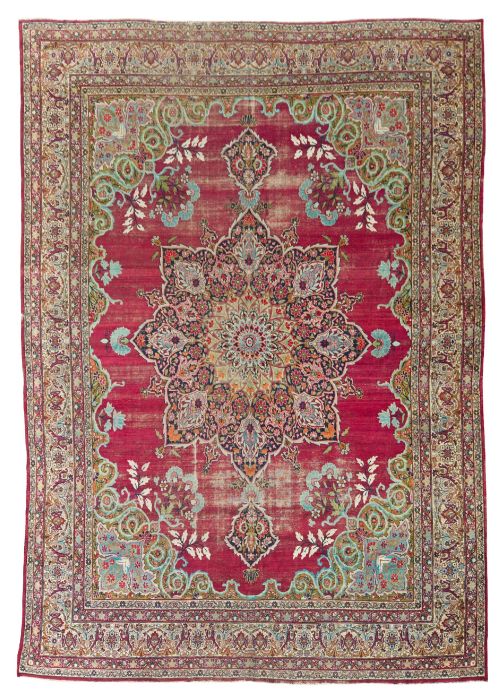
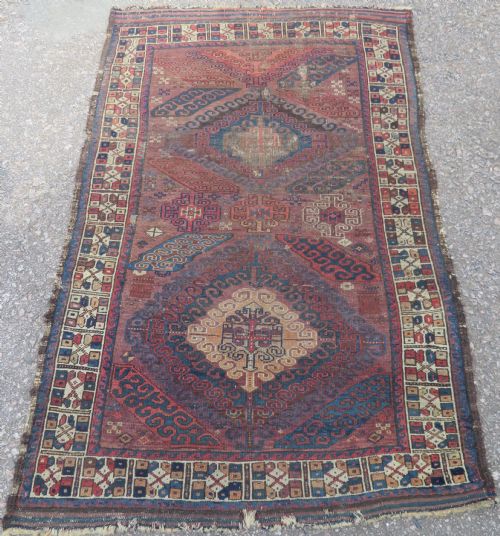
A fade red carpet brings softened centuries of wool and dye into a room, offering worn traditional Persian and tribal motifs.
Fade Red Carpet
When you search for a fade red carpet, you encounter floor coverings woven across Persia, Turkey, and Central Asia from the late nineteenth century onwards. These pieces span large carpets down to long runners and flat-woven kilims, each bearing the marks of age and sunlight.
The most common examples on this page are distressed antique carpets and runners from origins such as Kirman, Sarouk, Ushak, and Kashan. These regional types showcase traditional medallion patterns or repetitive field designs softened by time into muted crimson and rose tones.
Other variations include tribal rugs from Uzbek, Qashqai, and Khamseh workshops, alongside Ottoman Turkish long runners. Such pieces introduce varied geometric structures and multi-strip constructions while retaining that characteristic mellowed red palette.
Materials and construction
Weavers constructed these carpets predominantly using wool, occasionally incorporating cotton foundations and angora wool for softer piles. These natural fibres respond to decades of foot traffic and light by losing their original saturated brilliance.
Production methods range from city workshop knotted piles in Kirman and Kashan to tribal flat-woven kilims like the nine-strip Uzbek Suzani. Each technique dictates how the pile wears down and how the crimson dyes soften into dusty terracotta and pale pink hues.
Fade Red Carpet Retail Price Guide 2026
Typical asking prices for fade red carpet among the pieces listed under this phrase on Sellingantiques today, from the lower quarter to the upper quarter. They describe what is for sale here now, not the wider market.
Current listings feature pieces spanning the late nineteenth century through to the 1920s, utilising wool, cotton, and angora wool.
Factors of distinction
Quality rests upon the fineness of the knotting and the structural integrity of the foundation across wool and cotton. Pieces that maintain their structural stability despite heavy distressing represent superior durability.
Design clarity and regional authenticity also separate standard examples from finer works of art. A balanced composition by recognised weaving centres retains its aesthetic coherence even as the red tones fade.
The Fade Red Carpet Glossary
- Kilim
- A flat-woven carpet or rug produced without a pile. These pieces rely on tightly packed horizontal weft threads pulled across vertical warps to form sharp geometric patterns.
- Runner
- A long, narrow carpet format designed specifically for hallways, staircases, and corridors. These rugs measure significantly longer than they are wide.
- Medallion
- A large, central ornamental motif placed in the middle of the carpet field. This design element often anchors symmetrical floral or geometric layouts.
- Pile
- The upright yarn loops or cut ends that form the soft surface of a knotted carpet. Over decades, this layer wears down to create the characteristic distressed texture.
Fade Red Carpet: Frequently Asked Questions
Where should I place a long runner?
These narrow formats suit hallways, corridors, and long entryways where floor space restricts wider carpets. They soften footsteps and draw the eye along architectural paths.
Ensure you use an appropriate underlay to prevent slipping on smooth wooden or tiled floors. The low, distressed pile allows doors to swing freely over them in most domestic settings.
How do I care for antique wool rugs?
Vacuum gently without using a rotating brush bar to protect the aged fibres and weakened foundations. Professional cleaning tailored to antique textiles keeps the wool conditioned.
Keep these pieces away from direct, continuous strong sunlight to prevent uneven further fading. Rotate the rug occasionally to ensure balanced wear across high-traffic areas.
What causes the faded look?
Decades of exposure to natural light, gentle washing, and regular foot traffic soften the original plant and insect dyes. This gradual ageing process transforms bright reds into dusty rose, terracotta, and soft salmon tones.
Some contemporary or antique pieces also undergo deliberate distressing to achieve this mellowed aesthetic immediately. The natural wear, however, develops organically through long periods of domestic use.
How do I identify a tribal rug?
Tribal pieces often feature more geometric, idiosyncratic motifs rather than the precise floral curves found in city workshop carpets. They frequently display abrash, which is natural tonal variation in the dyed wool.
These rugs originate from nomadic or village groups such as the Qashqai, Khamseh, or Uzbek weavers. Their structures can include unusual constructions like multi-strip joins seen in specific kilims.