
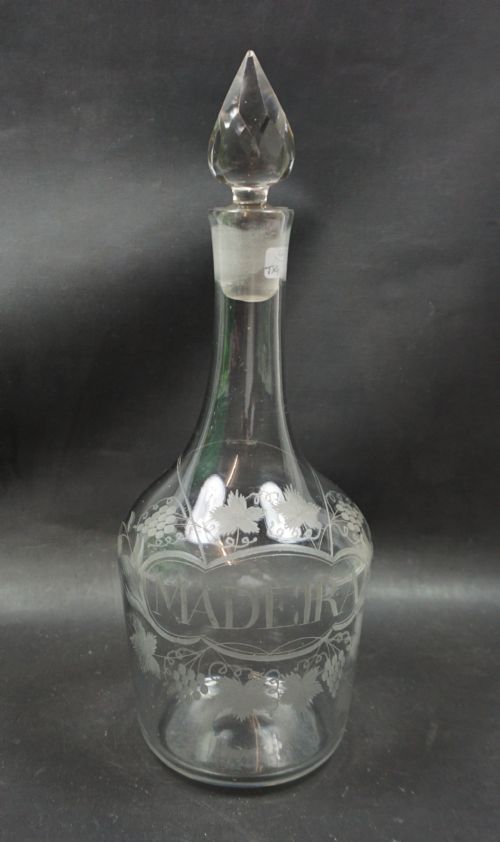


Faceted Crystal Stopper Decanter
These faceted crystal stopper decanters combine heavy glass and precise wheel-cut patterns to hold spirits safely on the dining table.
Faceted Crystal Stopper Decanter
When searching for a faceted crystal stopper decanter, buyers encounter vessels primarily from the Georgian, Victorian, and Edwardian eras, alongside pieces from the early twentieth century. Forms range from heavy shoulder decanters and bell shapes to pairs of barware bottles and locking spirits containers.
The most common examples on this page date from the Victorian and Edwardian periods, typically fashioned from lead crystal or clear cut glass. These everyday dining table pieces frequently feature matching faceted stoppers designed to seal spirits tightly.
Makers occasionally added sterling silver collars or locking mechanisms, as seen in examples by Betjemann Brothers and Hukin and Heath. Buyers also find smaller scent bottles and ewers functioning within the same decorative categories.
Materials and construction methods
Craftsmen shaped these vessels from heavy lead crystal and clear cut glass using traditional glassblowing techniques before applying cold-working methods. The material allowed artisans to grind deep geometric facets into the surface, creating sharp light reflections.
Metalwork components such as sterling silver collars and locking hardware were soldered or fitted directly to the glass necks. Stoppers were individually ground to fit each specific bottle neck, ensuring an airtight seal for stored spirits.
Several decanters include locking metal collars so Victorian hosts could hide the good whiskey from the household staff.
Determinants of quality
The precision and depth of the wheel-cut facets dictate the visual clarity and tactile weight of the vessel. Heavy lead crystal examples demonstrate greater brilliance and durability than lighter soda-glass alternatives.
Completeness alters the value, specifically matching original stoppers that share the exact facet pattern and tint of the body. Integrated silver hardware, such as hallmarked collars or functioning locks by known makers, elevates the status of a piece.
Betjemann Brothers·Hukin and Heath
The Faceted Crystal Stopper Decanter Glossary
- Faceted stopper
- A glass closure ground by hand to fit a specific decanter neck, featuring multiple flat polished planes that catch the light.
- Lead crystal
- Glass containing metallic oxide that increases weight, refractive index, and clarity, allowing for deeper and sharper cutting.
- Shoulder decanter
- A form characterised by a broad base rising to a distinct shoulder before tapering sharply toward the neck.
- Ewer
- A pitcher or jug with a large spout, often included alongside traditional decanters in glassware services.
- Sterling silver collar
- A band of high-purity silver fitted around the mouth of a decanter, sometimes bearing hallmarks and locking mechanisms.
Faceted Crystal Stopper Decanter: Frequently Asked Questions
How do I date an old decanter?
Dating relies on combining the silhouette style, the depth of the glass cutting, and any accompanying hallmarks on silver collars. Georgian pieces often display distinct pontil marks and heavier proportions compared to later Edwardian examples.
Changes in glass chemistry and stopper design across the nineteenth century also help narrow the manufacturing window. Comparing the bottle shape to documented period forms confirms the likely decade.
Are the stoppers original to the bottles?
Original stoppers share the exact glass tint, wear patterns, and facet geometry of the decanter body. Hand-ground stoppers were individually fitted to each neck during production.
Inspect the ground-in stem of the stopper for matching frosted friction marks. A correct fit sits flush and continues the cut pattern of the shoulder or neck.
What are locking decanters used for?
Locking decanters were used by Victorian and Edwardian households to restrict access to expensive spirits and wines. A sterling silver mechanism secured the stopper in place.
These pieces were typically kept in dining rooms or studies, with the key held only by the homeowner or butler. Makers such as Betjemann Brothers specialised in these secure mechanisms.
Can I use these decanters for serving spirits?
These vessels function well for serving whisky, port, and Madeira at the dining table. Heavy lead crystal safely holds alcoholic beverages for evening entertaining.
Care should be taken when washing antique glass to avoid thermal shock from hot water. Hand washing preserves both the crystal clarity and any fitted silver collars.