


Art Deco Glass Carafe
An art deco glass carafe brings geometric clarity to any table, combining period craftsmanship with striking form.
Art Deco Glass Carafe
When you search for an art deco glass carafe, you encounter distinct vessels designed for serving wine, spirits and liqueurs during the interwar years. These pieces draw from periods including the 1920s, 1930s, and Edwardian eras, uniting functional barware with the clean lines of the Art Deco style.
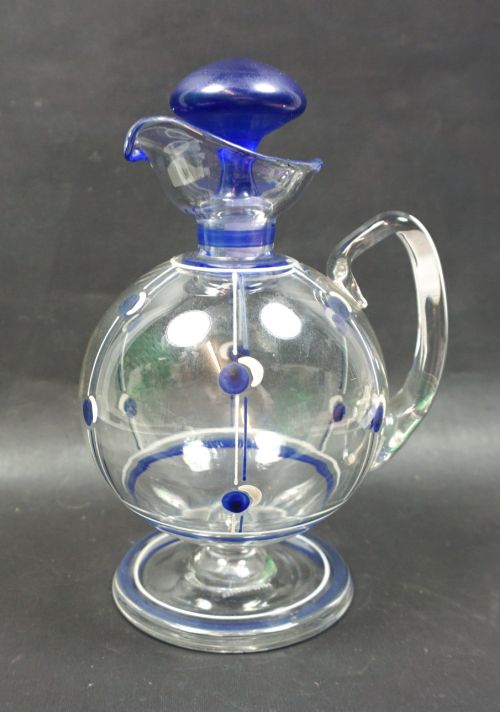
Forms vary from tall crystal wine jugs with blue enamel decoration to amber glass vessels banded with latticinio threads and silver-mounted glug glug decanters. Each option serves as a tangible record of period dining habits and aesthetic choices.
Materials and Technique
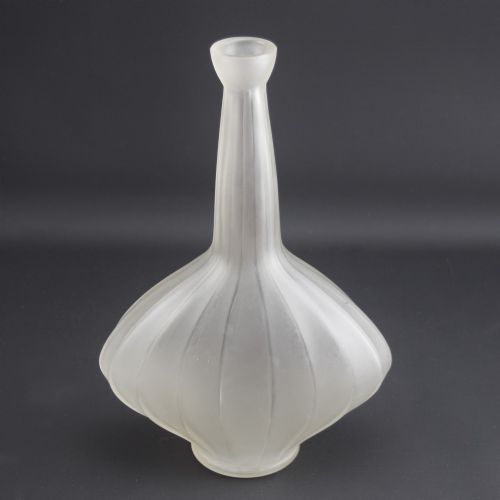
Makers utilised clear glass, crystal and frosted glass as the primary mediums for shaping bodies and stoppers, often employing cut crystal techniques to catch the light. Coloured glass in amber and blue tones provided striking visual contrast within the geometric designs.
Sterling silver mounts, collars and locking mechanisms were added by silversmiths to secure necks and pourers, while delicate blue enamel decoration applied directly to the surface introduced vibrant colour accents to the translucent material.
Distinguishing Quality
Quality rests upon the crispness of the glass cutting, the weight and clarity of the crystal, and the integration of metalwork with the glass body. Pieces produced by established makers demonstrate superior precision in their geometric proportions and surface ornamentation.
The presence of fully functioning sterling silver mounts, original matching stoppers, and intact enamel or latticinio details elevates an item. Condition of the delicate glass elements and the hallmarks on the silver components complete the distinction between standard vessels and finer examples.
Hukin and Heath·Rene Lalique·Val Saint Lambert·Pauly & Co.
The Art Deco Glass Carafe Glossary
- Glug glug decanters
- Decanters featuring a multiple-chambered neck that produces a gurgling sound when liquid is poured. This distinctive acoustic property comes from the internal constriction of the glass.
- Latticinio
- A glassmaking technique involving opaque white or coloured glass threads embedded within clear glass. It creates delicate linear patterns across the body of the vessel.
- Crystal
- Glass containing lead oxide, which increases weight, brilliance and refractive index. It allows for deeper, sharper cuts in the material.
- Claret jug
- A pouring vessel specifically designed for serving red wine. These often incorporate silver handles, spouts and hinged lids.
- Frosted glass
- Glass treated to achieve a matte, non-translucent surface texture. This finish is frequently utilised in period pieces to highlight moulded low-relief motifs.
Art Deco Glass Carafe: Frequently Asked Questions
What is a glug glug decanter?
A glug glug decanter is a specialised vessel with a pinched, multi-chambered neck designed to admit air in pulses as liquid flows out.
This clever internal construction produces a characteristic gurgling sound during pouring, which amused hosts and guests alike in period dining rooms.
How do I identify an authentic piece?
Authentic pieces display the characteristic geometric styling, material weight, and manufacturing techniques of the 1920s and 1930s. Look for period hallmarks on sterling silver mounts and signature marks from recognised glasshouses.
Examine the construction of the stopper and base to ensure the craftsmanship matches the expected period standards.
Can I use these for daily serving?
Many of these vessels remain entirely functional for serving wine, whisky or liqueurs at the modern table. Care must be taken with delicate elements such as enamel decoration or thin silver mounts during washing.
Hand washing in warm water preserves the clarity of the glass and protects the original metal components from harsh detergents.
What defines the style?
The style relies on symmetrical geometric forms, stylised floral or abstract motifs, and clean architectural lines. Makers embraced modern industrial aesthetics while retaining traditional glass-blowing and cutting skills.
The resulting objects balance strict decorative geometry with practical utility for the home bar.