

Fabric Wall Panel
A fabric wall panel brings tactile depth and rich pattern to a room, offering centuries of textile artistry ready to hang.
Fabric Wall Panel
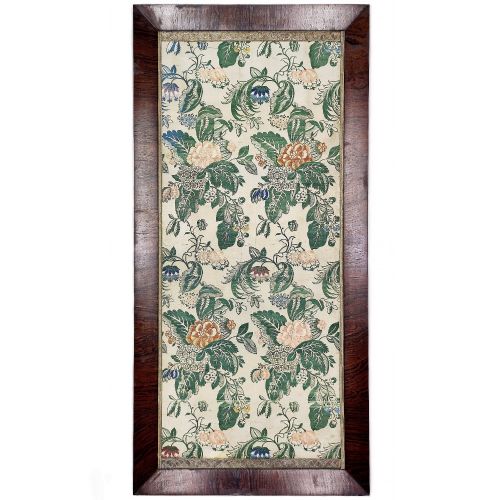
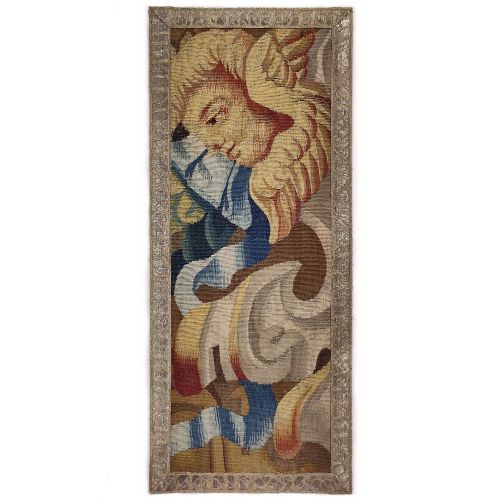
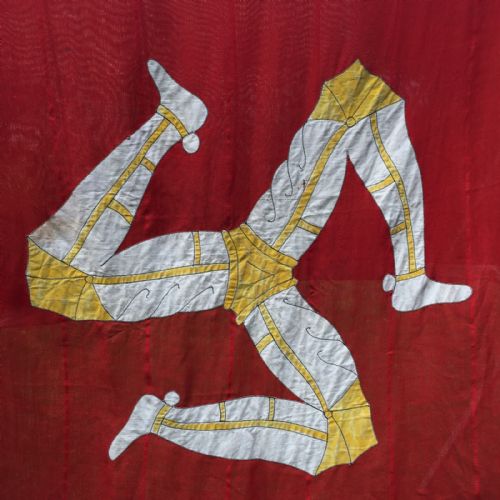
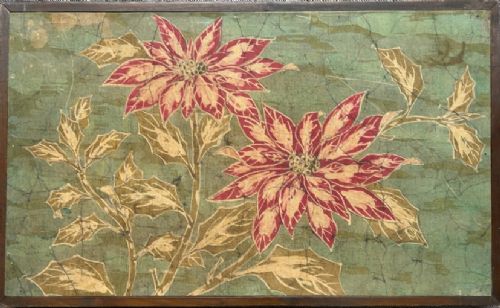
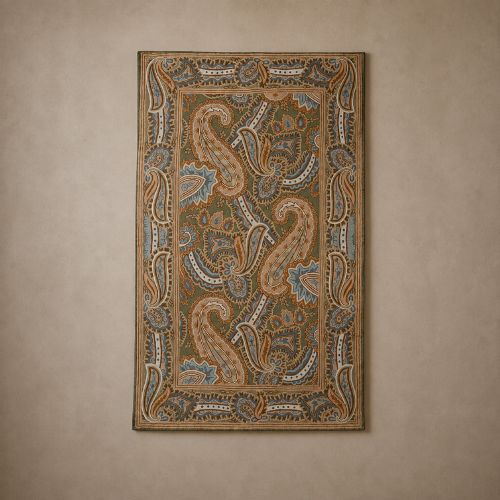
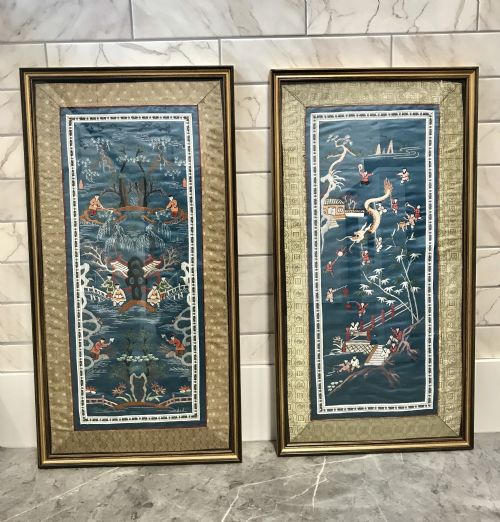
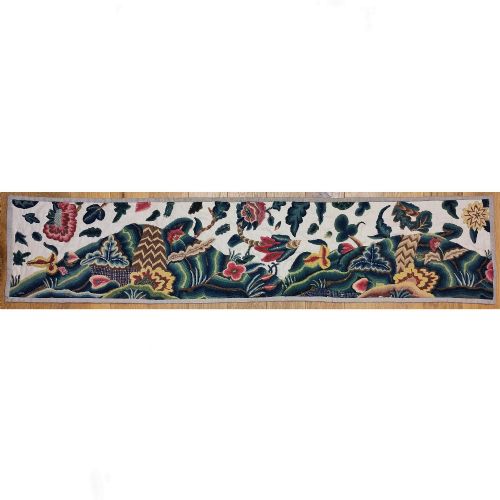
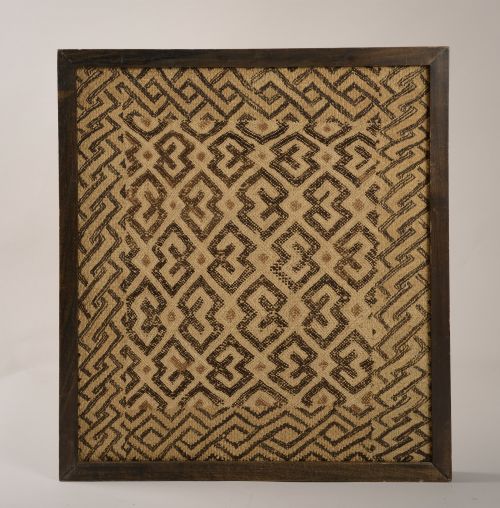
When you search for a fabric wall panel, you encounter a diverse array of textile art spanning from the seventeenth century to the mid-twentieth century. These pieces encompass framed embroideries, woven tapestries, block-printed cloths, and large embroidered panels designed specifically for vertical display.
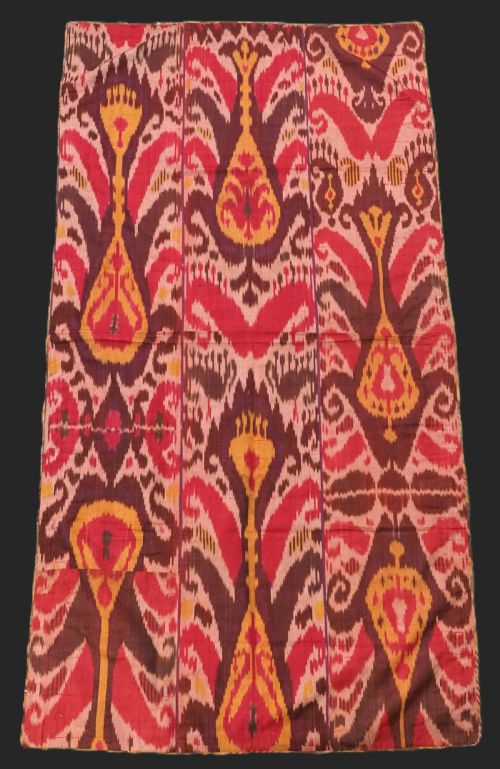
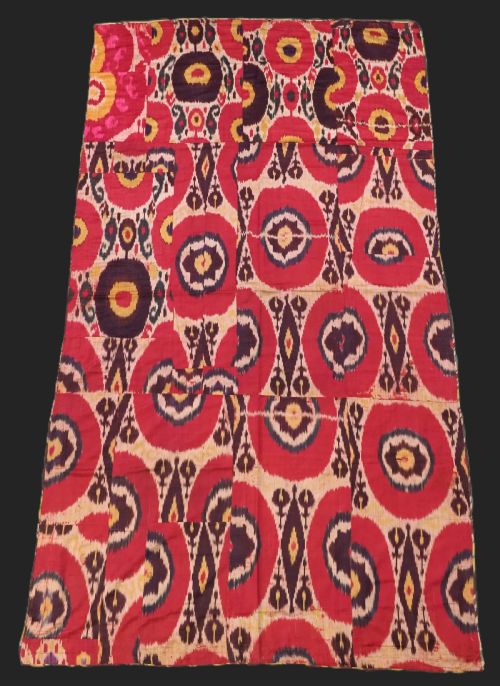
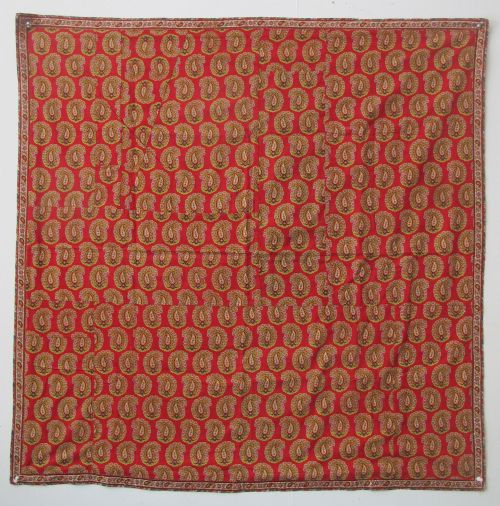
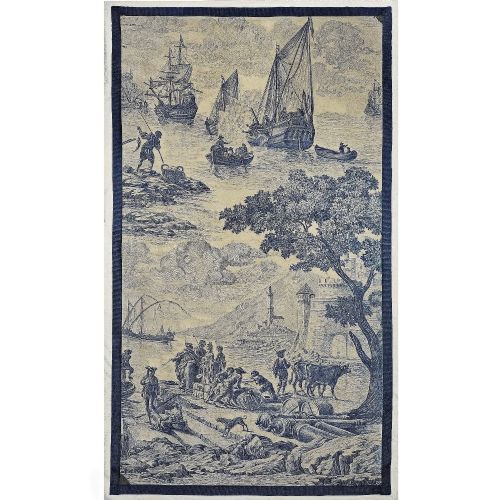
Geographic origins vary widely across the inventory, stretching from English crewelwork and French woven panels to Uzbek silk adras and Persian block-printed textiles. Buyers encounter both monumental wall coverings and smaller decorative fragments suited for diverse interior spaces.
How they were made
Maker techniques rely heavily on traditional handwork, utilising natural dyes, block-printing, and meticulous needlecraft such as crewelwork and silk embroidery. Silk, cotton, wool, linen, and velvet provide the primary grounds for these labours.
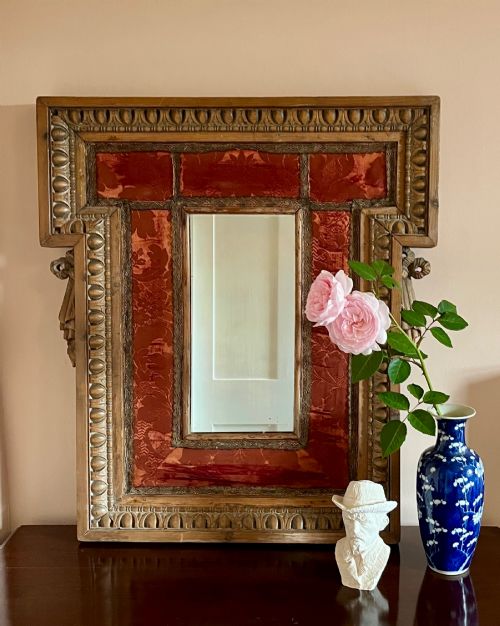
Many items combine structural textiles with specialised surface treatments, including ciselé silk velvet and hand-sewn figures or architectural motifs under glass. Artisans employed complex weaving looms for tapestries alongside resist-dyeing methods for ikats.
Fabric Wall Panel Retail Price Guide 2026
Typical asking prices for fabric wall panel among the pieces listed under this phrase on Sellingantiques today, from the lower quarter to the upper quarter. They describe what is for sale here now, not the wider market.
Listings incorporate silk, cotton, wool, linen, velvet, and natural dyes across periods ranging from the seventeenth century to the mid-twentieth century.
What varies in quality
Quality rests upon the density and precision of the handwork, the complexity of the design, and the survival of the original textile ground. Finely executed needlework and sharply defined ikat patterns distinguish superior examples.
The integrity of the material and the vibrancy of natural dyes significantly influence the character of each piece. Intricate compositions with well-preserved silk or wool fibres represent the higher tier of these works.
The Fabric Wall Panel Glossary
- Suzani
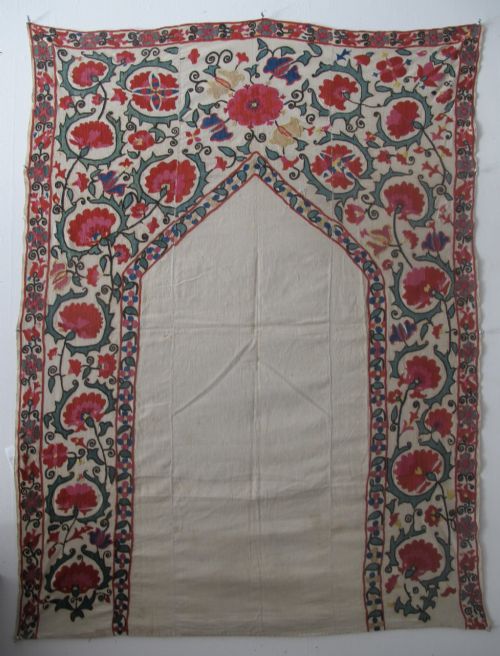
- An embroidered tribal textile from Central Asia, traditionally worked in silk on a cotton or linen ground. These panels often display bold floral and geometric designs.
- Ikat
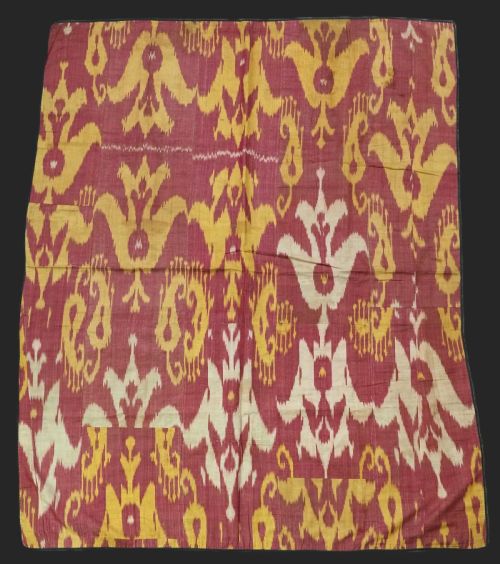
- A dyeing technique where yarn is resist-dyed prior to weaving, producing characteristic feathered pattern edges. Uzbek panels frequently utilise this method.
- Crewelwork
- A type of embroidery using wool thread on a plain-weave foundation fabric. Early English examples often depict stylised floral and fauna motifs.
- Ciselé velvet
- A velvet fabric where parts of the pile are cut while other loops remain uncut to create a pattern. It appears frequently in eighteenth-century European hangings.
- Palampore
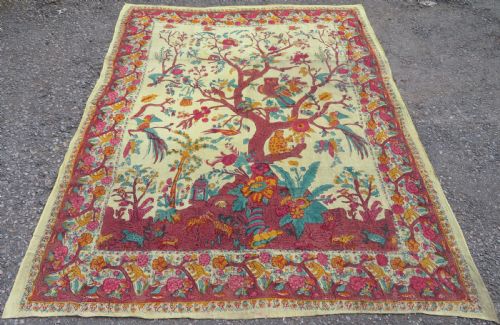
- A large hand-painted and mordant-printed bed cover or hanging of Indian origin. These pieces typically showcase elaborate tree-of-life designs.
Fabric Wall Panel: Frequently Asked Questions
How do I hang a textile panel safely?
Most textile panels require custom mounting to distribute weight evenly across the fabric without causing strain. Conservation framing behind glass suits delicate silks and embroideries.
Larger tapestries and heavier rugs often utilise a sleeve sewn to the reverse, through which a flat wooden baton or metal rod is slid for wall attachment.
How should I clean an antique fabric panel?
Antique textiles demand gentle care and tolerate water washing poorly due to historic threads and natural dyes. Surface dust is best removed very cautiously using low suction through a mesh screen.
Professional textile conservators should handle any deeper cleaning or stain removal to prevent irreversible damage to fragile fibres.
What is the difference between a suzan and an ikat?
A suzani is an embroidered textile featuring needlework applied by hand onto a woven ground. Common motifs include large floral discs and architectural elements.
An ikat is defined by the dyeing of the threads before the weaving process even begins. This creates a distinctive, slightly blurred pattern edge unique to the loom.
Can these panels be exposed to direct sunlight?
Direct sunlight accelerates the fading of natural dyes and weakens organic fibres such as silk, wool, and cotton over time. Placing panels away from bright windows preserves their colour intensity.
UV-filtering glass provides an extra layer of protection for framed needleworks and delicate textile art.