


Extended Drop Leaf Table
An extended drop leaf table offers a clever way to seat guests in comfort while saving floor space between meals.
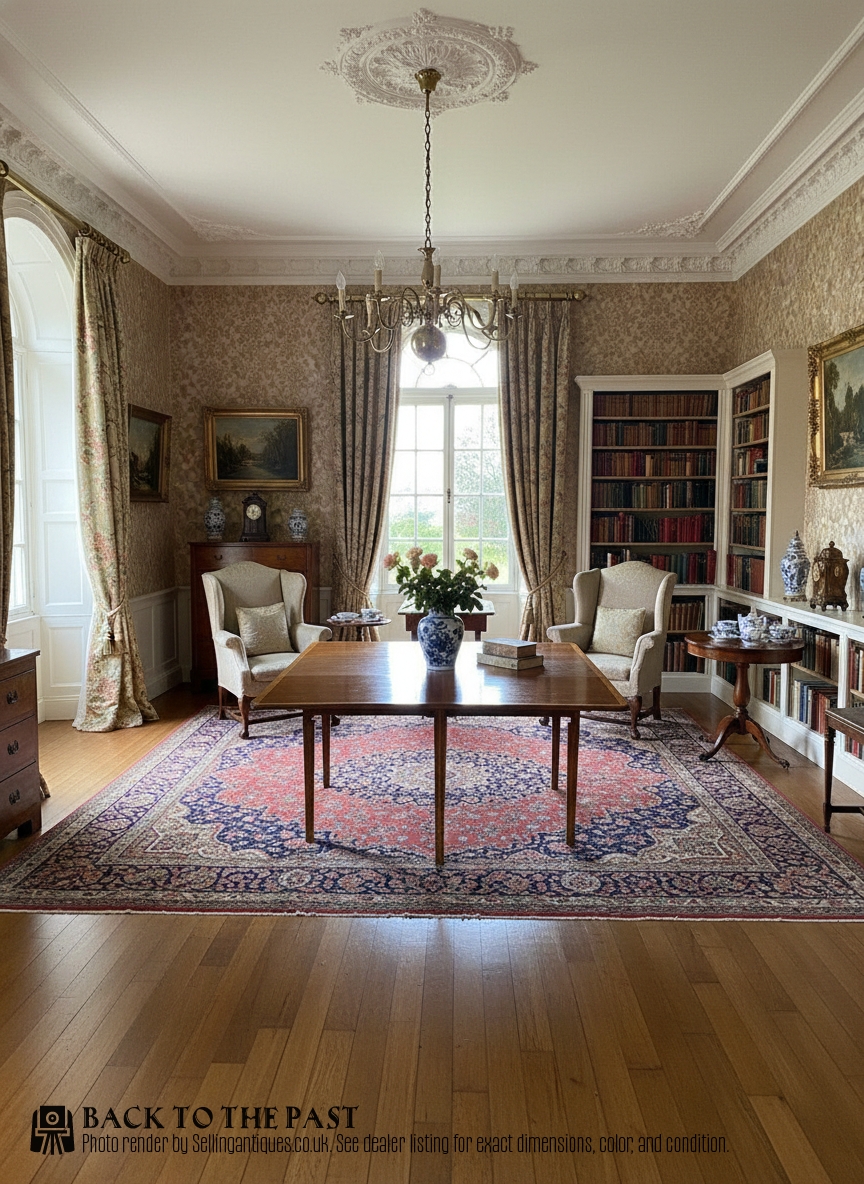
Extended Drop Leaf Table
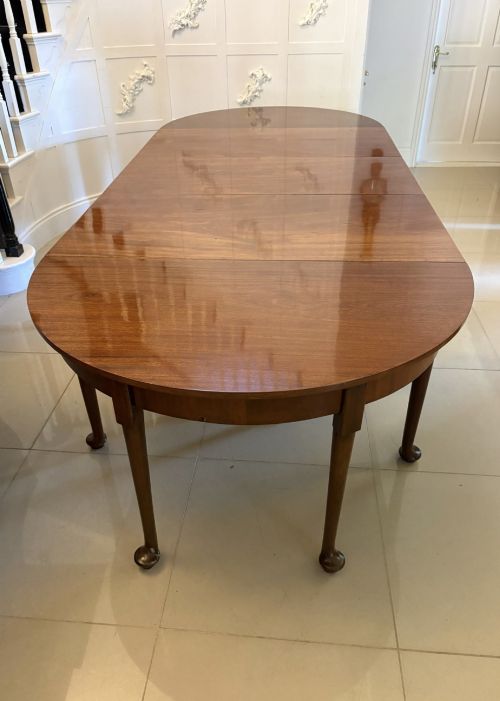
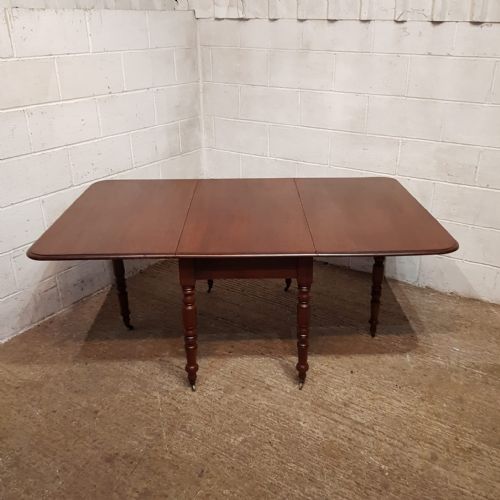
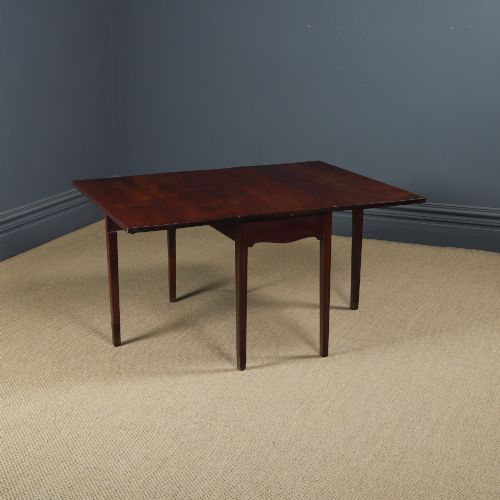
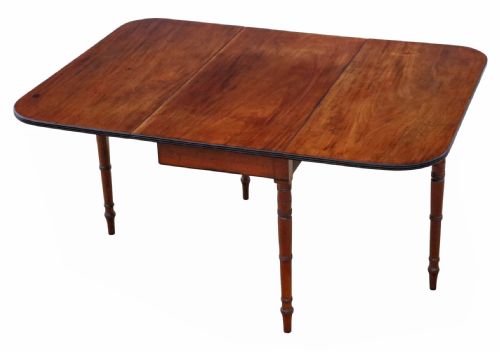
An extended drop leaf table provides adaptable dining space through hinged flaps that lower when not in use. The examples found here span the eighteenth, nineteenth, and early twentieth centuries, encompassing Georgian, Regency, and Victorian periods.
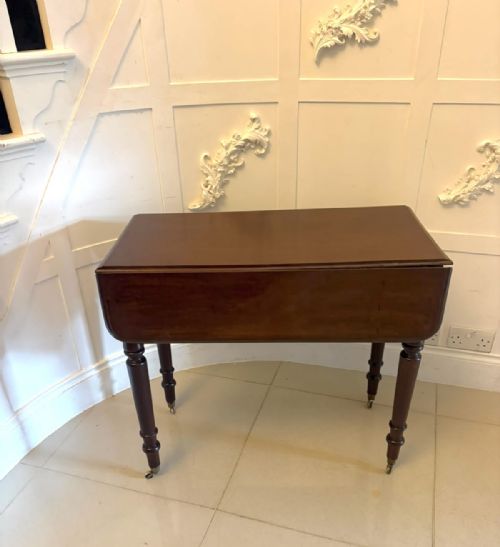
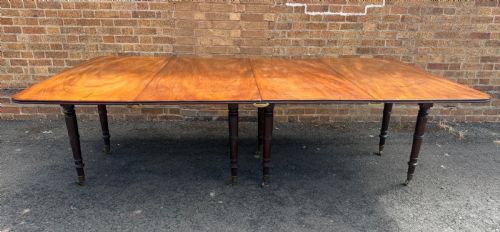
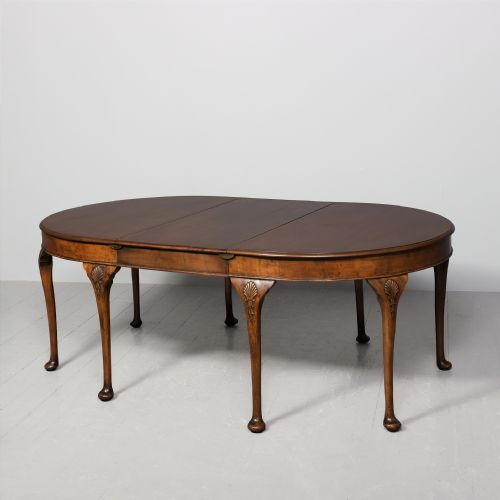
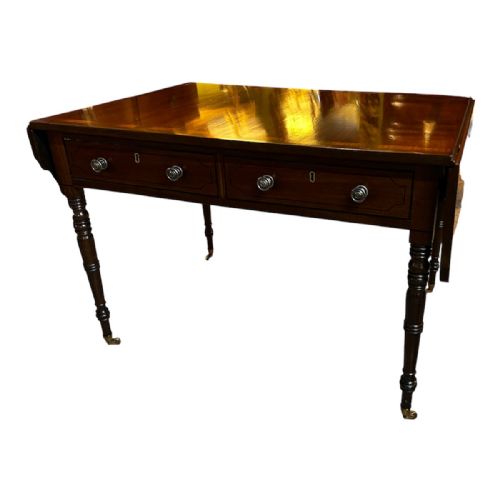
Most pieces on this page appear in mahogany, alongside oak, walnut, rosewood, and pine. Formats range from Pembroke and sofa tables to large gateleg dining tables and D-end configurations designed to accommodate multiple diners.
Buyers encounter versatile designs ranging from rustic farmhouse gateleg tables to restrained Regency dining surfaces and French Empire side tables with marquetry inlay.
Materials and construction
Cabinet makers utilised dense timber such as mahogany and oak to build sturdy frames capable of supporting hinged leaves over extended spans. Solid woods and selected veneers provide the primary surfaces, often enhanced with brass fittings and hinges.
Gateleg and drop leaf mechanisms rely on pivoted legs or swing brackets to bear the weight of the raised flaps. Joinery techniques from the Georgian and Victorian eras ensure the stability of the central frame when additional leaves or leaves are deployed.
Listings feature mahogany, oak, walnut, rosewood, and pine across Georgian, Regency, and Victorian periods.
Judging the execution
The standard of timber selection and figure sets the finest examples apart from standard utility pieces. Cabinet makers who matched mahogany grains across the leaves and centre created a cohesive visual surface when fully extended.
The precision of the pivot mechanism and the rigidity of the leg supports determine daily utility. High-grade items maintain firm joints and smooth flap action without sagging at the joints over time.
Gillows
The Extended Drop Leaf Table Glossary
- Drop leaf table
- A table with a fixed centre section and hinged flaps that fold down to reduce the footprint. These surfaces expand quickly to accommodate dining or working needs.
- Gateleg table
- A table supported by swing-out legs that resemble a gate to hold the drop leaves upright. This construction provides robust support beneath extended timber flaps.
- Pembroke table
- A small rectangular table with narrow drop leaves on opposite sides, usually fitted with one or more drawers. They originated in the eighteenth century as breakfast or occasional tables.
- D-end table
- A dining table format featuring semicircular ends that detach or separate, often used in conjunction with drop leaf or centre sections to extend length. This configuration allows flexible room arrangements.
- Sofa table
- A narrow occasional table designed to stand in front of or beside a sofa, frequently featuring drop leaves and pedestal or end-support bases. Regency examples often incorporate rosewood and brass details.
Extended Drop Leaf Table: Frequently Asked Questions
How do I support the leaves?
Most drop leaf tables utilise a swing-out leg, known as a gateleg, or a pivoted wooden bracket that rotates from the central frame to lock beneath the flap.
Ensure this support sits squarely on the floor to distribute weight evenly across the joint.
Can these seat large groups?
Many examples, particularly larger Georgian and Victorian gateleg or D-end designs, expand to seat eight, twelve, or more diners when fully opened.
Additional leaves and broad flaps provide the necessary surface area for large gatherings.
Where should I place it?
These tables suit dining rooms, kitchens, and living spaces where floor area changes according to the occasion. With both leaves dropped, they function as side tables or console surfaces against a wall.
Opening one or both flaps prepares the room for dining.
How do I date the period?
Cabinet construction, timber choice, and leg styling offer clear indicators of age, from seventeenth-century oak gatelegs to nineteenth-century mahogany Pembroke tables. Georgian and Regency pieces typically show slender proportions and refined timber grain.
Later Victorian and early twentieth-century versions often display heavier framing or revival styles.