

Extendable Table with Leaves
An extendable table with leaves offers adaptable dining space, moving smoothly from intimate family meals to large gatherings with clever inserted leaves.
Extendable Table with Leaves
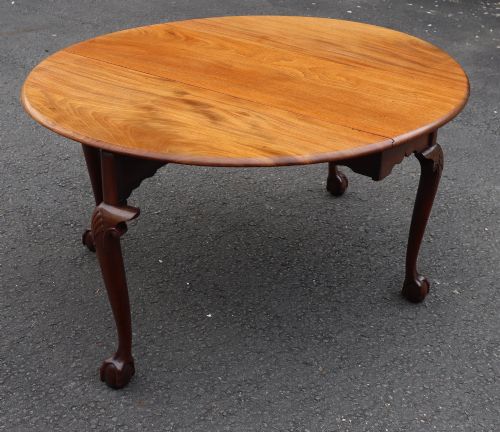
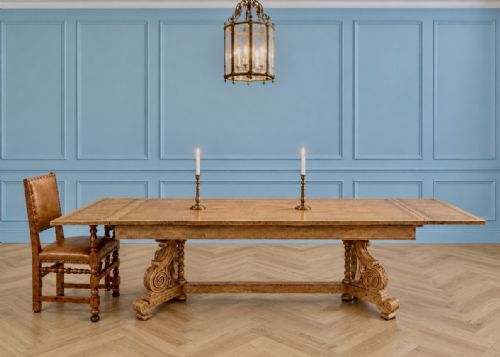
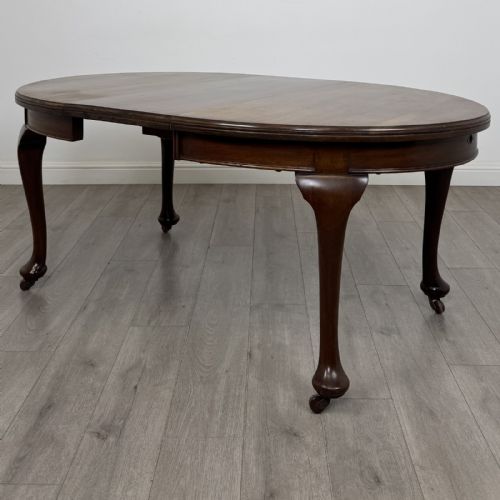
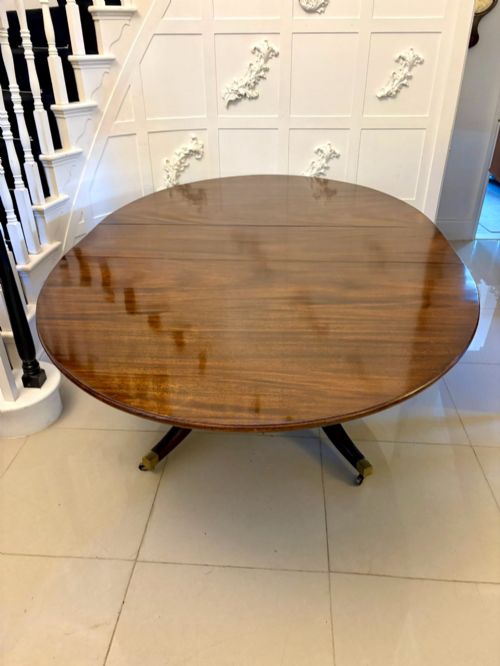
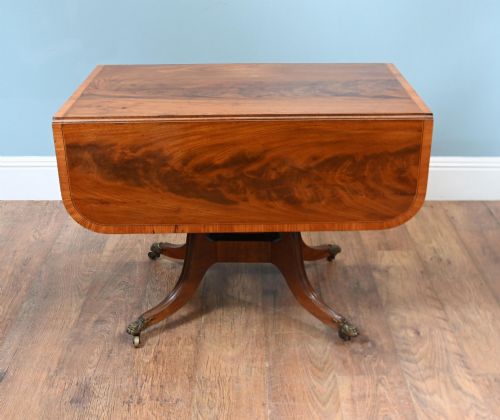
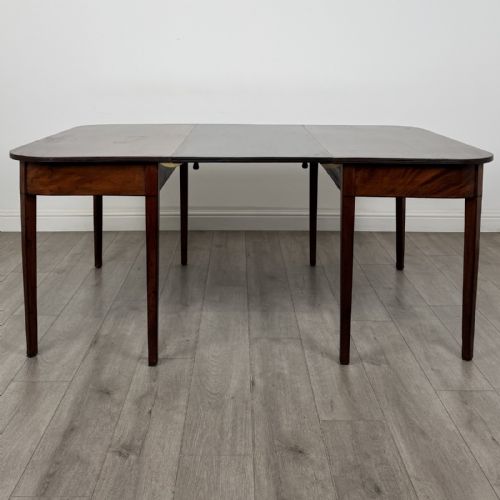
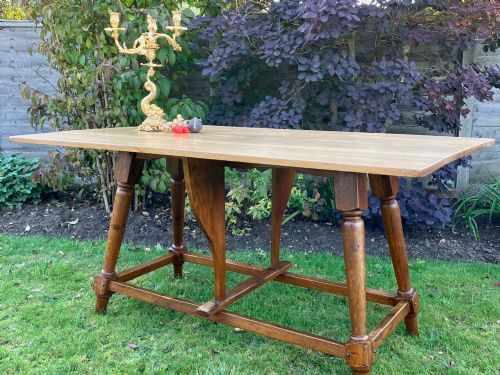
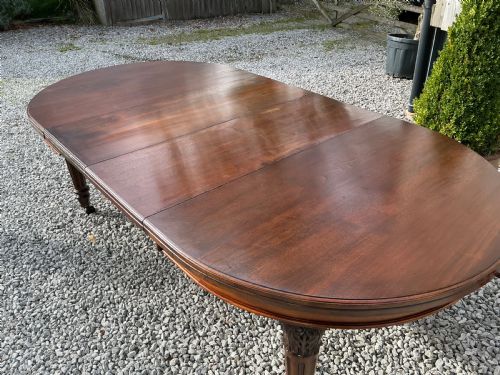
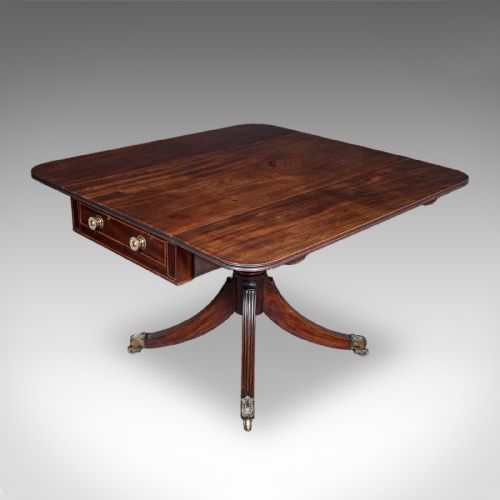
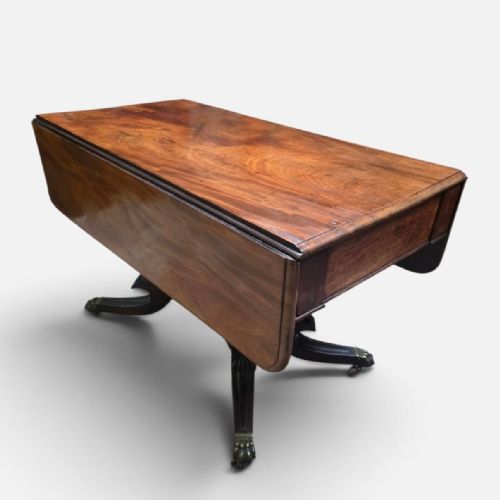
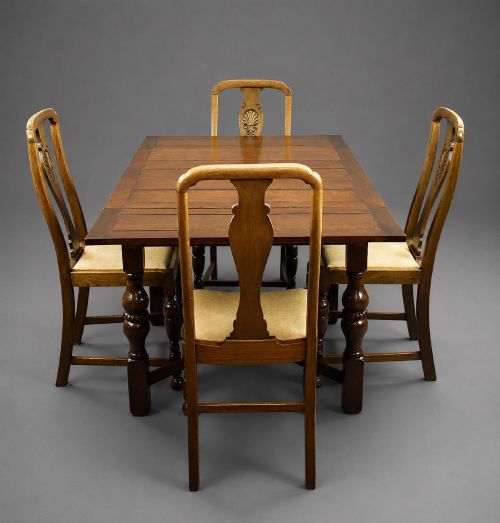
An extendable table with leaves provides versatile surface area through clever mechanical additions, allowing the overall length to grow or shrink depending on the occasion. When searching for an extendable table with leaves, buyers encounter a variety of period forms including robust oak gateleg designs, twin-pillar dining tables, and drop-leaf formats from the Georgian, Regency, and Victorian eras.
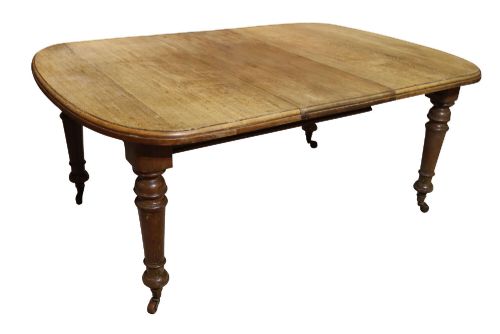
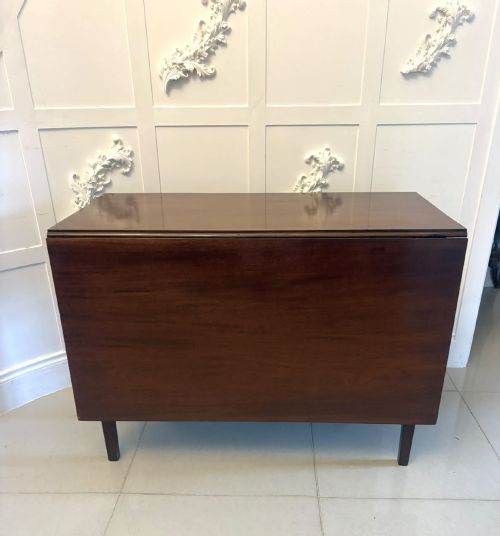
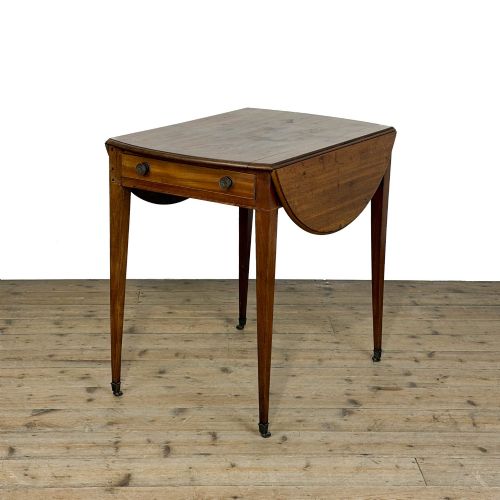
The majority of pieces met on this page span the Georgian, Regency, and Victorian periods, alongside Edwardian and early twentieth-century examples. Dining tables form the primary object type, frequently supplemented by Pembroke and drop-leaf variations constructed from timbers such as mahogany, oak, walnut, and cherry.
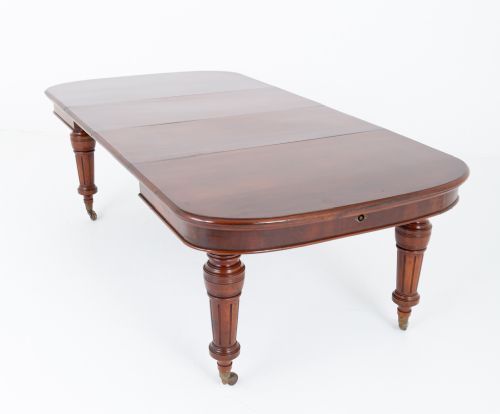
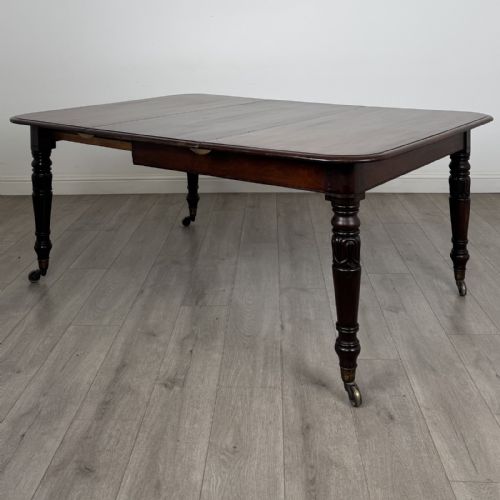
Makers and cabinetmakers engineered these tables to handle multiple extra leaves, sometimes accommodating large seating capacities for twelve or even twenty-four guests. The integration of brass castors and pull-out mechanisms ensures the heavier mahogany and oak frames remain functional and movable.
What varies in quality
The sophistication of the timber selection and the precision of the extension mechanism dictate the grade of the piece, separating standard utility furniture from exceptional cabinet work. Mahogany figures with rich grain patterns and original brass hardware elevate a table well above simpler iterations.
The structural integrity of the extra leaves and how cleanly they match the main table top in colour and grain define the execution of the design. Seamless transitions between the primary sections and the supplementary leaves reflect superior workshop competence.
Extendable Table with Leaves Retail Price Guide 2026
Typical asking prices for extendable table with leaves among the pieces listed under this phrase on Sellingantiques today, from the lower quarter to the upper quarter. They describe what is for sale here now, not the wider market.
Listings feature mahogany, oak, walnut, cherry, satinwood, and ebony across Georgian, Regency, Victorian, and Edwardian periods.
The Extendable Table with Leaves Glossary
- D-End
- A table end shaped in a semi-circle resembling the letter D, often used in modular dining suites to form rounded ends when closed.
- Gateleg Table
- A table featuring hinged legs that swing outward to support folding leaves on either side.
- Drop-Leaf Table
- A table with a fixed centre section and hinged flaps that drop down when not in use.
- Draw Leaf
- An extension system where secondary leaves stored beneath the main top pull out smoothly from either end.
- Twin-Pillar
- A support configuration utilising two central pedestals, usually with splayed legs and brass castors, to bear the weight of a long top.
Extendable Table with Leaves: Frequently Asked Questions
How do extra leaves work?
Extra leaves drop into the centre of the table when the frame is pulled apart on wooden runners or mechanical slides.
Securing pins or brackets often hold the inserted sections firmly in place to create a level surface.
Can I seat twelve people?
Larger dining tables from the Regency and Victorian eras easily accommodate twelve or more guests when fitted with multiple extra leaves.
Checking the maximum extended length and leg clearance helps confirm seating capacity.
Are drop-leaf tables extendable?
Certain drop-leaf and gateleg formats provide surface space through folding flaps rather than removable centre leaves.
Other examples combine drop-leaf ends with pull-out mechanisms to further increase the overall length.
Which woods are most common?
Mahogany and oak dominate the surviving examples across the Georgian, Victorian, and Edwardian periods.
Walnut, cherry, and satinwood also appear as primary timbers or decorative veneers.