

Expressionist Painting
Expressionist painting captures raw emotional force through distorted forms and bold pigments, offering an intense psychological window into the twentieth century.
Expressionist Painting
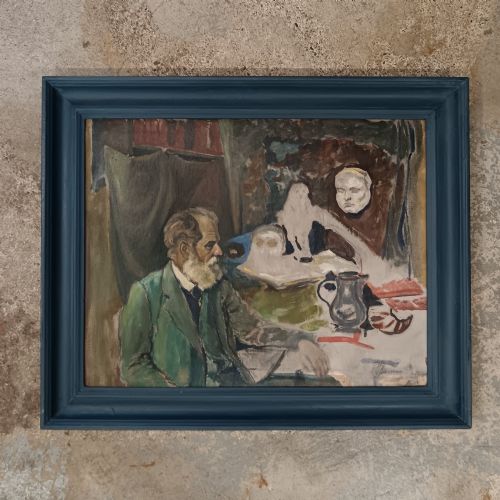
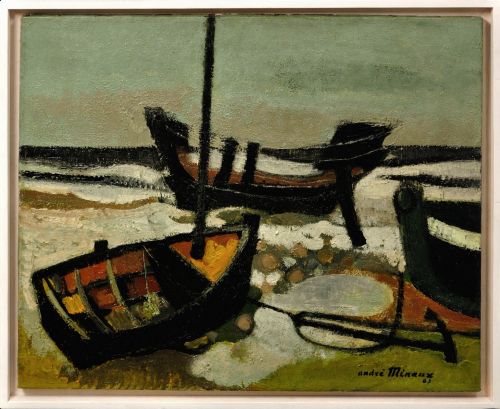
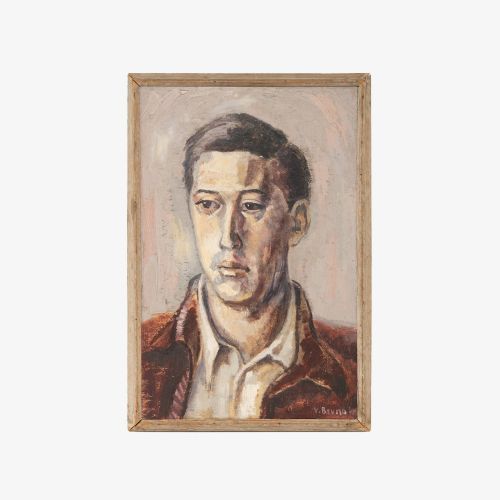
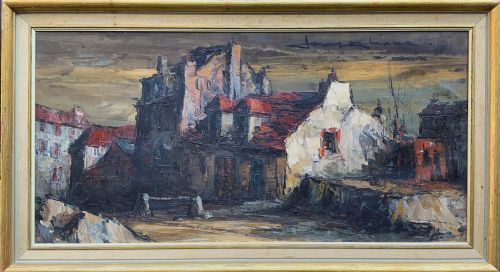
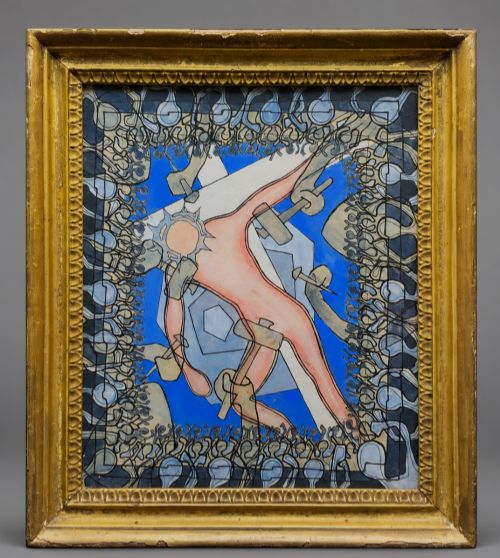
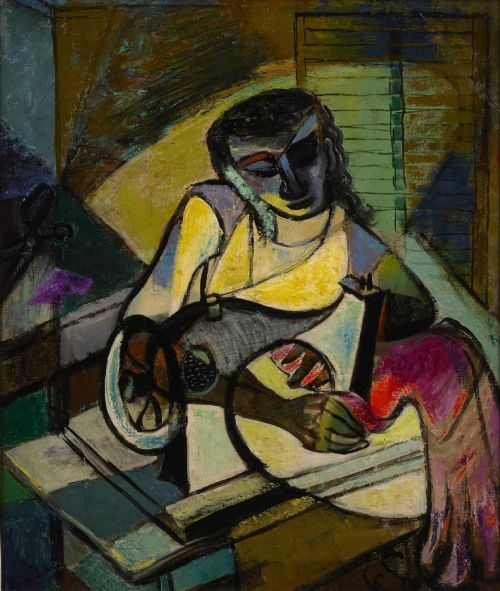
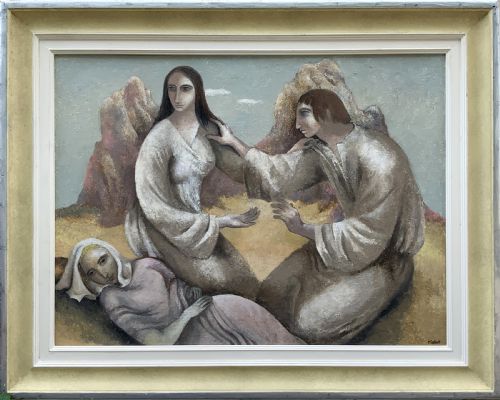
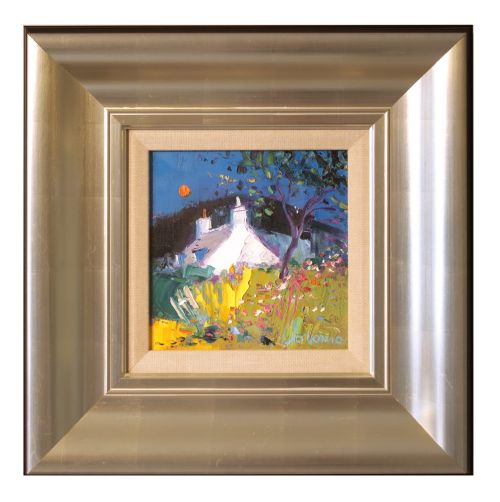
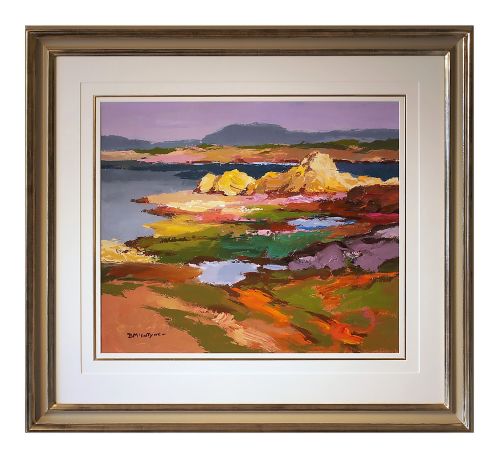
An expressionist painting brings together dramatic brushwork and emotive colour palettes to prioritise subjective feeling over literal representation. When exploring this phrase, buyers encounter works that bridge early twentieth-century avant-garde movements and mid-century modernism.
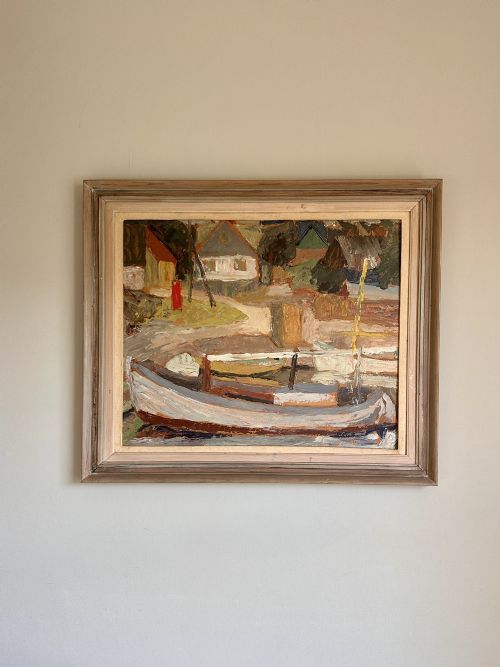
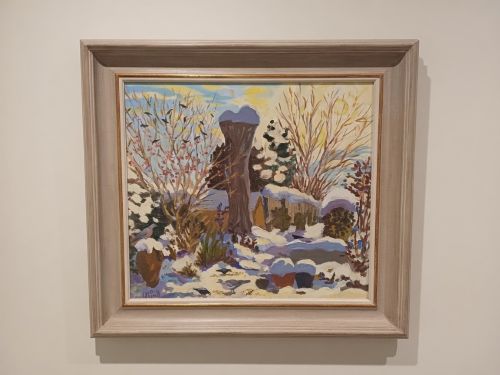
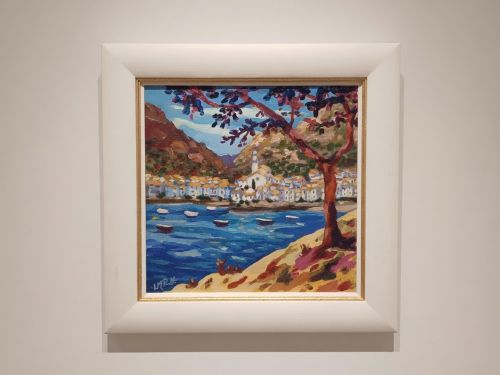
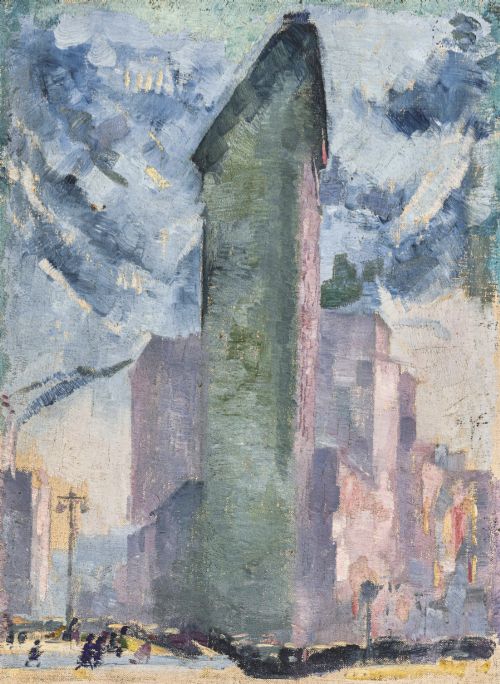
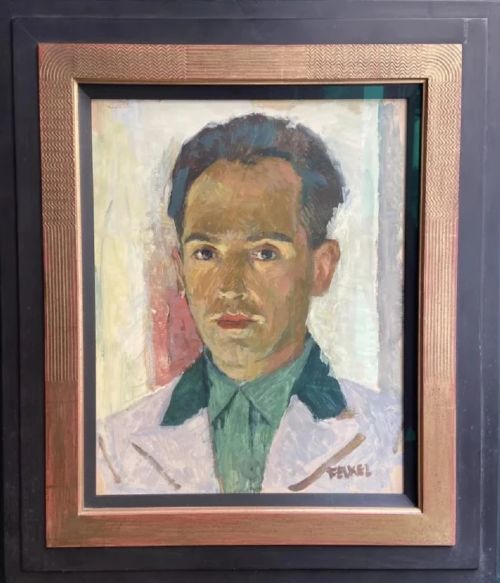
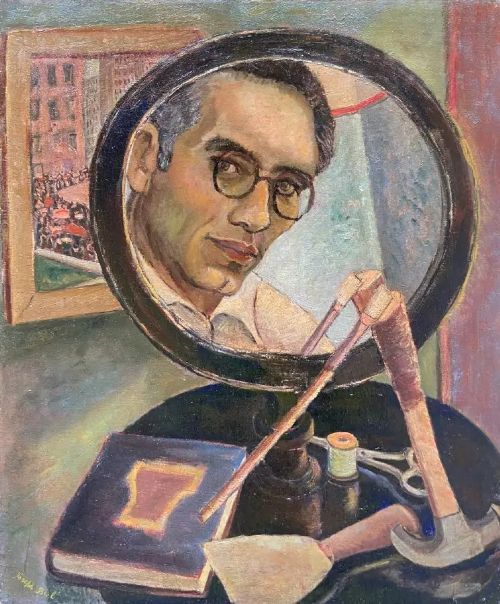
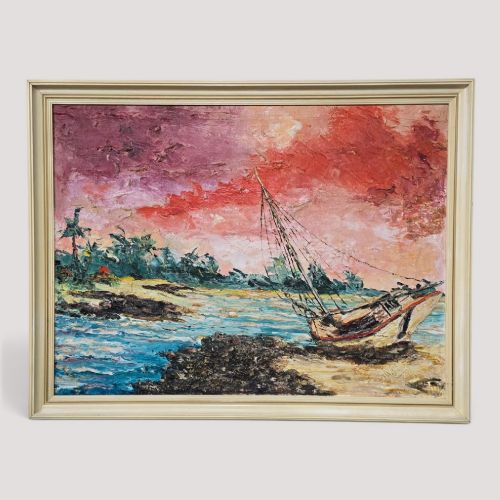
The selections span portraiture, maritime scenes, equestrian subjects, and urban landscapes executed across multiple decades. Pieces range from intimate sketches on paper to large-scale works on canvas and board.
Drawn from diverse European and British traditions, these paintings capture the shifting artistic concerns from the nineteen-tens through the post-war period. They reflect both individual artistic explorations and broader historical responses to conflict and change.
Materials and technique
Artists apply oil paint, gouache, and watercolour across traditional supports including canvas, wood panel, paper, and board. The physical handling of the medium is central to the aesthetic.
Heavy impasto techniques build thick, tactile surfaces where the marks of the brush or palette knife remain visible. This physical layering reinforces the emotional intensity of the composition.
Expressionist Painting Retail Price Guide 2026
Typical asking prices for expressionist painting among the pieces listed under this phrase on Sellingantiques today, from the lower quarter to the upper quarter. They describe what is for sale here now, not the wider market.
Listings feature works spanning from the nineteenth century through the nineteen-sixties, utilising oil, gouache, and watercolour on canvas, paper, and board.
Judging quality and impact
The strength of a composition rests on the confidence of the brushwork and the clarity of the psychological engagement. Successful works maintain tension between line and pigment without losing structural cohesion.
Provenance and documented exhibition histories distinguish significant pieces from anonymous studio output. The authority of the artist's hand dictates the enduring appeal and historical weight of the piece.
Lucy Pratt·Carl Felkel·Joseph Biel·Alfred Wolmark·Lena Gurr·Christine Nesbit·Donald McIntyre·John Lowrie Morrison·Lilian Colbourn·Gen Paul·Olga Choumansky·Joan Gillchrest·Tony Giles·Elisabeth Frink·Hazel Barnett·Gaetan Dumas·Gabriel Dauchot·Mercedes Legrand·Baruch Shalom Oskotsky·Hein Hoppmann·Leon Kossoff·Derek Latimer Sayer
The Expressionist Painting Glossary
- Impasto
- Paint applied thickly to a canvas or board, standing out in relief from the surface. This technique creates a textured, sculptural quality that catches the light.
- Avant-garde
- New and experimental ideas in art, pushing the boundaries of traditional forms. These works often challenge established academic conventions.
- Fauvism
- An early twentieth-century style characterised by strong colours and painterly qualities rather than realistic values. Practitioners utilised bold, unnatural hues to convey emotional states.
- Gouache
- An opaque water-based paint that dries to a matte finish. It allows for vibrant, solid blocks of colour on paper supports.
Expressionist Painting: Frequently Asked Questions
What defines an expressionist painting?
An expressionist painting prioritises internal emotional experience over external visual accuracy. Artists utilise distorted perspectives, exaggerated forms, and heavy brushwork to communicate psychological depth.
The resulting works often discard traditional rules of proportion and naturalistic colour in favour of immediate impact. This approach allows the creator to externalise anxiety, joy, or isolation directly onto the canvas.
How should I care for oil on canvas?
Oil paintings require stable indoor environments away from direct sunlight and extreme temperature fluctuations. Canvas supports can sag or become brittle if exposed to damp conditions over time.
Dust the surface gently with a soft, dry brush without applying pressure. Avoid using liquid cleaners or chemical solvents on the painted surface.
What is impasto?
Impasto is a technique where paint is laid on a surface in very thick layers, usually thick enough that the brush or palette knife strokes are visible. When dry, paint retains texture and catches light.
This method adds a distinct three-dimensional quality to two-dimensional artworks. It enhances the tactile presence of the medium.
How do I date mid-century paintings?
Dating relies on stylistic markers, framing conventions, artist signatures, and archival exhibition records. Mid-century works often reflect specific post-war aesthetic shifts and material availability.
Inscriptions on the reverse of the canvas or board frequently provide precise dates and titles. Comparing stylistic evolution across a known career helps narrow the period of creation.