

Expressionist Oil Artwork
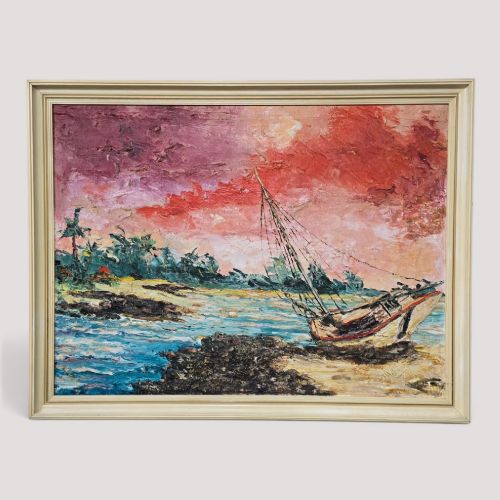
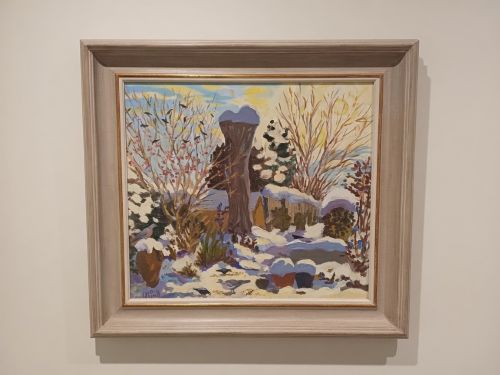
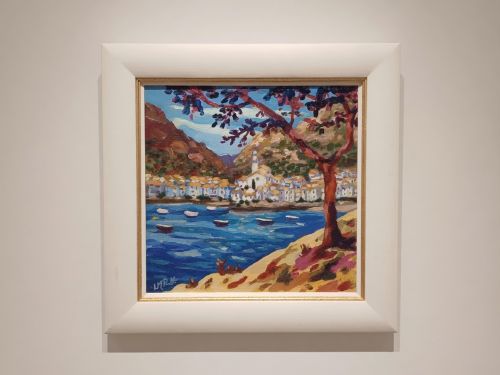
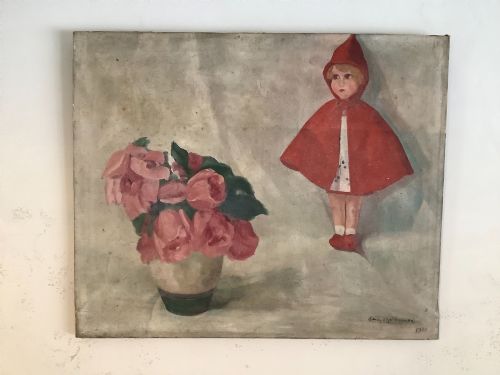
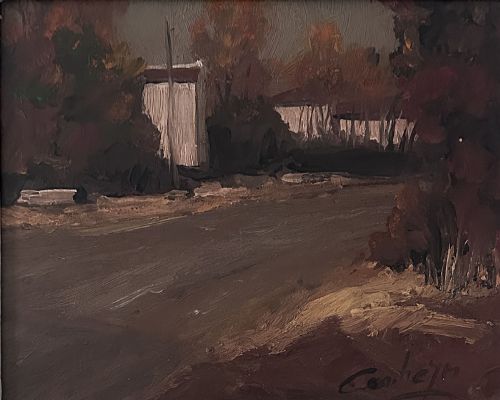
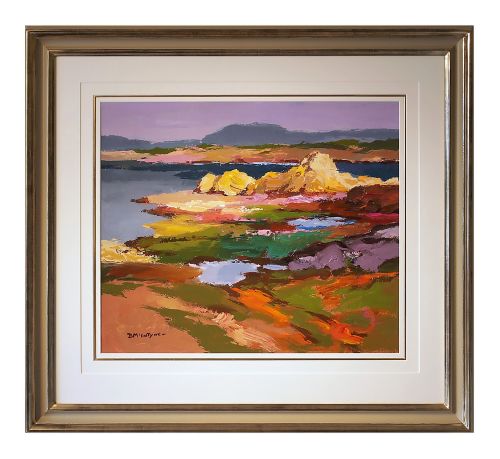
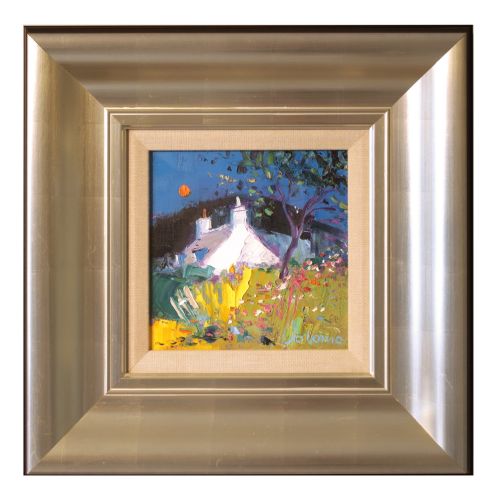
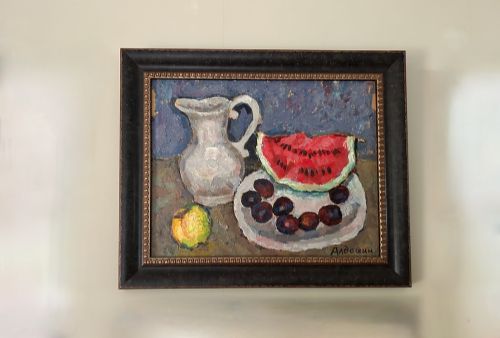
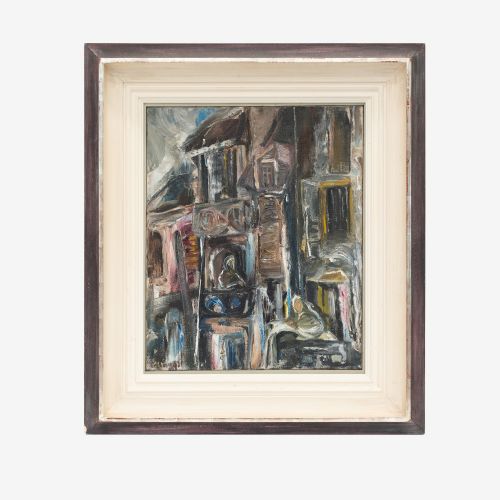
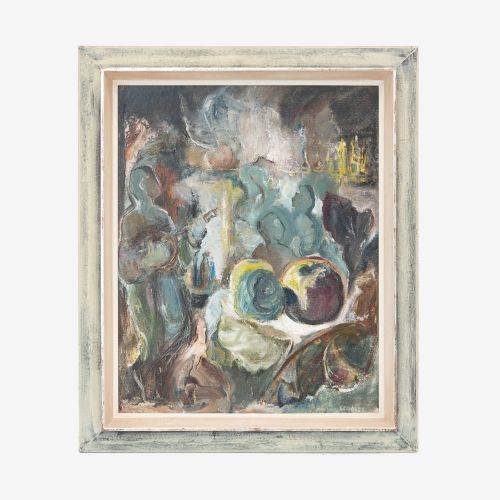
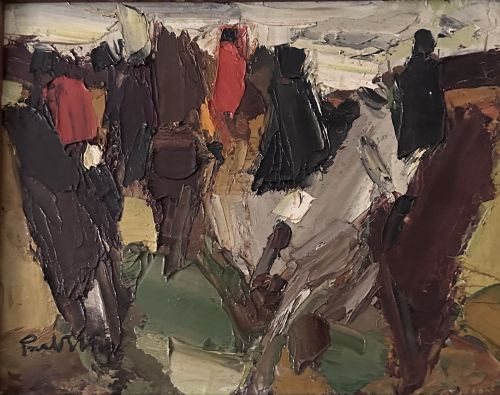
Expressionist oil artwork captures raw emotional intensity through bold brushwork and vibrant pigments.
Expressionist Oil Artwork
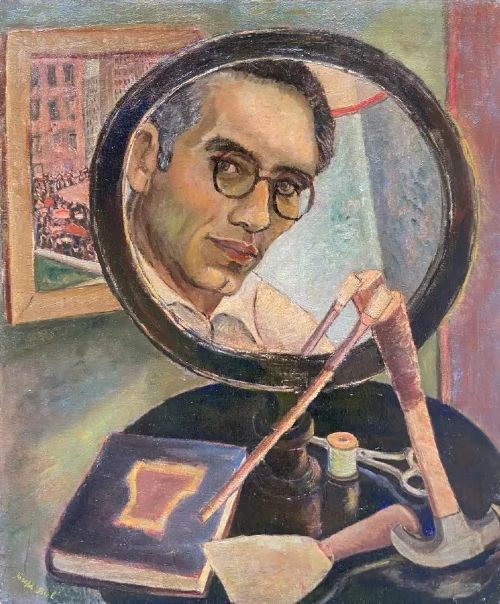
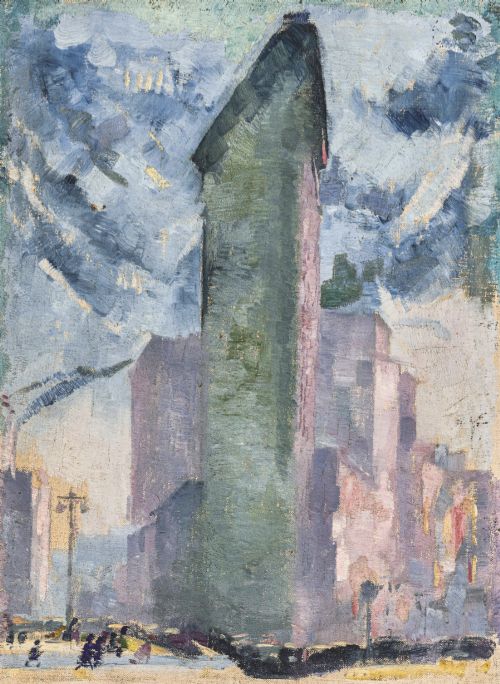
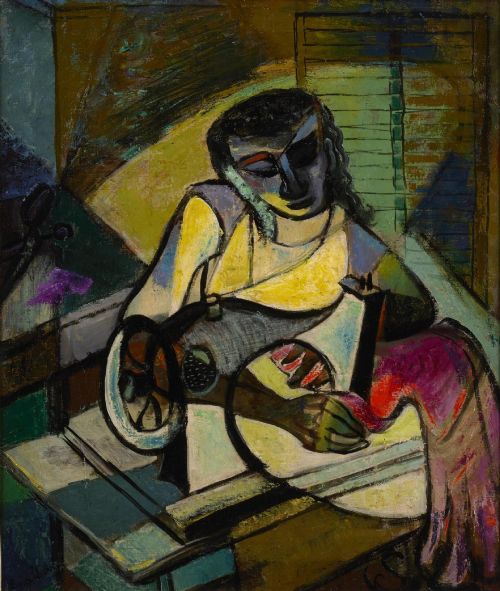
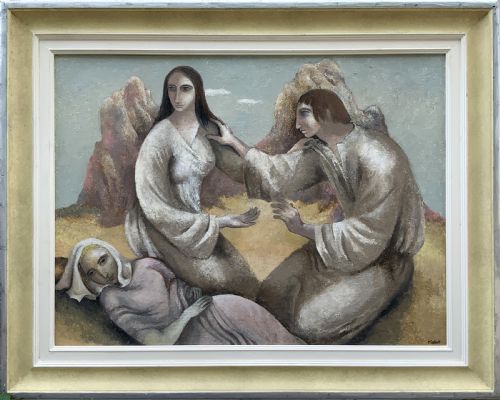
When you search for expressionist oil artwork, you encounter painted scenes and portraits shaped by intense personal vision rather than strict realism. The pieces gathered here span from the nineteenth century through the mid-twentieth century, capturing pivotal decades of artistic evolution.
You are most likely to meet mid-twentieth-century examples on this page, particularly works originating from the nineteen-fifties and nineteen-sixties. These canvases often interpret cityscapes, coastal views, and figures through energetic handling of pigment.
The selection encompasses diverse regional schools, including British, French, and German expressions of the style. Painters utilise oil on canvas or board, frequently housed within wood frames that complete the period aesthetic.
Materials and Construction
Artists relied primarily on oil paint applied to stretched canvas or rigid wooden boards as their foundational medium. This combination allowed for rich colour blending and substantial build-up of surface texture.
Impasto techniques appear frequently across the collection, where thick layers of pigment stand proud of the surface to catch the light. This physical application of paint heightens the emotional weight of portraits and landscapes alike.
Listings feature works spanning the nineteenth century through the nineteen-sixties, utilising oil on canvas and wood board.
Distinctions in Quality
Quality rests upon the confidence of the brushwork and the clarity of the composition's emotional drive. Stronger examples demonstrate a complete mastery of colour harmony, where every stroke serves the expressive purpose of the scene.
The relationship between the support and the paint layer also defines the standard of a piece. Well-preserved surfaces retain their original tension and pigment saturation without undue cracking or instability.
Lucy Pratt·Joseph Biel·Alfred Wolmark·Lena Gurr·Christine Nesbit·Donald McIntyre·John Lowrie Morrison·Vladimir Aldoshin·Lilian Colbourn·Joan Gillchrest·Tony Giles·Hazel M Barnett·Gaetan Dumas·Gabriel Dauchot·Baruch Shalom Oskotsky·Hein Hoppmann·Leon Kossoff·William McCance
The Expressionist Oil Artwork Glossary
- Impasto
- Paint applied thickly to a canvas, standing out in relief from the surface. This technique adds tactile depth and visible brush texture to the composition.
- Canvas
- A closely woven fabric stretched across a wooden frame to form a foundation for painting. It remains the most common support for oil works across these periods.
- Board
- A rigid flat panel made of wood or compressed material used as a painting surface. Artists often chose board for smaller sketches and spontaneous compositions.
- Fauve
- A style characterised by wild, vibrant brushwork and non-naturalistic use of colour. Originating in France, it prioritised painterly quality and emotional expression over realistic representation.
- Post-Impressionism
- An artistic movement following Impressionism that extended its use of vivid colours while adding distinct structural forms. Painters emphasised symbolic content and personal emotional response.
Expressionist Oil Artwork: Frequently Asked Questions
What defines expressionist oil paintings?
These works prioritise emotional experience over accurate visual replication of a subject. Artists use distorted forms and heightened colours to convey inner feelings.
Brushstrokes remain visible and dynamic, drawing the viewer into the psychological atmosphere of the scene.
How do I care for antique oil paintings?
Keep canvases away from direct sunlight and dramatic fluctuations in household temperature or humidity. Avoid using water or chemical cleaners on the painted surface.
Dust gently with a soft, dry brush only when necessary to protect the delicate pigment layers.
How can I date mid-century art?
Examine the framing materials, canvas preparation, and any inscriptions or signatures left on the reverse of the board. Gallery labels and exhibition stickers often provide concrete historical markers.
Stylistic shifts across the decades also help place a work within specific cultural movements.
Where were these mid-century artworks created?
The pieces originate from various European and British workshops, reflecting distinct regional responses to modernism. Artists worked in urban centres like Paris as well as coastal artist colonies.
Each location imbued the local landscapes and figure studies with unique regional character.