



Expressionist Canvas Art
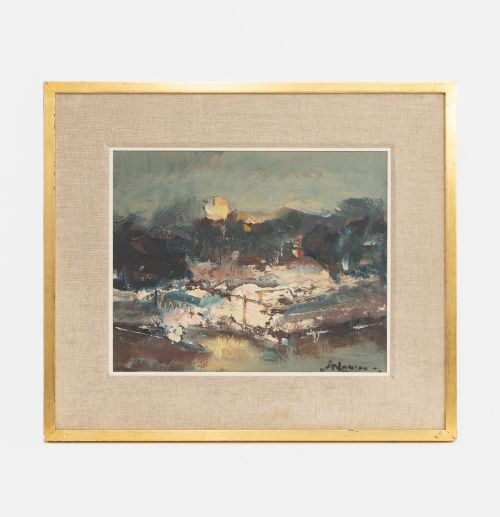
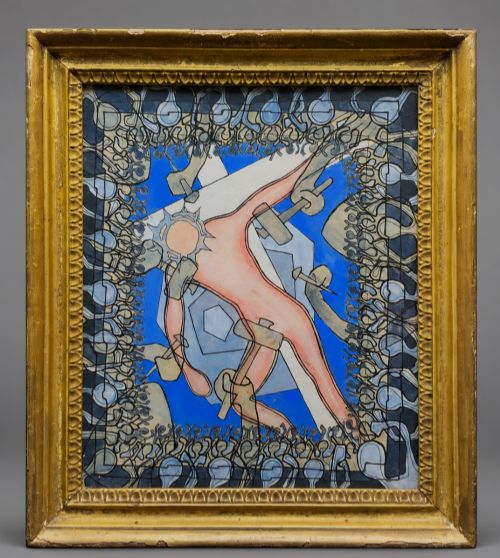
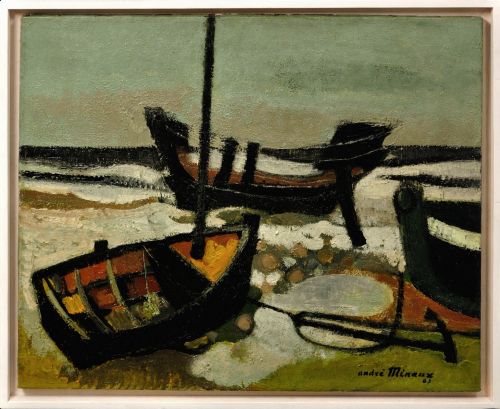
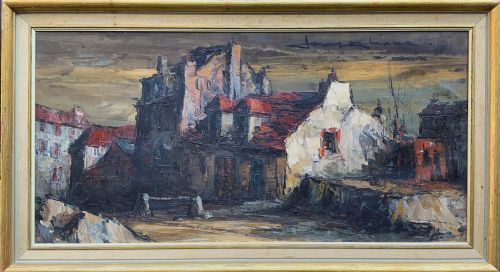
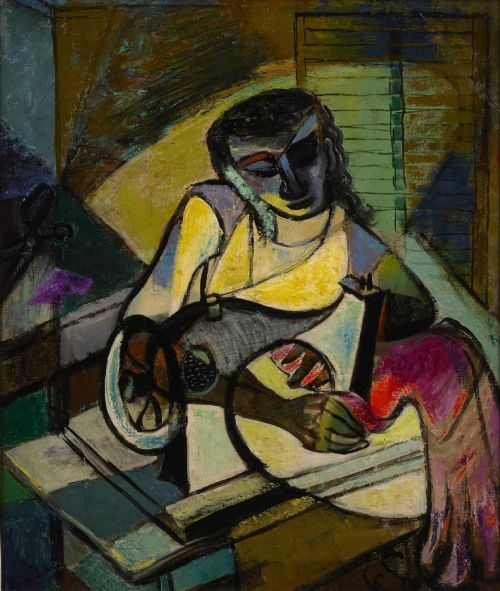
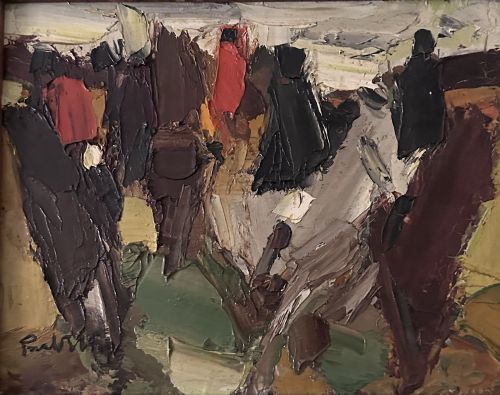
Expressionist canvas art brings intense colour and bold brushwork into a room, capturing raw emotion through striking painted forms.
Expressionist Canvas Art
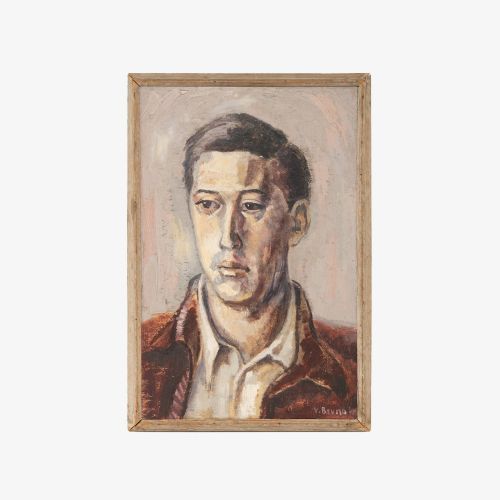
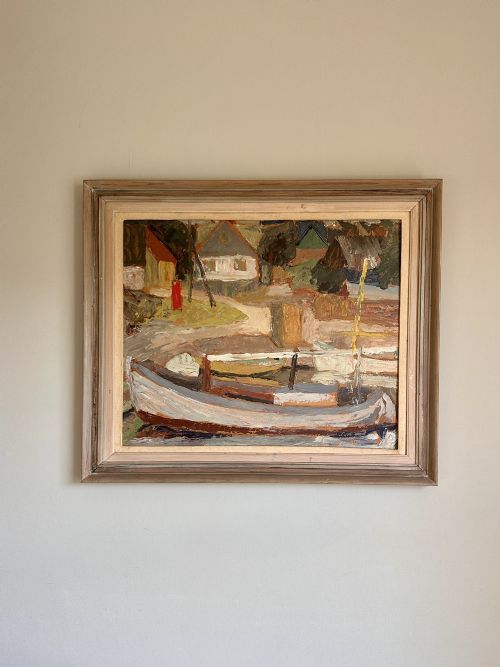
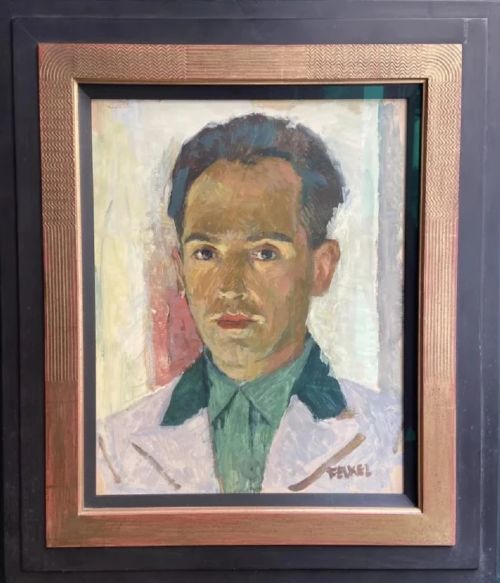
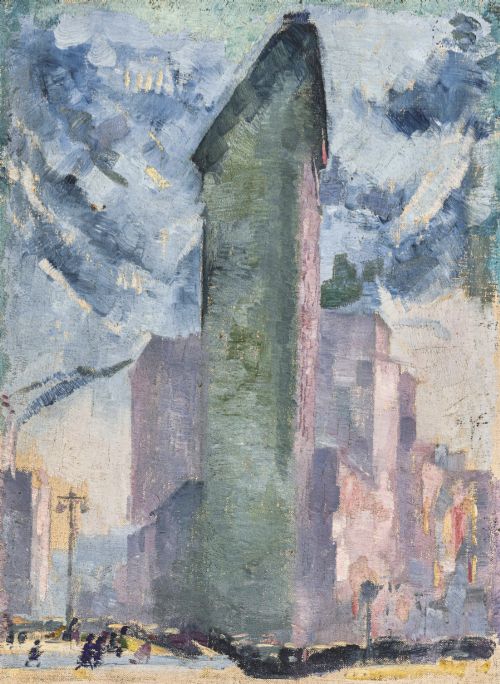
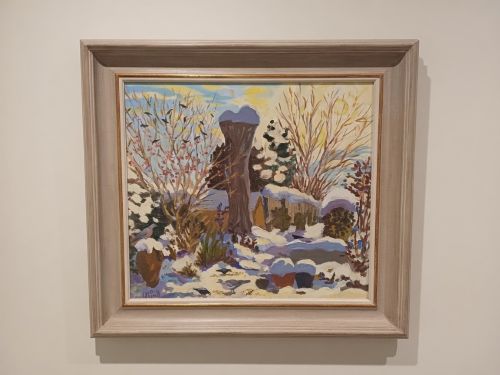
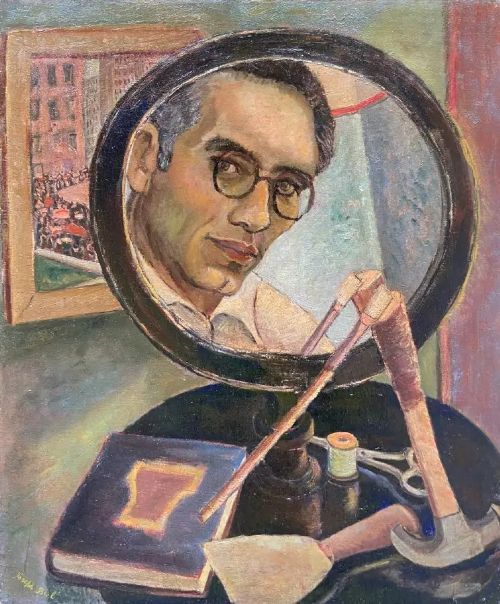
When you search for expressionist canvas art, you encounter oil paintings spanning from the nineteenth century through the nineteen-sixties, with a strong concentration of mid-century pieces. These works range from vibrant cityscapes and village scenes to intimate self-portraits and expressive still lifes.
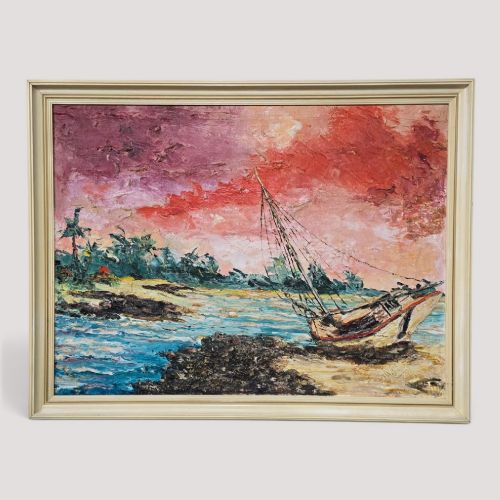
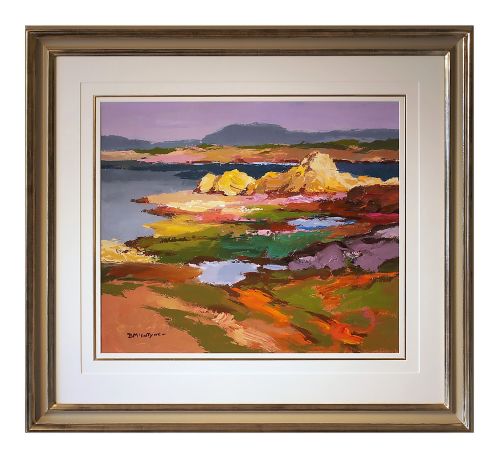
The most common items on this page are mid-century oil paintings executed on canvas or board, often housed in wood frames. Artists use dynamic brushwork and rich colour palettes to convey atmosphere rather than strict optical realism.
How they were made
The primary technique relies on oil paint applied thickly to stretched canvas or wooden board, occasionally utilising impasto texture to build tangible surface relief. Artists build compositions through layered brushstrokes and pigment manipulation rather than smooth, blended finishes.
Supports generally consist of primed canvas over wooden stretchers or rigid boards, frequently fitted into period wood frames that complement the painted surface.
Expressionist Canvas Art Retail Price Guide 2026
Typical asking prices for expressionist canvas art among the pieces listed under this phrase on Sellingantiques today, from the lower quarter to the upper quarter. They describe what is for sale here now, not the wider market.
Several paintings capture quiet moments of animals, including energetic horse races, grazing ponies, and a surprising cock fight.
What varies in quality
Quality rests upon the confidence of the brushwork and the clarity of the composition, distinguishing bold, deliberate marks from hesitant execution. A successful piece demonstrates balance in colour harmony and a strong sense of internal rhythm.
The integration of surface texture and pigment depth further separates standard decorative canvases from works with compelling psychological or atmospheric intensity.
Lucy Pratt·Carl Felkel·Joseph Biel·Alfred Wolmark·Lena Gurr·Donald McIntyre·Tony Giles·Hazel M Barnett·Gaetan Dumas·Gabriel Dauchot·Mercedes Legrand·Baruch Shalom Oskotsky·Hein Hoppmann·Leon Kossoff·William McCance·Peter Jackson·Jean Hippolyte Marchand·Pinchus Krémègne
The Expressionist Canvas Art Glossary
- Canvas
- A heavy woven fabric used as a surface for oil painting. It is typically stretched tightly over a wooden frame before work begins.
- Impasto
- A technique where oil paint is laid thickly on the canvas, leaving visible brush or palette knife marks that stand out from the plane.
- Post-Impressionism
- An art style extending beyond Impressionism towards more symbolic content and heavier forms. Artists reject strict naturalism in favour of emotional resonance.
- Fauvism
- A style featuring painterly qualities and strong, unnatural colours. It prioritises vigorous brushwork over representational values.
Expressionist Canvas Art: Frequently Asked Questions
How do I hang expressionist canvas art?
Ensure the wall can support the weight of the wood frame and secure it using appropriate picture hooks suited to the wall type.
Position the painting at eye level in an area with balanced indirect lighting to protect the oil paint from direct heat and strong sunlight.
Are these paintings original works?
The pieces listed are original oil paintings created by individual artists rather than mass-produced prints or mechanical reproductions.
Each canvas bears the unique brushstrokes and handling of the painter who created it.
How do I identify the period of a canvas?
Look for clues in the stretcher construction, framing materials, artist signatures, and any inscriptions or labels found on the reverse of the canvas or board.
Stylistic elements and subject matter also help narrow down the decade of creation.