





Exeter Silver
Exeter silver antique pieces carry the distinct provincial hallmarks of the West Country, offering collectors rich Georgian and Victorian silverwork.
Exeter Silver
When you search for exeter silver antique items, you are looking at domestic silver originating from the West Country assay office, distinguished by the Exeter castle mark alongside standard sterling hallmarks. These objects encompass functional dining implements and household items produced during the Georgian and Victorian eras.
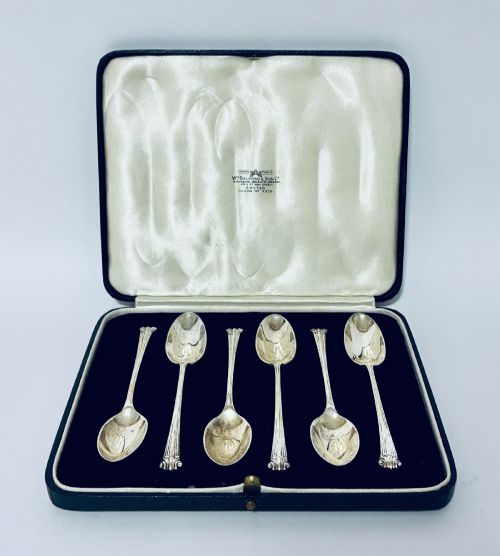
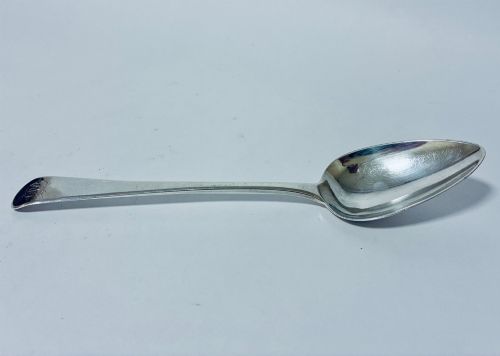
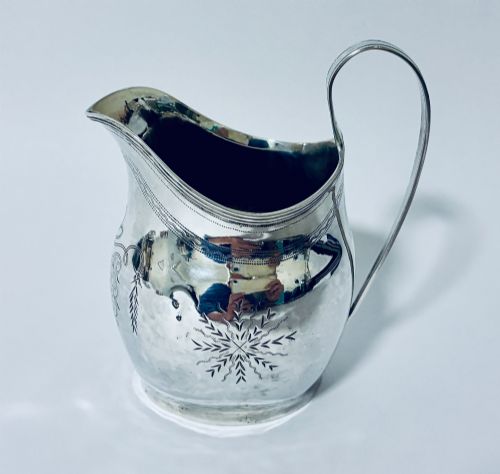
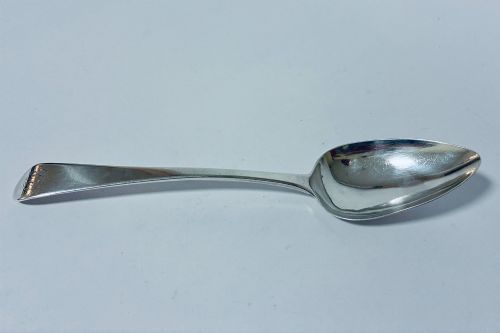
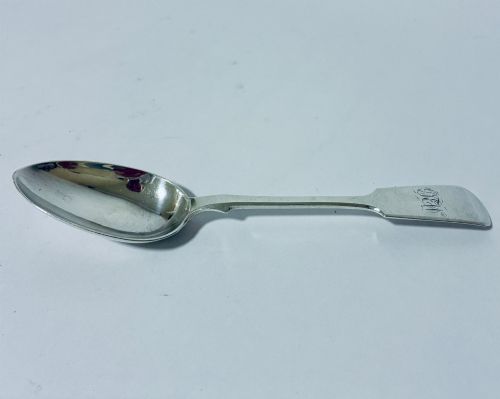
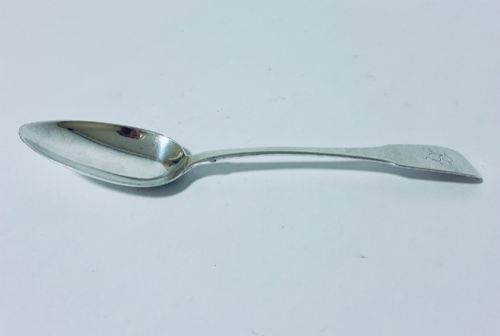
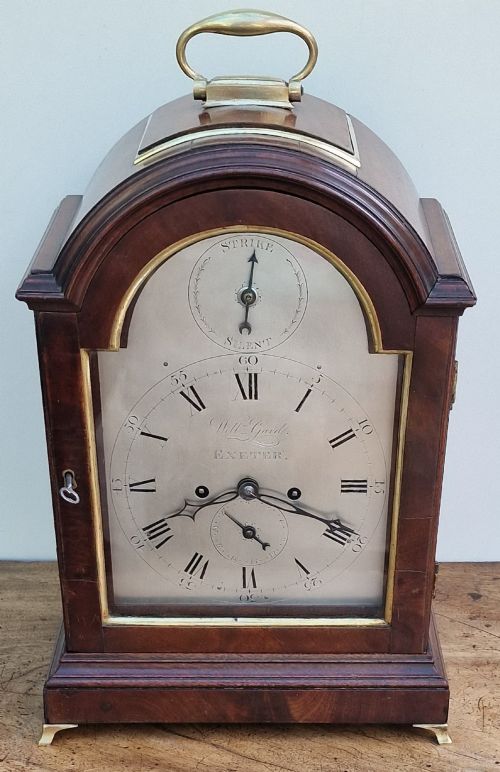
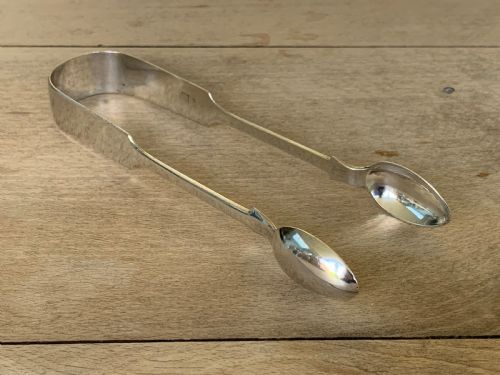
The pieces most commonly met on this page include serving spoons, tablespoons, cream jugs, and sugar tongs, alongside occasional items like teaspoons and cased sets. Larger items such as a bracket or table clock also appear, demonstrating the range of provincial craftsmanship.
Originating largely from the late eighteenth and nineteenth centuries, these items capture the output of regional silversmiths working outside London. The examples span simple domestic flatware to specialised serving pieces, reflecting the practical needs of period households.
How they were made
Provincial silversmiths hammered and shaped sterling silver into utilitarian and decorative forms, utilising traditional casting and hand-wrought techniques. The resulting objects display the solid weight and robust construction typical of regional West Country plate.
Complementary materials occasionally appear in fitted settings or associated objects, incorporating glass, mahogany, brass, leatherette, silk, and velvet. These materials support items such as cased cutlery sets and clocks alongside the primary silverwork.
Exeter Silver Retail Price Guide 2026
Typical asking prices for exeter silver among the pieces listed under this phrase on Sellingantiques today, from the lower quarter to the upper quarter. They describe what is for sale here now, not the wider market.
A solitary bracket clock manages to keep time amidst a sea of spoons.
What varies in quality
The standard of execution in provincial silver depends on the clarity of the punches and the crispness of the original shaping. Crisp assay marks and well-preserved bowl profiles elevate certain items above heavily worn domestic pieces.
Maker reputation influences the standing of individual items, particularly when associated with recorded regional silversmiths. The survival of original presentation cases and associated fitted elements also distinguishes more complete examples.
William Gard·Josiah Williams & Co
The Exeter Silver Glossary
- Assay office
- The official body that tested the purity of precious metals and struck the appropriate marks. The Exeter office used the castle symbol to designate its provincial origin.
- Sterling silver
- The standard alloy of silver containing ninety-two point five percent pure silver and seven point five percent other metals, chiefly copper. This composition provided durability for daily dining implements.
- Sugar tongs
- Small spring-handled utensils designed for lifting sugar lumps into tea or coffee cups. Georgian and Victorian examples often feature bright-cut engraving or cast shell bowls.
- Cream jug
- A small pitcher used for serving cream at the tea table, produced in various domestic metals and ceramics. Silver versions often match contemporary sugar basins or tea services.
- Flatware
- Functional dining implements including spoons, forks, and ladles. Provincial flatware frequently displays regional variations in pattern and handle shaping.
Exeter Silver: Frequently Asked Questions
What is an Exeter silver antique?
An Exeter silver antique is a piece of sterling silver bearing the assay mark of the Exeter office, active in the West Country until the nineteenth century. These items include flatware, hollowware, and serving pieces produced by regional silversmiths.
Collectors prize them for their distinct provincial hallmarks, which separate West Country production from London work.
How do I identify Exeter silver?
Exeter silver is identified by the presence of the Exeter town mark, typically depicted as a three-towered castle, alongside standard lion passant and maker's initials. Additional date letters help narrow down the exact year of assay.
These punches are usually struck on the reverse of flatware handles or near the rims of hollowware.
What periods do these pieces date from?
The pieces seen here span the Georgian and Victorian periods, with specific dates extending from the late eighteenth century through the late nineteenth century. Eighteenth-century spoons and nineteenth-century cream jugs form the core of surviving regional output.
Stylistic shifts from Georgian simplicity to Victorian ornamentation are visible across the timeline.
How were silver sugar tongs used?
Sugar tongs were employed at the tea table to transfer sugar lumps from a bowl into individual cups. Victorian and Georgian examples often feature spring mechanisms or scissor actions.
They frequently survive alongside matching spoons in fitted presentation cases.