




European School Portrait Painting
These european school portrait painting works capture centuries of continental likenesses, offering collectors a direct link to historic sitters and regional painting traditions.
European School Portrait Painting
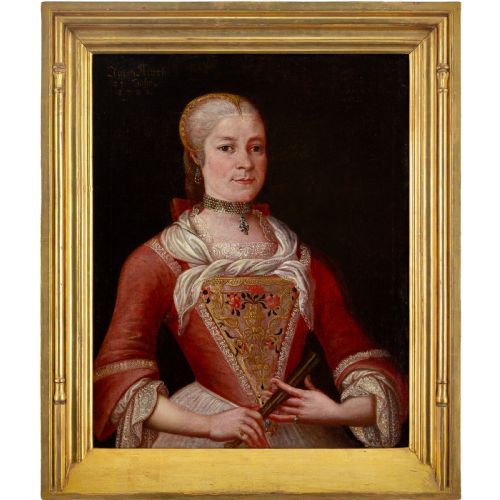
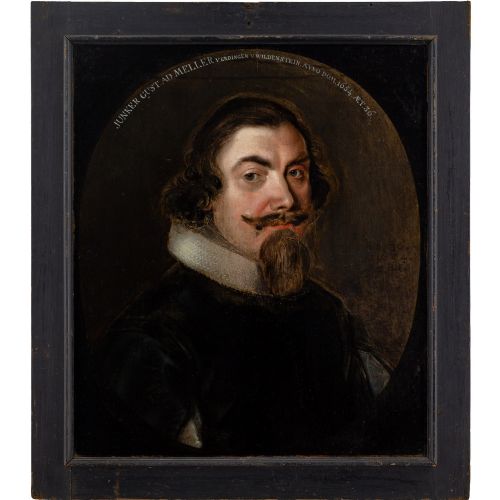
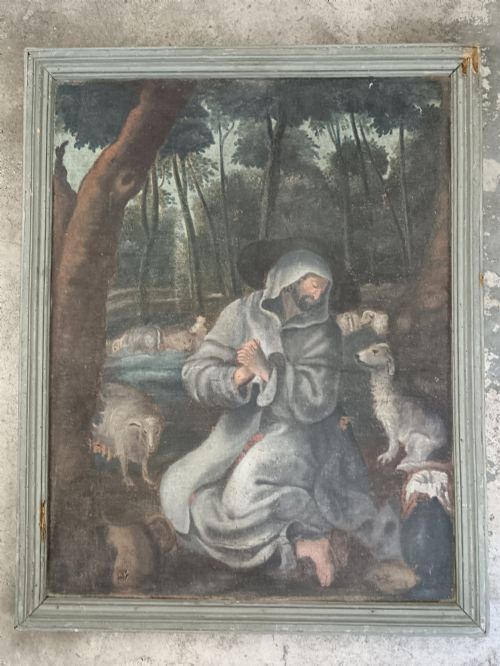
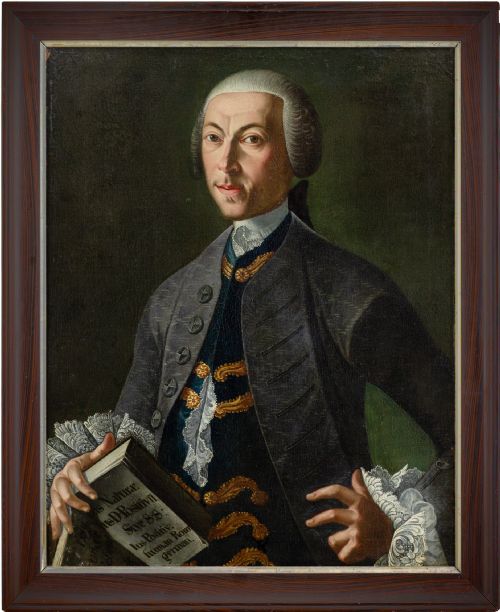
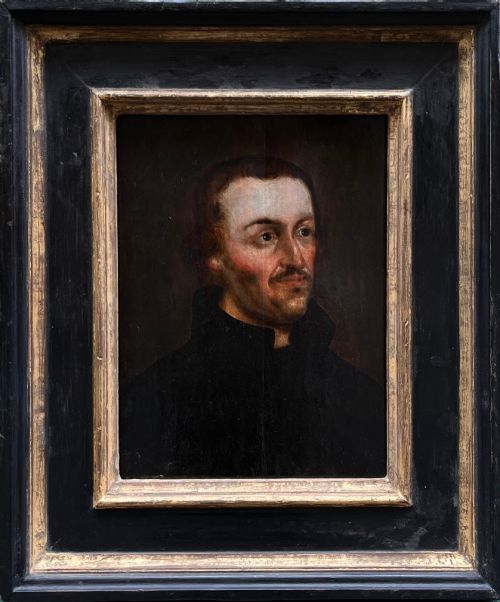
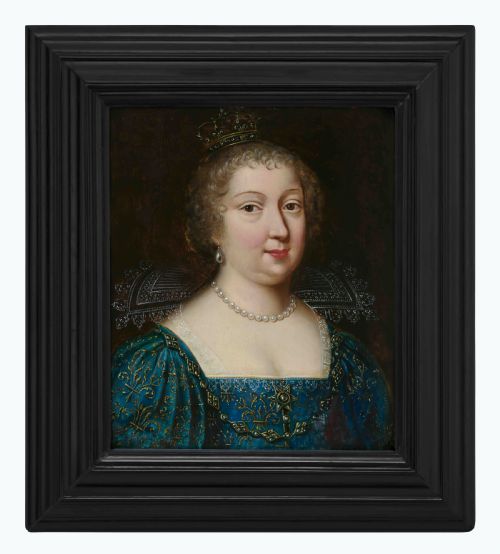
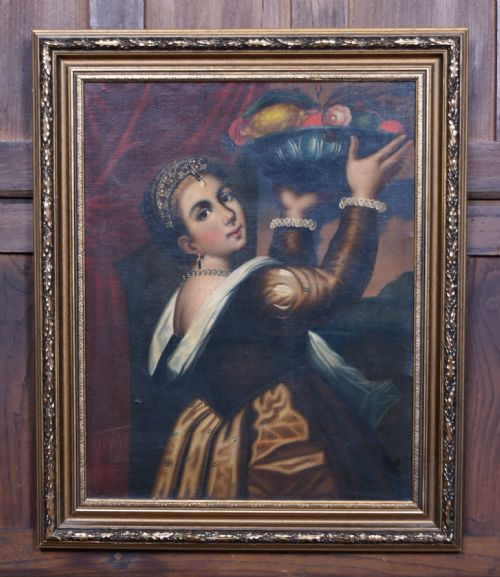
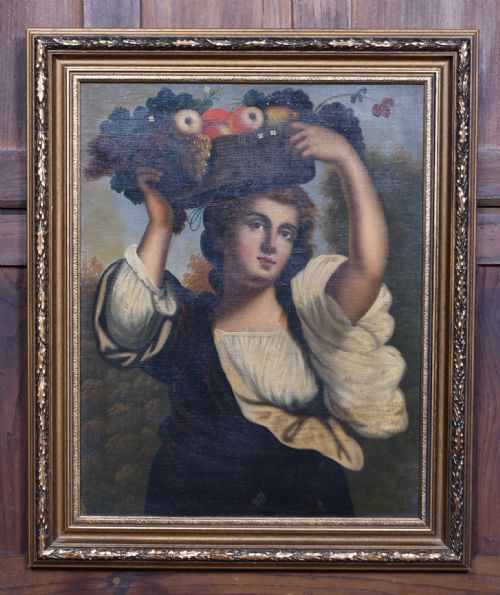
A european school portrait painting brings together historical likenesses created across various continental regions from the seventeenth to the nineteenth centuries. These works range from formal depictions of aristocrats and nobility to devotional figures and studies of everyday subjects.
Most examples encountered on this page originate from regional traditions such as the German, Italian, Flemish, and Dutch schools. Subjects span named historical figures, nobility, and anonymous sitters rendered in oil.
The regional schools display distinct stylistic traits, connecting specific geographic centres with particular periods of portraiture. Viewers find works spanning from seventeenth-century Baroque interpretations to nineteenth-century Biedermeier expressions.
Distinguishing quality and execution
Quality rests in the precision of facial rendering, the handling of drapery, and the psychological depth captured in the sitter's expression. Superior examples demonstrate confident brushwork and anatomical accuracy that elevate the portrait beyond standard workshop production.
The preservation of the original paint surface and the integrity of the support material significantly influence the character of each piece. Retaining period frames and avoiding heavy overpainting preserves the historical authenticity valued by collectors.
Regional styles include Bavarian, Flemish, Dutch, Italian, and Austrian schools alongside general European works.
Henri and Charles Beaubrun·Luigi Bardi·Johan Horner·Bartolome Esteban Murillo·Raphael
The European School Portrait Painting Glossary
- European school
- A designation used when a painting originates from continental Europe but the specific artist remains unrecorded or part of a wider regional tradition. This term helps categorise works by geography and period rather than a single master.
- Oil paint
- A slow-drying medium composed of pigments suspended in a drying oil, typically linseed. This material allows artists to blend tones smoothly and build translucent glazes.
- Baroque
- An artistic style prevalent during the seventeenth and eighteenth centuries, characterised by drama, rich colour, and deep shadow. Portraits from this period often emphasise theatrical lighting and grand attire.
- Panel painting
- A work executed on a flat piece of wood rather than stretched canvas. This rigid support was common in earlier centuries before canvas became the dominant medium.
- Pentimento
- A visible trace of an earlier painting beneath the layers of paint, showing where the artist changed their mind during the creative process. Such alterations reveal the working method of the hand.
European School Portrait Painting: Frequently Asked Questions
What does European school mean?
This label identifies works created on the continent where the exact hand is unknown, attributing the piece instead to a regional tradition.
It groups paintings by geographic origin and stylistic period rather than a specific master.
How do I date a portrait?
Dating relies on stylistic clues, costume details, hair fashion, and the materials used for the canvas or panel.
Comparison with documented works from the same regional school helps narrow the active period.
Were these painted from life?
Many formal portraits were painted from life, though regional workshops also produced copies after established masters.
Works depicting historical figures or religious subjects often drew from earlier compositional sources.
How should I frame these?
Historic oil paintings are best housed in period-appropriate wooden frames, such as giltwood moulding, which complement their age.
Matching the frame style to the century of the painting maintains visual harmony.