
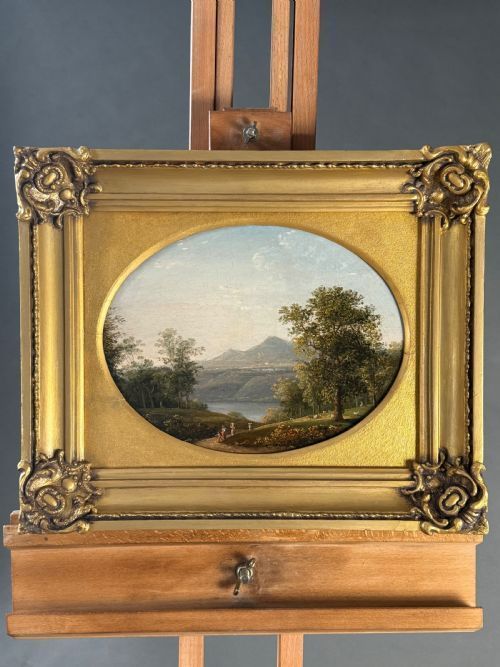
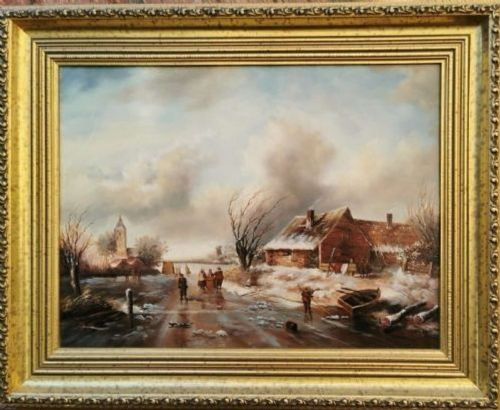
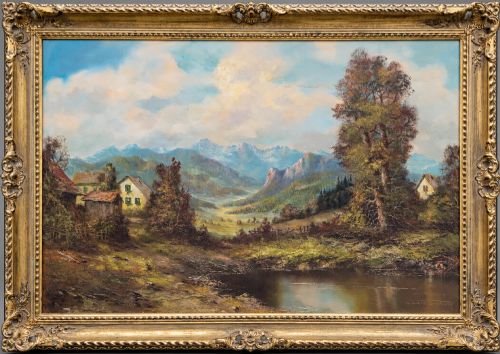
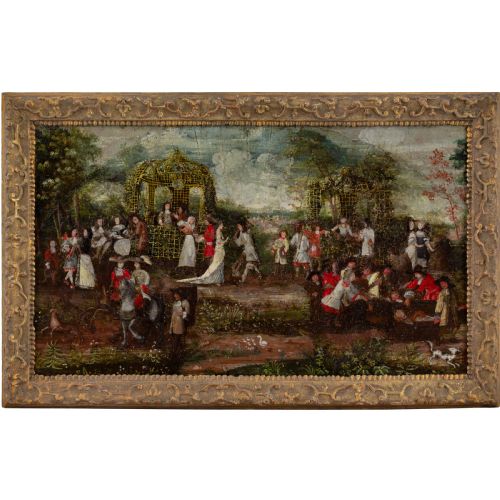
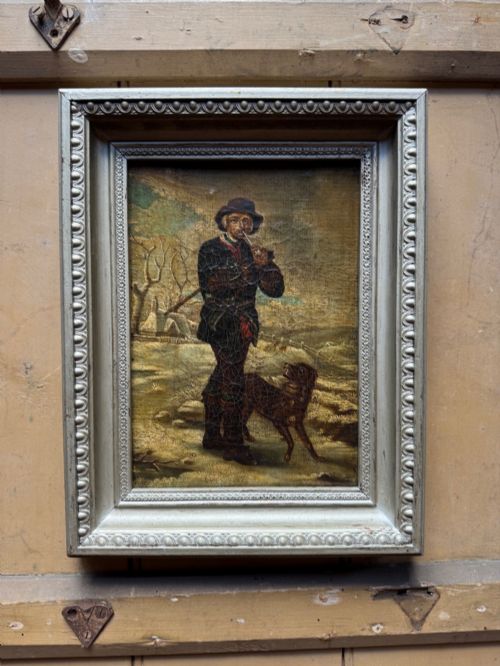
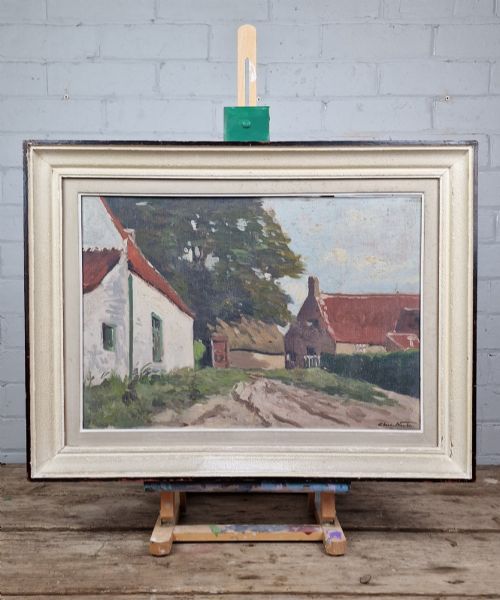
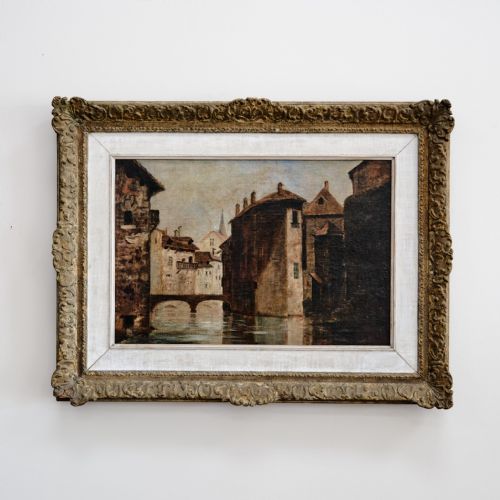
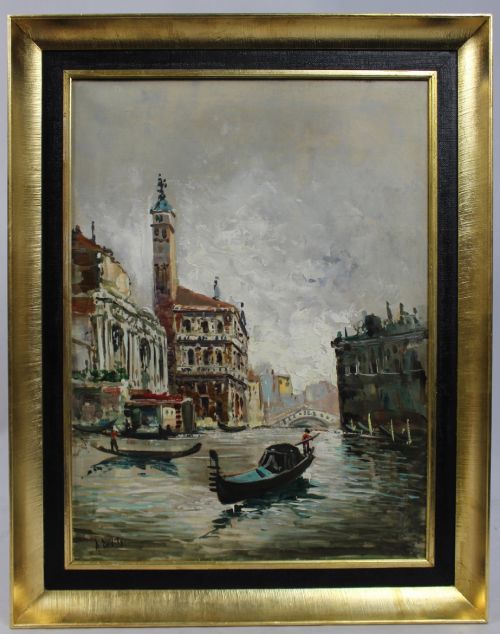

European Landscape Oil Painting
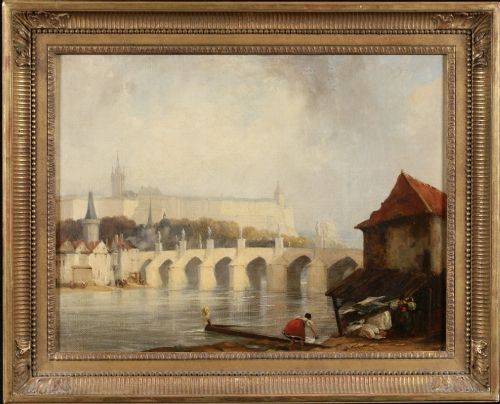
A european landscape oil painting brings the depth, atmosphere and varied topography of the continent directly into a room.
European Landscape Oil Painting
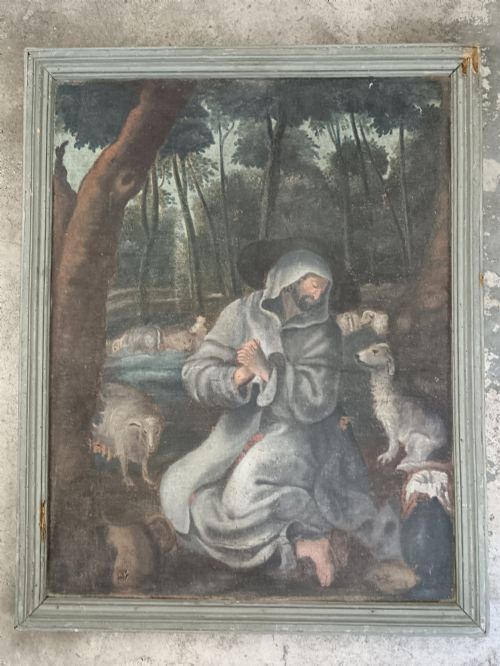
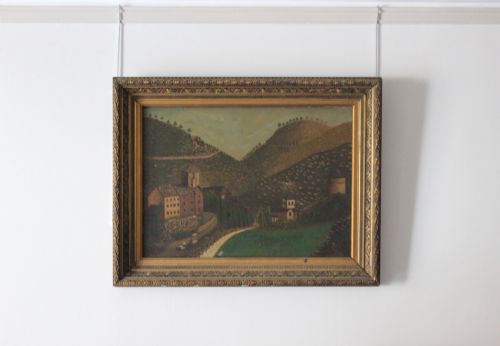
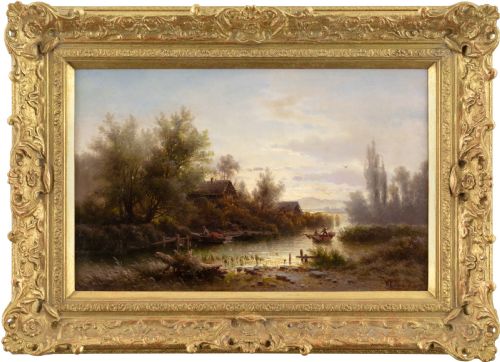
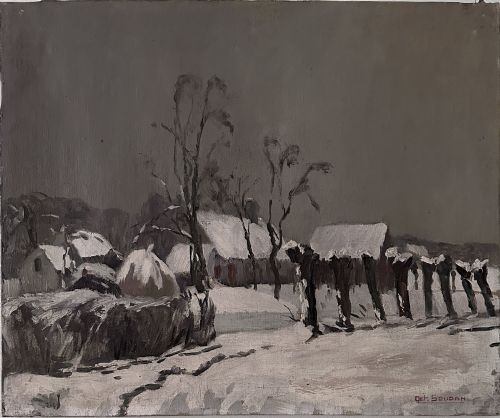
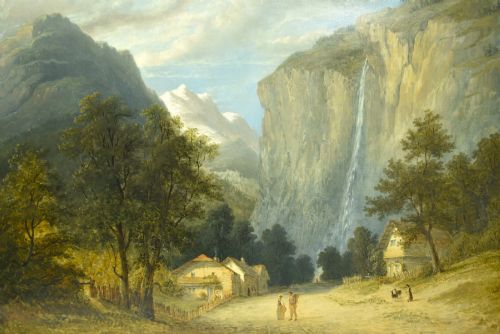
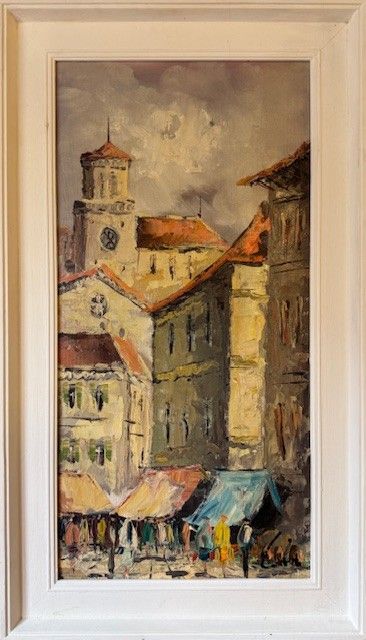
When you search for a european landscape oil painting, you encounter works spanning from the seventeenth century through to the mid-twentieth century, capturing rural scenes, urban vistas, and alpine panoramas. These canvases and panels record the changing light and terrain of regions across Europe, executed by named artists and regional schools alike.
The most common examples on this page are nineteenth-century and early twentieth-century works, often rendered in oil on canvas or wood panels, encompassing styles from 19th Century Realism and Romanticism to Impressionism and Post-Impressionism. You will find village views, river scenes, and mountain backdrops framed by periods of significant artistic shift.
How they were made
Artists painted primarily with oil paint on stretched canvas or wooden panels, sometimes utilising gesso preparations to prime the support before applying pigment. Frames of giltwood, ebonised timber, or decorated moulding often complete the construction, preserving the surface and providing structural integrity.
Techniques range from the meticulous brushwork seen in seventeenth-century Flemish and Dutch school landscapes to the looser, more energetic marks of later impressionist and expressionist works. The interplay of medium and support allows for deep glazing, visible texture, and lasting durability.
Some alpine scenes are so vast they practically require an oxygen mask just to admire the peaks.
What varies in quality
The standard of a european landscape oil painting rests upon the confidence of the brushwork, the handling of light and perspective, and the preservation of the original paint surface. Superior works demonstrate a distinct command of atmosphere and spatial depth, whereas lesser examples rely on formulaic composition and flat application.
Provenance and attribution further distinguish the pieces, with signed works by recorded artists or documented regional schools carrying greater historical weight than anonymous output. The integrity of the support, whether canvas or panel, and the sympathetic pairing with a period frame also influence the overall standing of the painting.
Charles Houben·Antonio DeVity·Albert Rieger·Paul-Élie Gernez·Mercedes Legrand·Jan Evert Morel·Job de Vogel
The European Landscape Oil Painting Glossary
- Canvas
- A heavy woven fabric stretched across a wooden frame to serve as a support for oil paint. It provides a flexible yet durable surface that responds well to tension and atmospheric shifts.
- Gesso
- A traditional white paint mixture consisting of a binder mixed with chalk, gypsum, or pigment, used to prepare wood panels or canvas for painting. It creates a smooth, absorbent ground for oil layers.
- Giltwood
- Wood that has been coated with a thin layer of gold leaf or gold paint for decorative effect. It frequently appears on antique frames surrounding landscape paintings.
- Pentimento
- An alteration in a painting evidenced by visible traces of previous brushstrokes or composition changes beneath the final layer. This phenomenon often reveals the artist's evolving process over time.
- Post-Impressionism
- An art movement extending roughly from the late nineteenth century that rejected impressionist naturalism in favour of broader symbolic or structural use of colour and form.
European Landscape Oil Painting: Frequently Asked Questions
How do I identify the age of a landscape painting?
Examine the canvas weave, the type of stretcher frame, and the composition of the wood panel or backing materials. Pigment testing and the style of the brushwork also offer reliable clues to the period of execution.
Look closely at the framing and any inscriptions, signatures, or labels on the reverse of the work. These elements often connect the piece to specific regional schools or active dates of the artist.
Where should I hang an oil painting?
Position the painting away from direct sunlight and fluctuating heat sources, such as radiators or fireplaces, to protect the oil paint and canvas from cracking or warping. Stable indoor environments preserve the integrity of both the support and the pigments.
Choose a wall height that places the centre of the canvas at eye level for comfortable viewing. Ensure the room's humidity remains moderate to prevent mould growth on organic materials like wood and canvas.
What is the difference between canvas and panel supports?
Canvas provides a flexible, woven surface that is typically stretched over a wooden frame, offering a slight bounce under the brush. It responds visibly to changes in humidity through tension shifts.
Wooden panels offer a rigid, unyielding surface that prevents the cracking often associated with canvas movement. Artists working in earlier centuries frequently favoured panels for their smooth finish and durability.