





European Impressionist Landscape
European impressionist landscape paintings capture fleeting moments of light and atmosphere across rural and urban scenes spanning the nineteenth and twentieth centuries.
European Impressionist Landscape
A European impressionist landscape brings together oil paintings created under the influence of nineteenth-century French traditions, capturing outdoor scenes with loose brushwork and luminous palettes. Buyers seeking a European impressionist landscape will find works spanning from the late nineteenth century through to the mid-twentieth century.
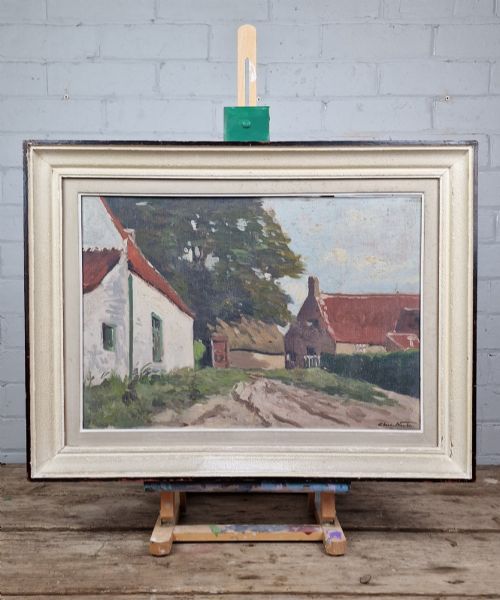
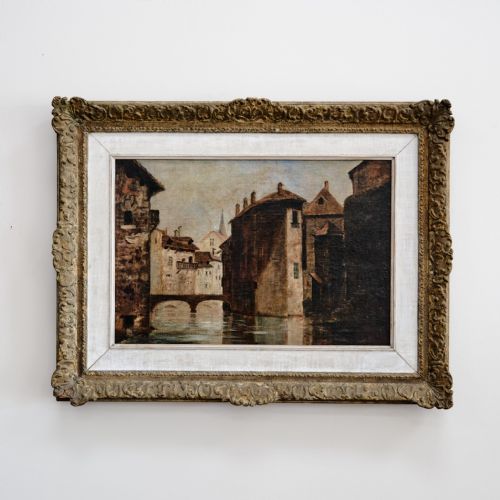
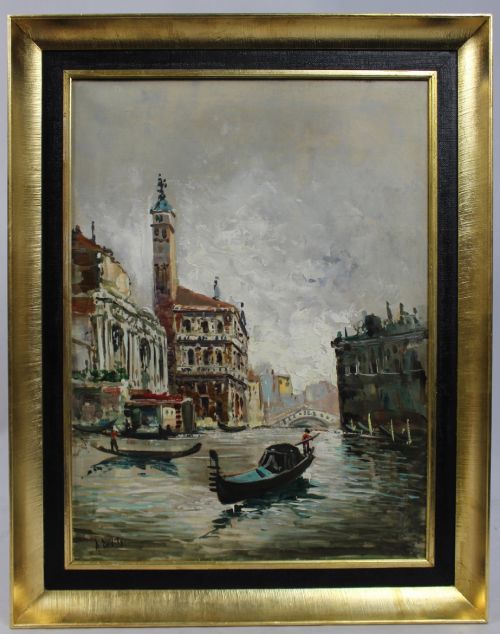
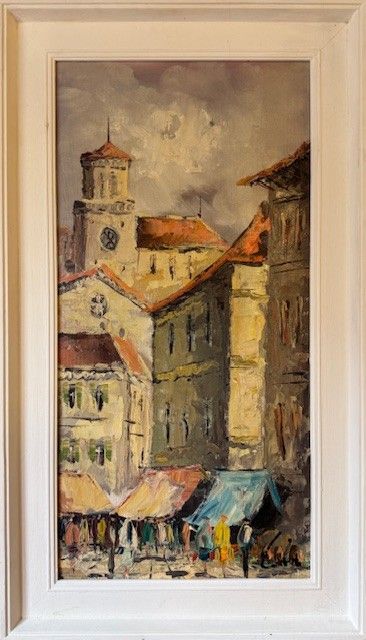
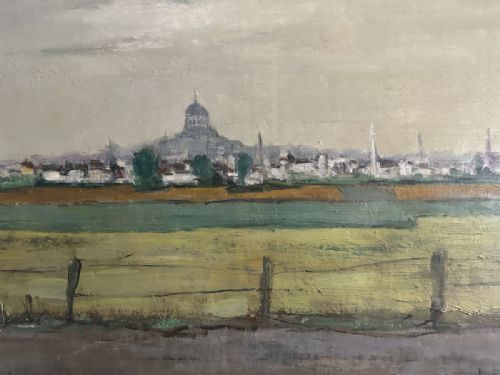
The selections on this page encompass various regional schools, including Flemish, Dutch, and French movements, alongside post-impressionist interpretations. Common subjects range from quiet farmyards and village street scenes to Venetian canals and bustling continental market squares.
Most pieces take the form of wall art executed in oil paint, presented either on canvas, wood panels, or board supports. These works reflect the diverse output of European artists working from the nineteen-hundreds to the nineteen-sixties.
How They Were Made
Painters relied principally on oil paint applied to canvas, wood panels, or sturdy boards to build up textured surfaces. Many works incorporate gesso grounds beneath the pigment to prepare the wooden or canvas supports.
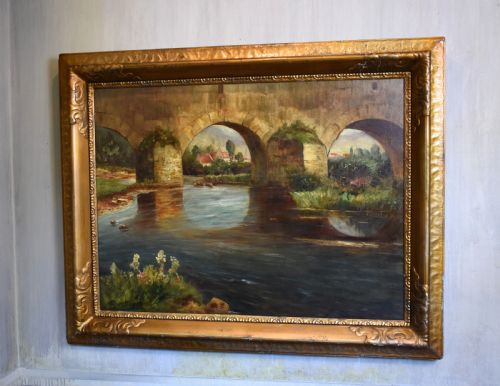
Some frames and panels incorporate accents of gold leaf, adding reflective quality to the borders surrounding the painted canvas. The physical construction combines traditional stretcher frames with direct application of pigment using brushwork characteristic of impressionist techniques.
Listings feature works created between the nineteenth century and the nineteen-sixties, utilising canvas, wood, oil paint, gesso, and gold leaf.
What Varies in Quality
Quality rests upon the confidence of the brushwork and the artist's command of light, shadow, and atmospheric depth within the landscape. Works by named painters with established regional ties often demonstrate superior composition compared to anonymous workshop pieces.
The integrity of the canvas or wooden panel and the stability of the oil paint layer determine the physical merit of each painting. Preservation of the original surface without heavy intervention separates the finest examples from heavily restored works.
Charles Houben·Antonio DeVity·Paul-Élie Gernez·Alois Arnegger·Franz Reder-Broili·Henri Therme·Martin Lamotte·Letitia Marion Hamilton
The European Impressionist Landscape Glossary
- Post-Impressionism
- An art movement extending the impressionist use of vivid colours and thick application while emphasising geometric forms or expressive content. This style developed toward the end of the nineteenth century and influenced subsequent generations of European painters.
- Gesso
- A plaster mixture used as a smooth base coat on panels and canvases before applying oil paint. It provides a stable white surface that helps preserve the luminosity of the pigments.
- Oil Paint
- A slow-drying paint made by mixing pigments with drying oils such as linseed. This medium allows artists to blend colours directly on the support and build thick impasto textures.
- Impasto
- The process of laying paint thickly on a canvas so that it stands out from the surface. This technique preserves the physical gesture of the brush and catches light across the painted landscape.
European Impressionist Landscape: Frequently Asked Questions
What periods do these paintings cover?
The available selection spans from the nineteenth century through to the mid-twentieth century, with specific works dated across the nineteen-hundreds, tens, twenties, thirties, forties, and fifties.
This broad chronological spread records how impressionist and post-impressionist techniques evolved across different European regions over several decades.
What subjects are typically depicted?
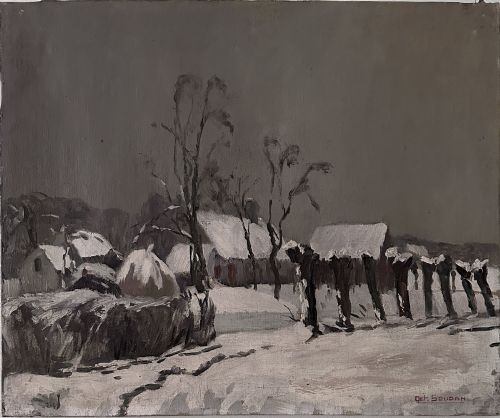
Common subjects include rural farmyards, winding country paths, winter villages, riversides, and pastoral views featuring olive trees. Urban scenes such as Venetian canals, French market squares, and continental townscapes also feature prominently.
Artists frequently captured local architecture, bridges, and figures integrated into everyday European environments.
What materials were used for these artworks?
Artists utilised oil paint applied to various supports, most commonly canvas and wood panels or boards. Some pieces include gesso preparation layers and occasional details finished in gold leaf.
These traditional materials ensure the longevity of the textured brushwork and rich colour palettes.
How do I identify regional schools?
Listings often attribute works to specific regional movements such as Flemish impressionism, Dutch traditions, or the nineteenth-century French school. Signatures, titles, and biographical details regarding the artist help locate the origin of each piece.
Geographical markers within the titles, such as Ghent, Padua, or Normandy, provide further context for the provenance.