



Pastoral River Scene
A pastoral river scene brings tranquil water, rural figures and classic countryside views directly into your room through oils and watercolours.
Pastoral River Scene
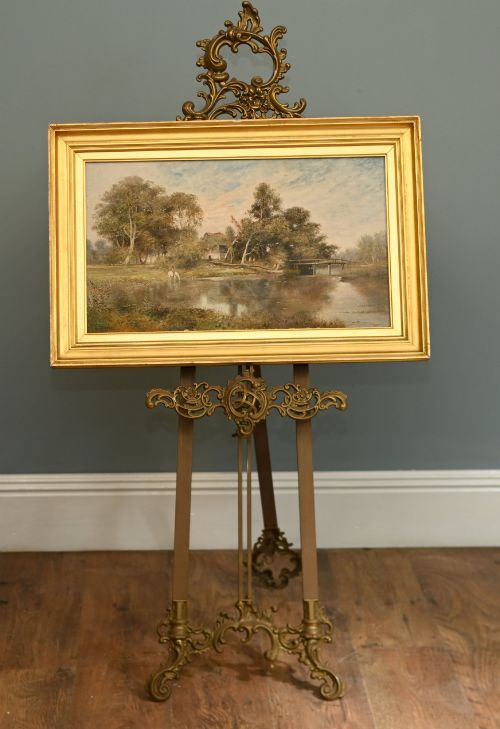
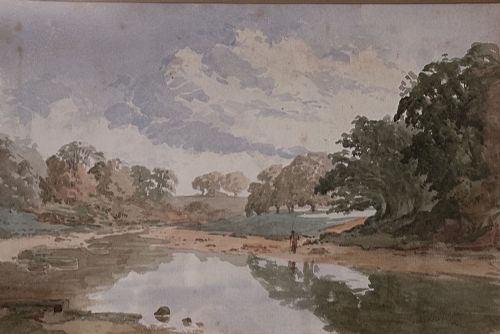
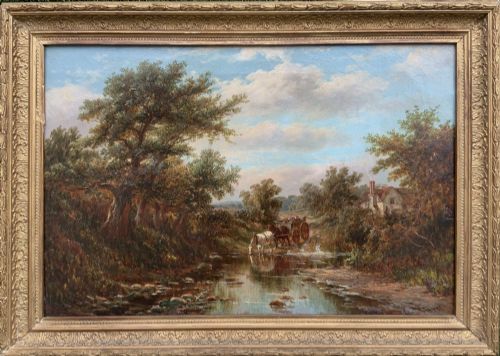
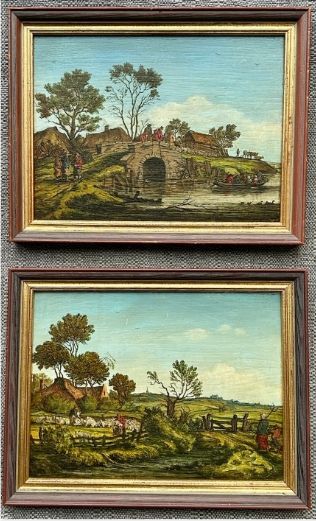
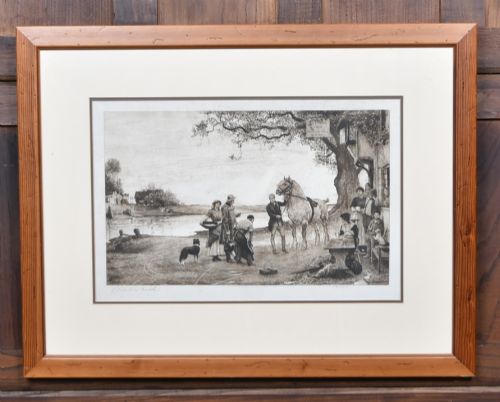
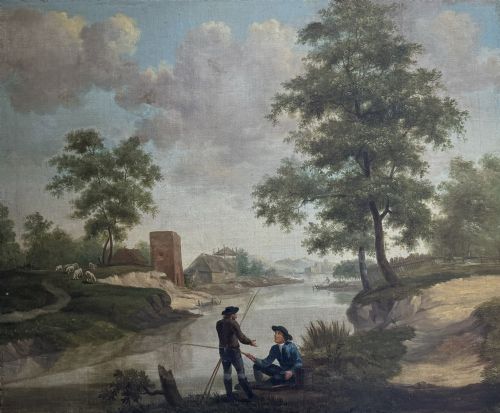
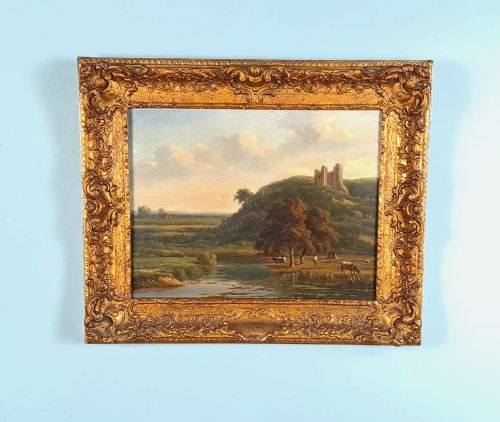
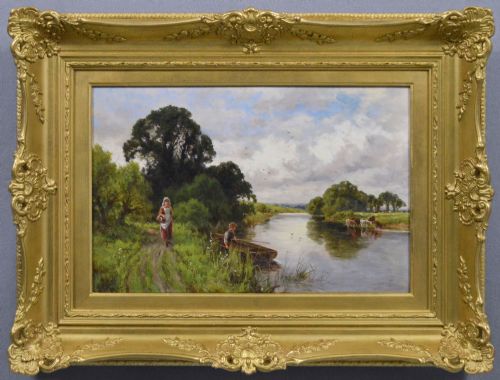
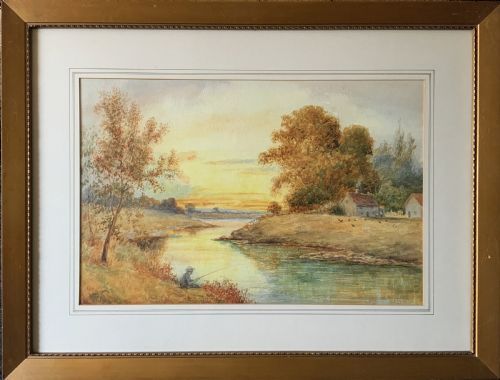
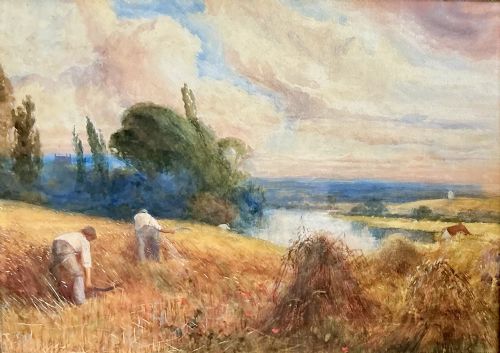
A pastoral river scene captures rural waterways, riverbanks, and countryside life through historic paintings and watercolours. You will frequently encounter nineteenth-century and early twentieth-century British and European works depicting figures fishing, crossing fords, or tending cattle by water.
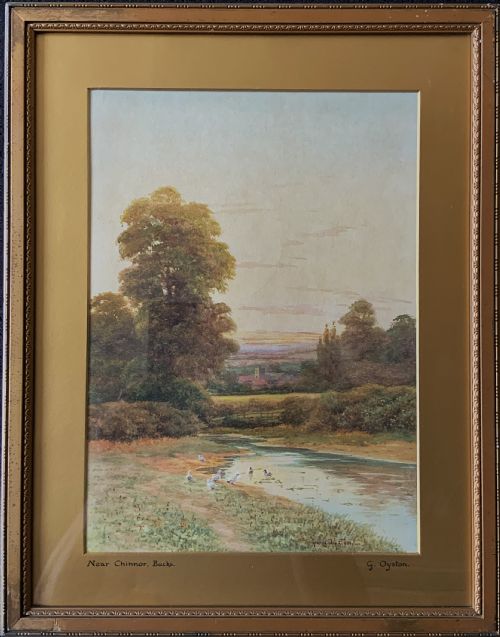
The selections span delicate watercolours on paper and substantial oil paintings on canvas or wood panels. Subject matter often focuses on named rivers and identifiable locations, ranging from Welsh valleys to Thames backwaters.
How they were made
Artists built these compositions using oil paint on stretched canvas, wooden boards, or panels, alongside watercolour pigment applied to paper. Brushes of varying widths laid down detailed foliage, water reflections, and skies, sometimes finished with protective varnishes.
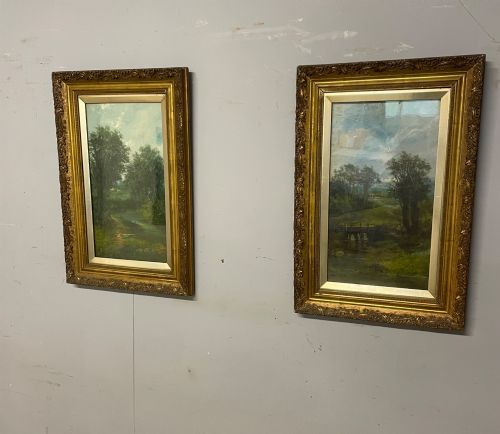
Many surviving works retain their period giltwood frames, which complement the painted pastoral motifs and provide structural support for the canvas or paper supports.
Several cows and a remarkably patient dog manage to find the exact same riverbank across different decades of painting.
What varies in quality
Quality rests in the confidence of the brushwork, the handling of natural light, and the anatomical accuracy of figures and livestock within the landscape. Superior examples demonstrate a careful balance between the surrounding scenery and atmospheric depth.
The presence of a clear signature, a recorded exhibition history, and a well-preserved original frame elevate the standing of an individual piece within the genre.
George Graham·Robert W Macbeth·George Oyston·T C Hofland·Henry H Parker·Frederick Hines·Thomas Baker of Leamington·Henry John Kinnaird·Robert John Hammond·Robert Thorne Waite·Walter J Watson·James Gunson Atkinson·Alfred Grey·Benjamin Williams Leader·Peter Deakin·William Manners·Thomas James Lloyd·Claude Cardon·Gudrun Sibbons·Thomas Creswick·Henry Sykes·Richard Wilson·Henry Cheadle·William Sidney Cooper·Alois Arnegger
The Pastoral River Scene Glossary
- Oil paint
- A slow-drying medium made by mixing pigments with oils such as linseed, allowing for rich colour blending and textured impasto.
- Watercolour
- A paint consisting of water-soluble pigments on paper, valued for its translucent washes and luminous effects.
- Giltwood
- Wood carved and covered with a thin layer of gold leaf, commonly used for traditional picture frames.
- Wood panel
- A flat wooden board utilised as a rigid support for oil paintings before canvas became universally dominant.
- Impressionism
- A style of painting that focuses on capturing the visual impression of the moment, particularly shifting light and open air.
Pastoral River Scene: Frequently Asked Questions
How should I hang a canvas painting?
Secure the painting using appropriate wall anchors matched to the weight of the frame and the wall type. Position the work at eye level away from direct sunlight and excessive moisture.
Ensure the hanging wire or D-rings are robust and properly attached to the wooden stretcher bars before mounting.
Can I clean an antique watercolour?
Surface dust may be gently removed with a soft, clean brush, but moisture and chemical cleaners must be avoided entirely. Paper supports are highly sensitive to humidity and improper wiping.
Consult a professional paper conservator if the artwork requires deeper cleaning or restoration.
How do I identify the period of a frame?
Examine the construction corners, the type of gesso used, and the ageing of the gilding beneath magnification. Period frames often show characteristic shrinkage cracks and hand-carved detailing.
Later replacements typically display uniform machine moulding and modern fixings at the reverse.
What is the difference between oil and watercolour?
Oil paint utilises a thick, viscous binder that sits on top of canvas or wood panels, allowing for heavy texture and later adjustments. Watercolour employs water-based pigments on paper to create translucent, luminous layers.
Oils are generally displayed beneath open frames, while watercolours require glass protection.