

European Art
European art spans centuries of painted canvases, carved sculptures, and fine diamond jewellery created across the continent.
European Art
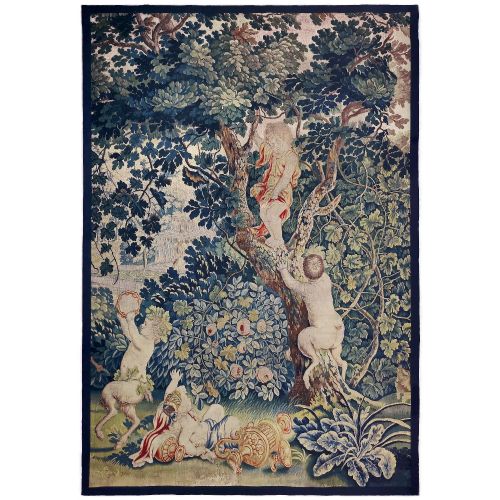
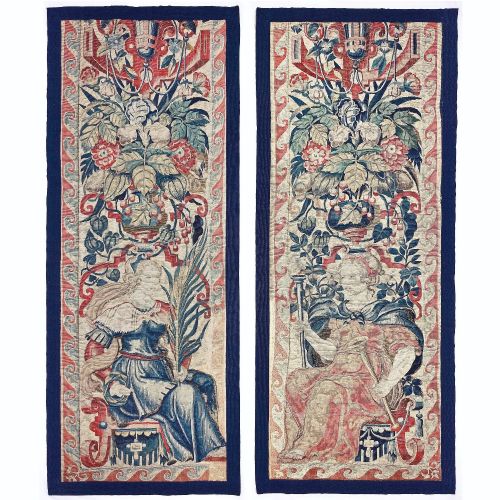
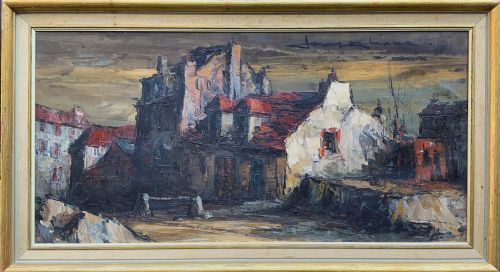
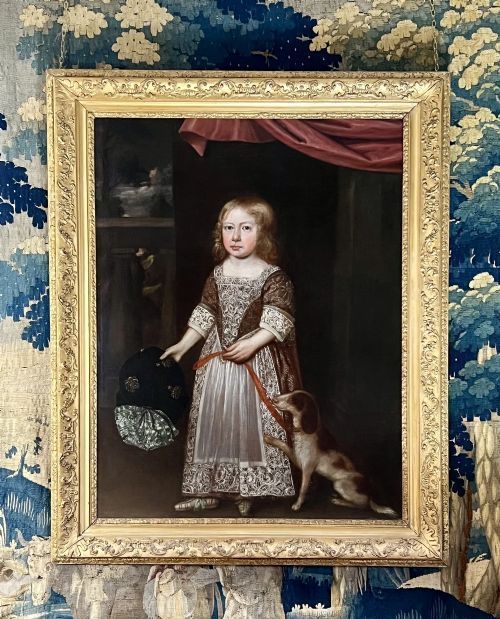
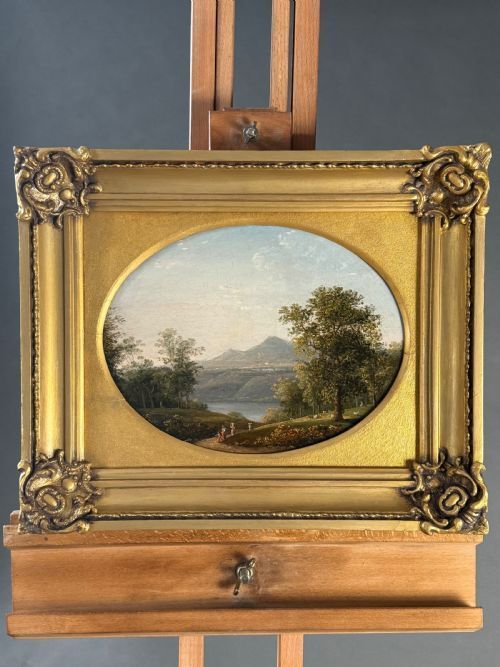
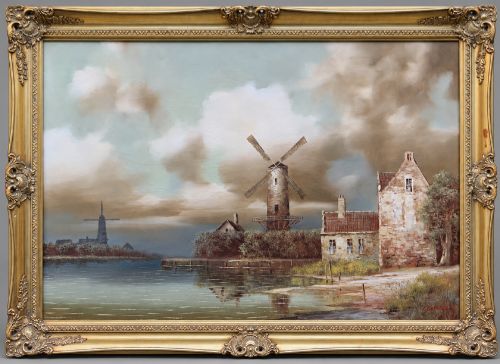
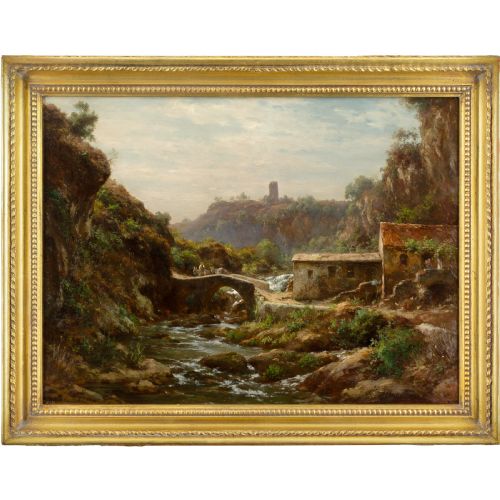
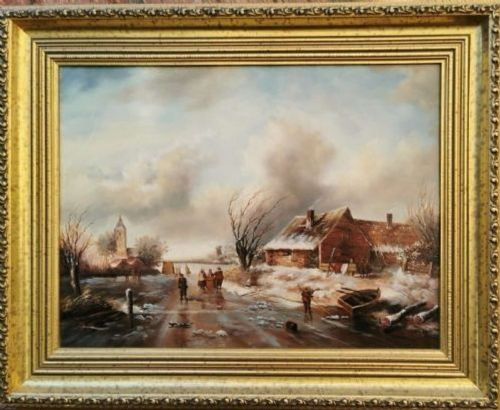
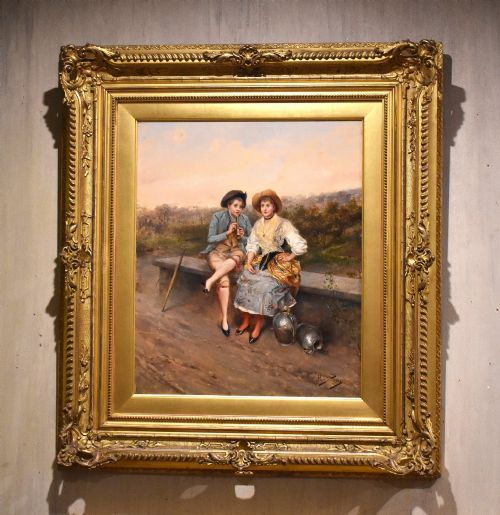
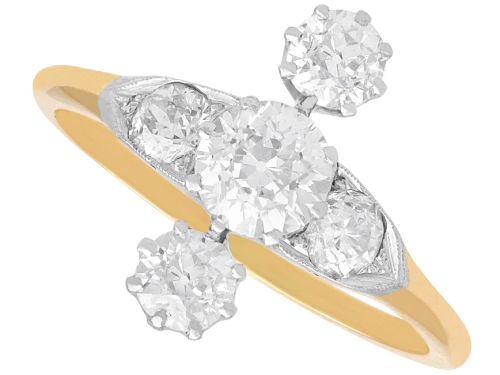
When searching for european art, buyers encounter a diverse selection ranging from seventeenth-century portraits to twentieth-century diamond rings. Oil paintings form a substantial portion of this category, featuring landscapes, religious subjects, and formal portraits executed by various regional schools.
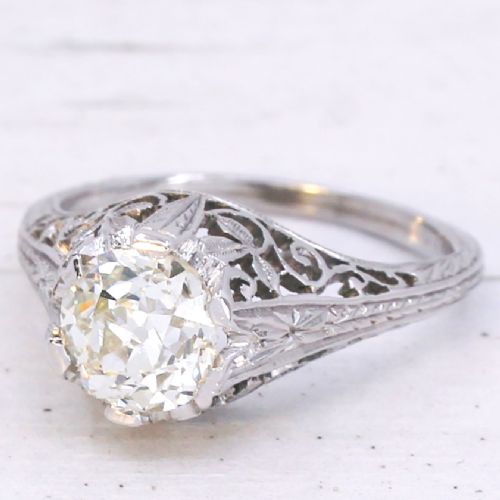
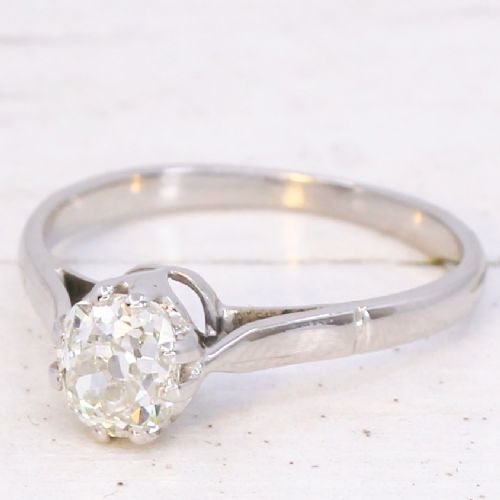
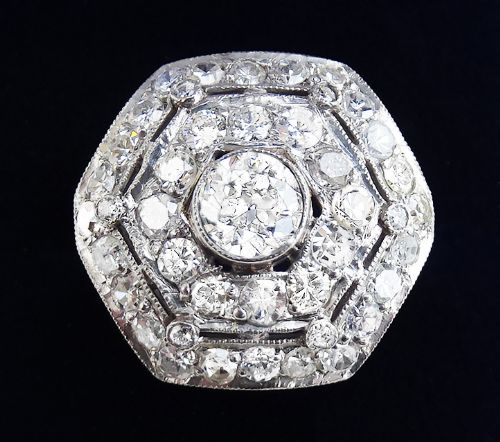
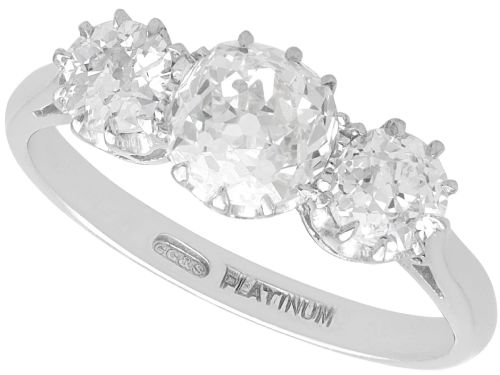
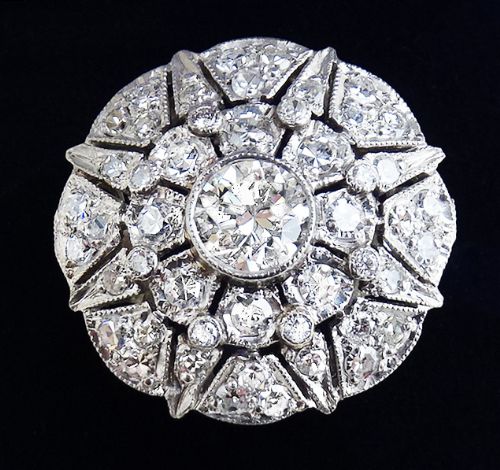
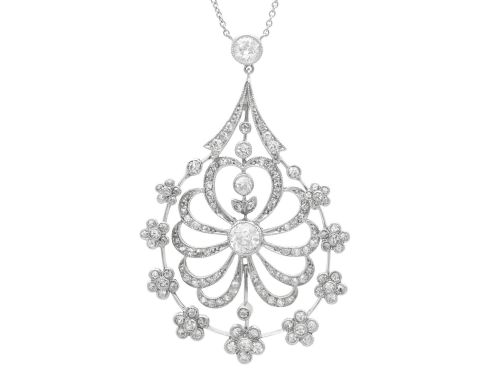
Beyond paintings, the selection incorporates carved wood sculptures, framed panels, and platinum or gold jewellery set with old cut diamonds. These objects reflect the craftsmanship and aesthetic shifts of periods spanning from the seventeenth century through the mid-twentieth century.
How they were made
Painters utilised oil on canvas, wood panels, and board, often applying pigments with traditional brushwork techniques. Sculptures and decorative frames demonstrate detailed hand-carving in wood, complemented by gesso and deep giltwood finishes.
Jewellery pieces combine precious metals such as platinum, white gold, and yellow gold with hand-set old cut diamonds in cluster and solitaire arrangements.
European Art Retail Price Guide 2026
Typical asking prices for european art among the pieces listed under this phrase on Sellingantiques today, from the lower quarter to the upper quarter. They describe what is for sale here now, not the wider market.
St. Anthony carries a small child while standing alongside historical landscapes and royal portraits.
What varies in quality
Quality in paintings rests upon the precision of brushwork, the preservation of the canvas or panel, and the depth of composition. Portraiture and landscape works show distinction through the rendering of light, facial expression, and anatomical proportion.
In jewellery and decorative items, craftsmanship is evident in the clarity and carat weight of the diamonds, the integrity of the metalwork, and the crispness of carved details in wood or gesso frames.
Adolf Johann Höffler·Alonso Perez·Jacob Philipp Hackert·Theude Grönland·Charles Houben·Antonio DeVity·Max Kaltenmoser·Albert Rieger
The European Art Glossary
- Old cut diamond
- A diamond cut popular in the late nineteenth and early twentieth centuries featuring a small table, high crown, and deep culet. These stones display a distinctive soft candlelight sparkle compared to modern brilliant cuts.
- Gesso
- A plaster-like mixture applied to wood or canvas as a base for painting or gilding. In antique frames, moulded gesso creates intricate low-relief decorative motifs.
- Pentimento
- A visible trace of earlier painting beneath the surface layer that was changed by the artist. This occurrence reveals the evolving composition of an oil painting over time.
- Giltwood
- Wood that has been coated with a thin layer of gold leaf or gold paint. It appears frequently on antique picture frames and decorative mouldings.
- Flemish School
- A group of artists working in Flanders during the seventeenth century known for detailed realism, rich textures, and dramatic use of light.
European Art: Frequently Asked Questions
How do I care for antique oil paintings?
Keep paintings away from direct sunlight and dramatic fluctuations in temperature or humidity. Dust the surface gently with a soft, dry brush without applying pressure.
Avoid using water, chemical cleaners, or damp cloths on the canvas or paint layer. Consult a professional conservator if the canvas requires cleaning or structural repair.
Can I wear an antique diamond ring daily?
Many buyers wear antique diamond rings every day, provided the setting is secure. Platinum and gold mountings from the early twentieth century are durable, but older settings benefit from regular checks by a jeweller.
Remove rings during heavy manual work, gardening, or swimming to protect the stones and the delicate metalwork from impact.
What does European school mean on a painting?
The term denotes a work created by an artist trained or working within a specific European country or regional tradition during a particular era. It often indicates that the exact individual hand is anonymous or unrecorded, though the style aligns with a known artistic movement.
These works provide insight into the prevalent techniques, subject matter, and cultural values of their geographical origin.
How are old cut diamonds different?
Old cut diamonds are hand-faceted by candlelight or early gaslight, resulting in broader facets and a deeper culet at the base. This historic cutting style prioritises retaining carat weight and catching ambient light over mathematical brilliance.
Consequently, these diamonds exhibit a charming, distinctive glow that differs sharply from the bright, uniform reflection of modern brilliant-cut stones.