



European Art Deco Ring
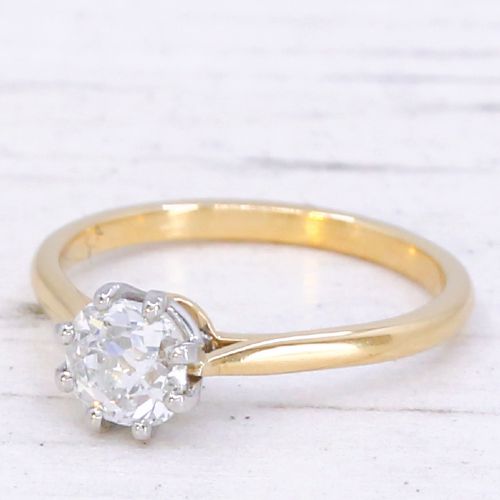
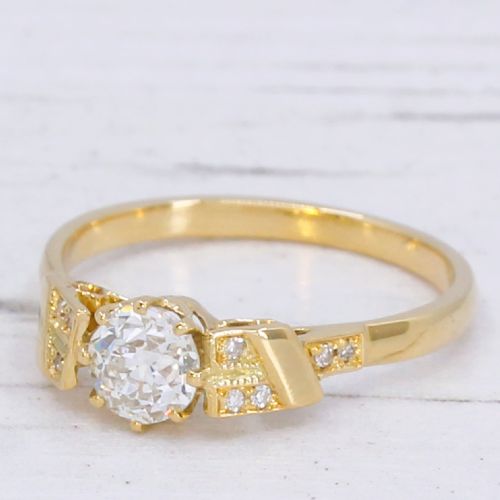
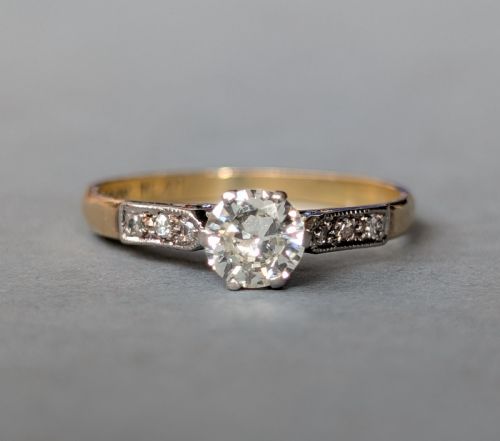
A european art deco ring brings geometric precision and old-cut brilliance together for a striking finger statement.
European Art Deco Ring
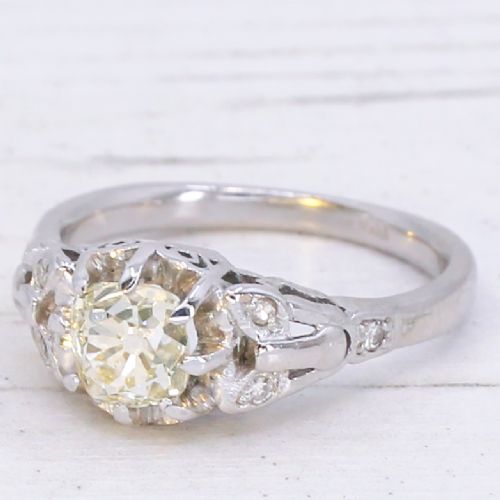
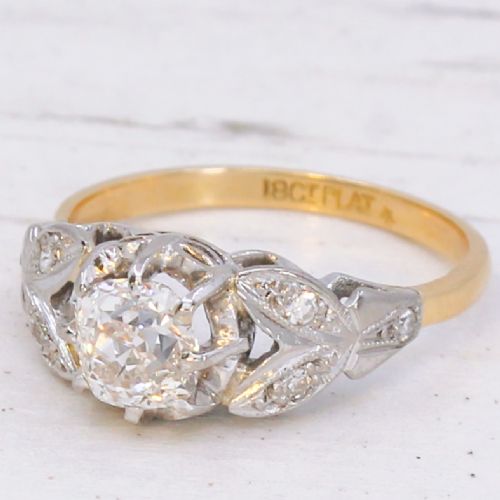
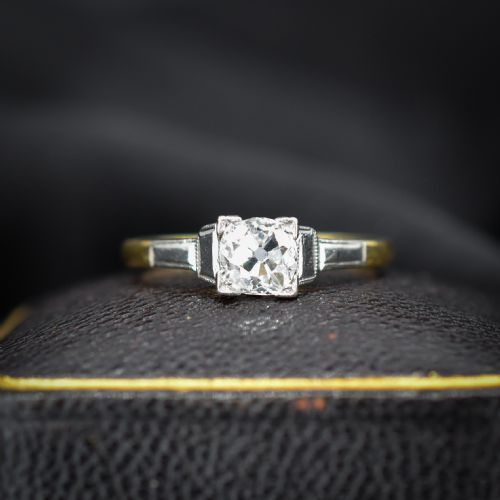
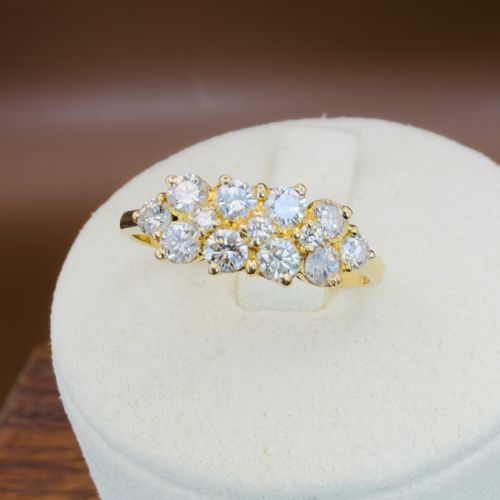
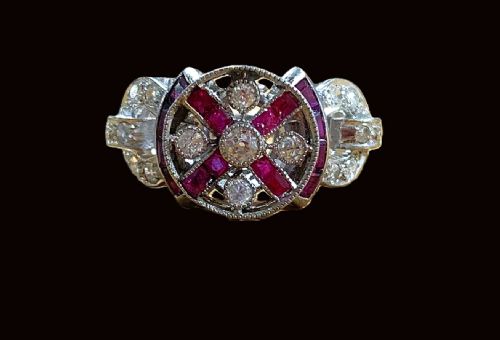
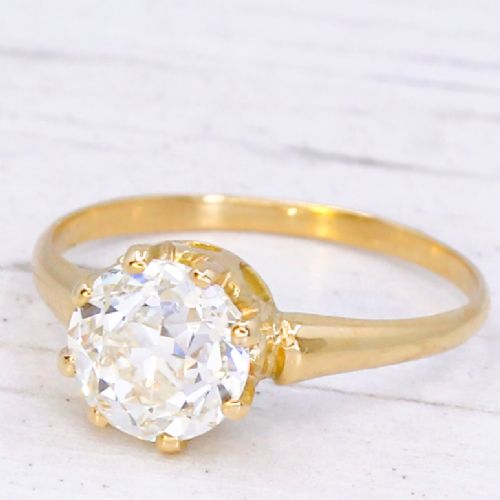
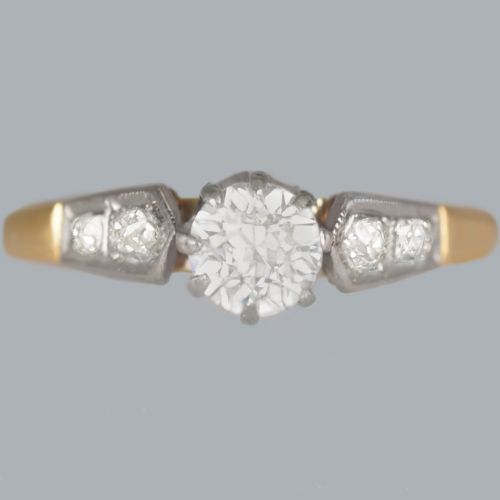
When searching for a european art deco ring, collectors encounter engagement rings and dress rings fashioned predominantly during the interwar decades. The selection encompasses single stone solitaires, multi-stone trilogy settings, and complex cluster configurations.
Most examples hail from the 1920s and 1930s, displaying characteristic symmetry, step-cut outlines, and architectural motifs. These pieces served as modern tokens of romance and status during the height of the jazz age.
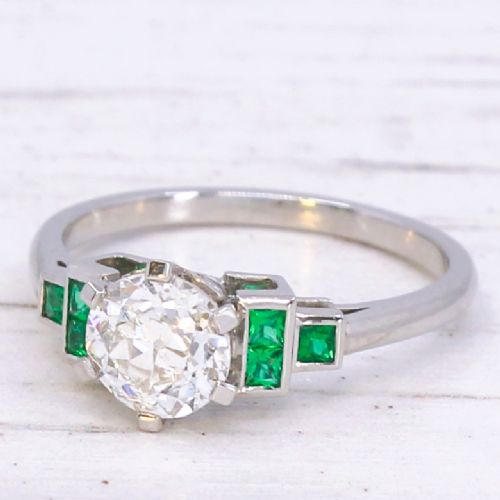
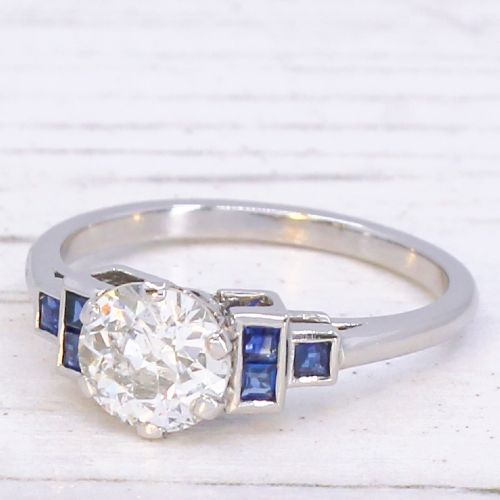
Surviving items merge classical craftsmanship with daring geometric outlines typical of the period style. Buyers routinely find platinum and gold bands framing central diamonds accompanied by calibre-cut gemstones.
How They Were Made
Goldsmiths utilised durable platinum alongside yellow gold and white gold to construct intricate mountings capable of securing multiple small stones. Metalwork frequently involved delicate millegrain edging and pierced openwork galleries to enhance light passage.
Gemstones were hand-cut into old European cuts, old mine cuts, and flat geometric shapes designed to sit flush within rigid metallic channels. Master setters utilised claw settings and flush borders to lock diamonds, sapphires, rubies, and emeralds securely in place.
Some previous owners clearly adored dramatic finger coverage, evidenced by bombé cluster rings stretching across multiple knuckles.
What Varies in Quality
Construction standards depend heavily on the precision of the metal piercing and the symmetry of the geometric layout. Superior examples display crisp millegrain work and robust platinum claws that show minimal wear across decades of handling.
Stone selection dictates the upper tier of the range, with clear old European cut diamonds or saturated calibré-cut sapphires elevating the piece. The overall harmony between the central stone and the surrounding mounting separates ordinary productions from masterworks.
The European Art Deco Ring Glossary
- Old European Cut
- A round diamond cut popular prior to modern brilliant faceting, featuring a high crown, small table, and open culet. This vintage cut produces a softer, deeper candlelit sparkle.
- Calibré Cut
- Small coloured gemstones precisely cut into uniform geometric shapes to fit tightly into specific channels within a mounting. These stones provide sharp borders of colour around central diamonds.
- Millegrain
- A decorative technique featuring a row of tiny raised metal beads along the edge of a setting. This subtle texture softens the metal boundary against the skin.
- Trilogy Ring
- A ring set with three primary stones symbolising the past, present, and future. This configuration was immensely popular during the art deco era.
- Toi et Moi
- A French term meaning you and me, describing a ring featuring two main opposing gemstones side by side. The style represents intertwined souls in romantic jewellery.
European Art Deco Ring: Frequently Asked Questions
How do I care for my ring?
Clean your piece gently using warm soapy water and a soft brush to remove everyday oils from beneath the stones. Avoid harsh chemical dips that might harm softer gems like emeralds or damage vintage metal.
Have a professional jeweller inspect the claw settings and platinum galleries annually to ensure the old cut diamonds remain securely seated. Regular maintenance prevents accidental stone loss during daily wear.
Can these rings be resized?
Most platinum and gold art deco bands can be adjusted by a skilled bench jeweller who understands vintage construction methods. The process requires care to preserve intricate shoulder engravings and side millegrain work.
Extremes in sizing may disrupt geometric side galleries or integrated patterns on the band. Consult a specialist before attempting alterations on heavily pierced plaque designs.
What defines art deco style?
The style relies upon bold geometric lines, symmetrical patterns, and architectural influences that broke away from flowing Edwardian curves. Designs favour squares, rectangles, triangles, and sunburst motifs.
Contrasting colours between white platinum and dark onyx or vivid sapphire heightened the modern aesthetic. This visual discipline remains the hallmark of the period.
Are old cut diamonds different?
Old European cut diamonds feature hand-cut facets tailored under lamplight rather than modern laser precision. They possess smaller tables and deeper pavilions that scatter light in broader, chunkier flashes.
This historic cutting style gives each stone an individual personality distinct from contemporary brilliant cuts. Their unique optical properties anchor the authenticity of vintage pieces.