






Ethnographic Artifact
These ethnographic artefact pieces carry the history and ritual of distant communities, offering buyers genuine tribal sculpture and utilitarian objects to display.
Ethnographic Artifact
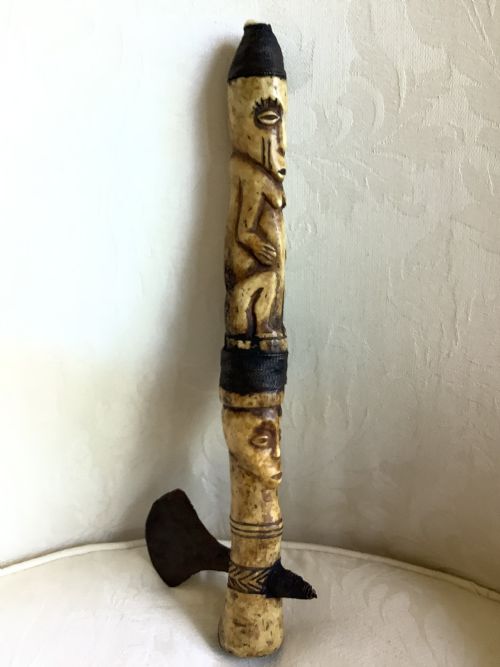
An ethnographic artefact represents the material culture of indigenous communities from Africa, Oceania, Indonesia, and Australia, spanning the eighteenth and nineteenth centuries. When searching for an ethnographic artefact, collectors encounter a diverse range of forms, from ceremonial weapons and religious artefacts to carved fertility figures and vessels.
The selection on this page centres heavily on nineteenth-century pieces, alongside select eighteenth-century primitive examples and items dated around 1880, 1890, and 1920. Common object types include sculptures, busts, decorative objects, religious artefacts, and ceremonial objects such as war clubs, throwing clubs, and hanging bowls.
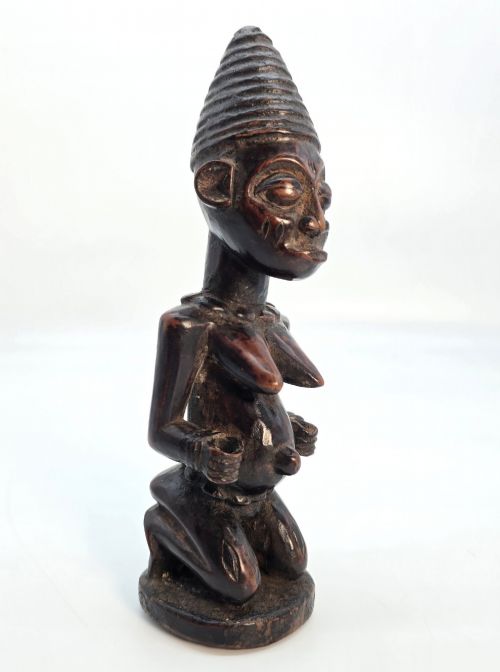
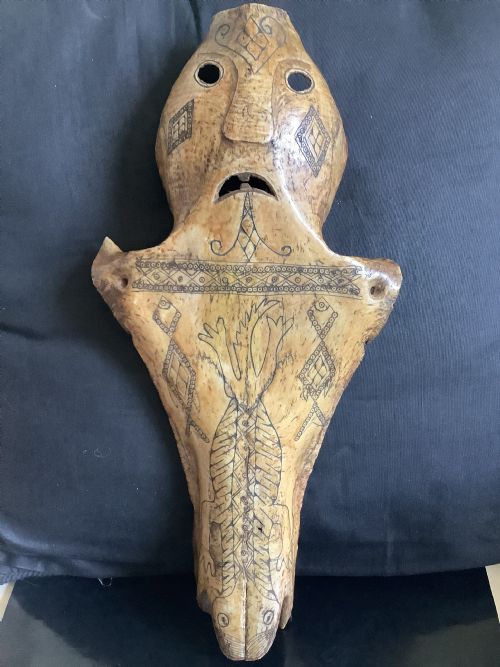
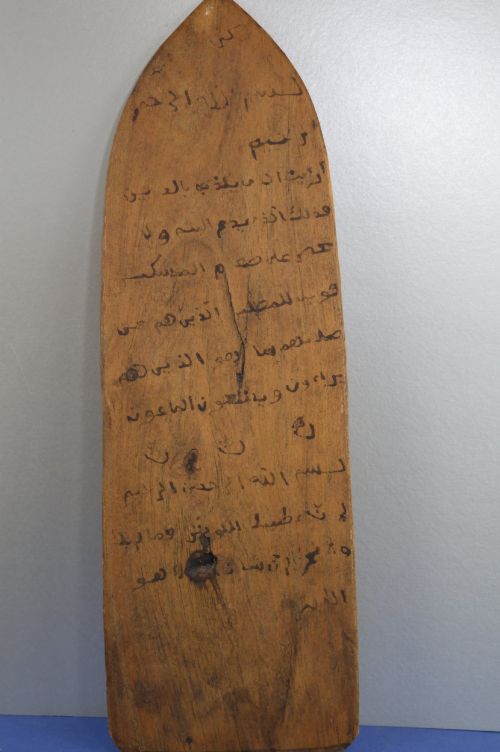
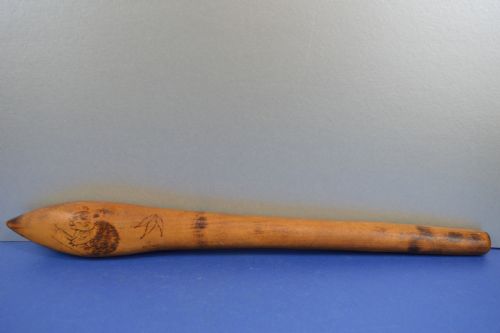
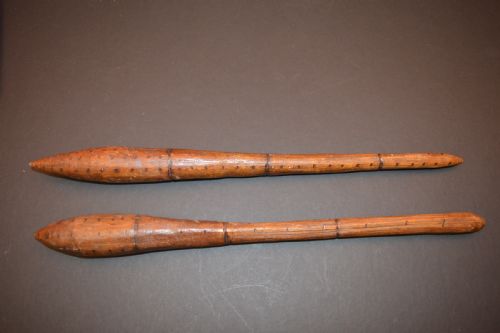
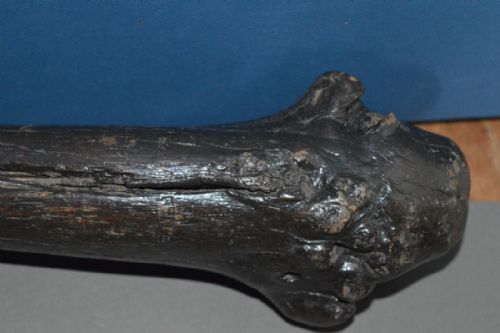
Geographic origins and cultural groups are well represented through specific items, including West African Islamic scholar boards, Atoni bone skulls from west Timor, Yoruba bronze busts from Nigeria, and Turkana fighting wrist knife bracelets from Kenya. Buyers also find Australian Aboriginal nulla-nulla clubs, Polynesian ribbed paddle clubs, and Fijian vunikau war clubs.
How they were made
Maker communities relied on indigenous organic and metal resources, primarily fashioning pieces from hardwood, bone, fibre, wood, iron, and leather. Sculptors and craftspeople shaped dense timbers and animal bones using traditional hand tools, often finishing surfaces with a deep natural patina and occasionally adding ink inscriptions.
Metalworking techniques appear in specific regional items, such as the casting of bronze Yoruba busts and the forging of iron weaponry like the Turkana fighting wrist knife bracelet. Organic elements like plant fibre are utilised for bindings and hanging mechanisms on bowls and clubs, completing the construction of these utilitarian and ceremonial works.
Ethnographic Artifact Retail Price Guide 2026
Typical asking prices for ethnographic artifact among the pieces listed under this phrase on Sellingantiques today, from the lower quarter to the upper quarter. They describe what is for sale here now, not the wider market.
Materials documented across the inventory include hardwood, bone, fibre, wood, iron, leather, patina, and ink.
What varies in quality
Quality rests upon the crispness of the carving, the integrity of the material, and the depth of the patination built up through handling and age. Pieces that retain strong cultural iconography and clear regional attribution stand apart from more generic or heavily altered examples.
The survival of original surface details, such as indigenous ink script on prayer boards or the intricate ribbing on paddle clubs, dictates the desirability of a piece. Condition also plays a role, with untouched surfaces and complete organic attachments commanding greater appreciation among serious collectors.
The Ethnographic Artifact Glossary
- Patina
- The surface sheen and coloration developed through years of handling, ageing, and environmental exposure. A rich patina is a key indicator of age and genuine use.
- Nulla-nulla
- A traditional Australian Aboriginal heavy wooden club or throwing stick used for hunting and combat. These implements feature dense hardwood construction.
- Vunikau
- A traditional Fijian war club fashioned from the rootstock of a tree. They are known for their heavy, formidable heads and historical use in warfare.
- Scholar board
- A wooden tablet utilised in Islamic West Africa for writing and washing away Korans with ink during religious study. They often bear genuine Islamic script.
- Tribal art
- The creative output of indigenous peoples from Africa, Oceania, and the Americas. This term encompasses both utilitarian objects charged with ritual meaning and dedicated sculptures.
Ethnographic Artifact: Frequently Asked Questions
What is an ethnographic artifact?
An ethnographic artefact is an object created by an indigenous community, reflecting their cultural, religious, or utilitarian practices. These items range from ceremonial weapons and religious boards to carved figures and bowls.
They serve as historical records of material culture, often carrying deep symbolic meaning specific to the region and people who made them.
How old are these tribal pieces?
The pieces seen here predominantly date from the eighteenth and nineteenth centuries, with some early twentieth-century examples included. Dating is determined by the materials, wear patterns, and historical context of the cultures involved.
Items from this era reflect traditional methods before mass-trade goods altered indigenous craftsmanship.
How do I display tribal art?
Tribal sculptures and utilitarian objects require stable display environments away from direct sunlight and extreme humidity fluctuations. Using bespoke metal mounts allows three-dimensional pieces like busts and clubs to be viewed securely.
Allowing sufficient space around each object highlights their sculptural forms and material textures.