






Ethnic Textile Wall Art
These ethnic textile wall art pieces bring centuries of tribal heritage and rich textile traditions directly into your living spaces.
Ethnic Textile Wall Art
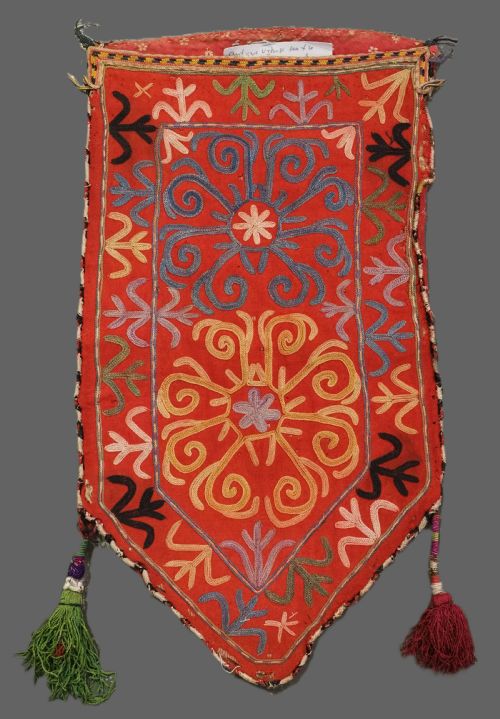
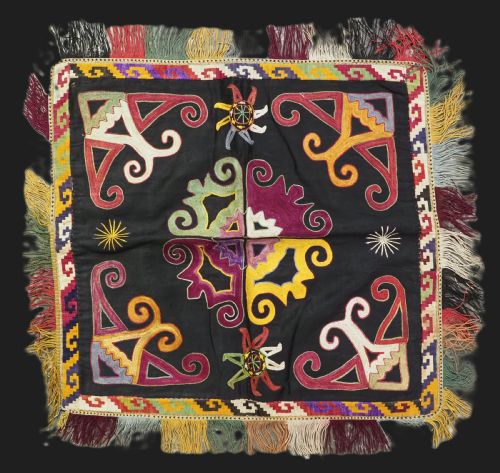
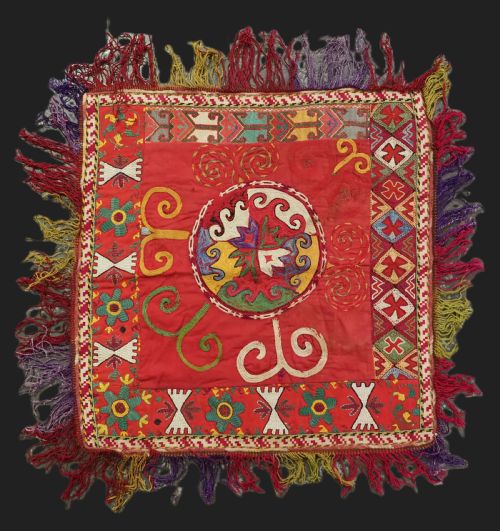
The selections span the mid-nineteenth century through to the mid-twentieth century, capturing domestic items repurposed or originally created for display. These textiles range from Kyrgyz yurt wall hangings and Uzbek Suzanis to Indonesian ikat panels and ceremonial coats.
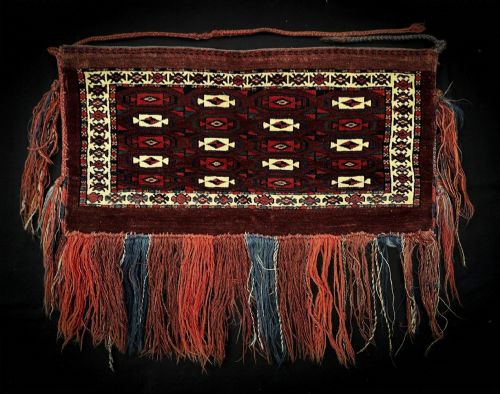
Regional variations define the aesthetic, with nomadic groups from the Trans-Caspian steppes and Persian provinces contributing distinct geometric patterns and symbolic motifs. Each piece serves as a physical record of the specific tribe or community that produced it.
Materials and Construction
Maker communities relied predominantly on natural fibres including cotton, wool, hand-spun wool, and silk, often embellished with fine silk thread. These materials were gathered locally or traded along historic routes, then spun and dyed by hand.
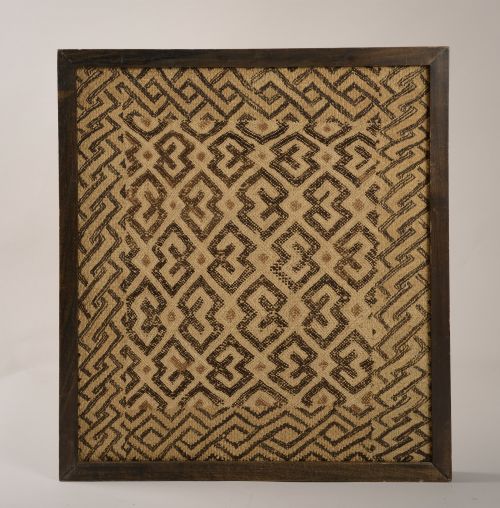
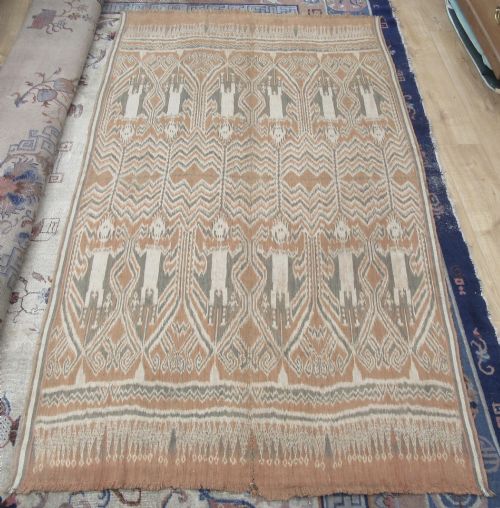
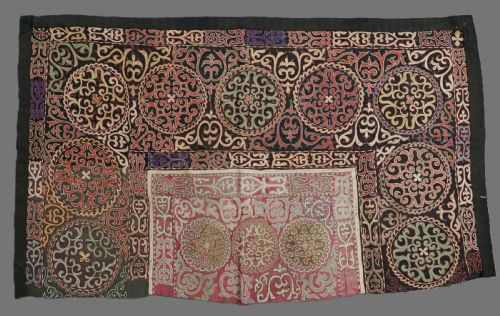
Construction techniques involve complex needlework, such as the dense silk embroidery found on Lakai ilgiches and Tashkent Suzanis, alongside traditional weaving methods seen in Ikat panels and Kuba raffia tapestries. Wood and glass beads occasionally supplement the textiles for added texture.
Ethnic Textile Wall Art Retail Price Guide 2026
Typical asking prices for ethnic textile wall art among the pieces listed under this phrase on Sellingantiques today, from the lower quarter to the upper quarter. They describe what is for sale here now, not the wider market.
Several embroidered wall hangings started life as dowry items meticulously stitched by brides hoping to impress their new extended families.
Assessing Quality and Execution
Quality in these textiles rests upon the intricacy of the needlework, the fineness of the spin in the wool or silk, and the preservation of the original structure. Dense, precise embroidery and balanced compositions distinguish superior examples from simpler utilitarian objects.
The vibrancy and condition of the materials also dictate the standing of a piece, with intact dyes and secure foundations marking the upper tier of surviving works.
The Ethnic Textile Wall Art Glossary
- Ikat
- A dyeing technique where yarns are pattern-dyed before being woven into complex panels.
- Kuba cloth
- A textile woven from raffia palm fibre by the Kuba peoples of Central Africa, known for geometric pile cloth designs.
- Torba
- A small ornamental wall-hanging or bag face originating from Turkmen and Central Asian nomadic traditions.
- Tush kyiz
- Large, elaborately embroidered wall hangings traditionally made in Kyrgyzstan by women to commemorate marriage.
Ethnic Textile Wall Art: Frequently Asked Questions
How were these textiles originally used?
Many of these pieces served practical or ceremonial functions within nomadic and tribal households before becoming display items. Items like Suzanis and ilgiches formed vital parts of traditional dowries and interior tent furnishings.
Other examples functioned as storage bags, bedding decorations, or ceremonial garments. Their transition to wall art preserves these cultural artefacts for modern interiors.
How do I hang a textile safely?
Hanging ancient textiles requires methods that distribute weight evenly across the fabric to prevent tearing or stretching. Professional mounting using a hidden fabric sleeve and a supportive backing board is standard practice.
Avoid direct sunlight and high humidity to protect natural fibres and traditional plant or insect dyes from fading or degradation over time.
How can I tell regions apart?
Regional attribution relies heavily on the specific motifs, colour palettes, and stitching techniques characteristic of distinct tribes. Central Asian pieces often feature bold geometric or floral Suzani embroidery, while African works display distinct raffia weaves.
Familiarity with the aesthetic signatures of groups such as the Lakai, Yomut, or Kuba provides clear clues to geographical origins.
What periods do these pieces come from?
The available selection spans from the mid-nineteenth century through the early decades of the twentieth century. Earlier items date back to the middle and late eighteen-hundreds, reflecting traditional nineteenth-century nomadic life.
Twentieth-century examples include mid-century Kuba cloths and later regional embroideries, offering a timeline of evolving tribal textile traditions.