






Ethnic Central Asian Textile
When you search for an ethnic central asian textile, you uncover striking embroidered panels, ceremonial coats, and wall hangings crafted by tribal makers across the region.
Ethnic Central Asian Textile
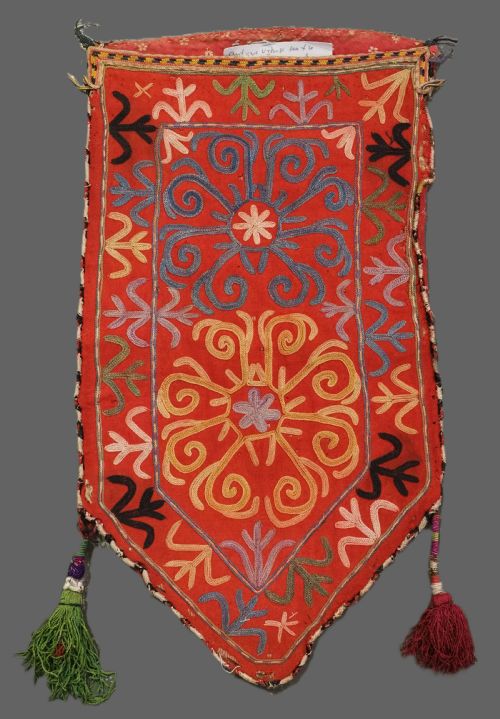
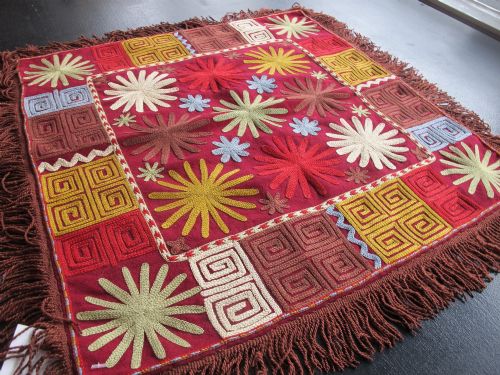
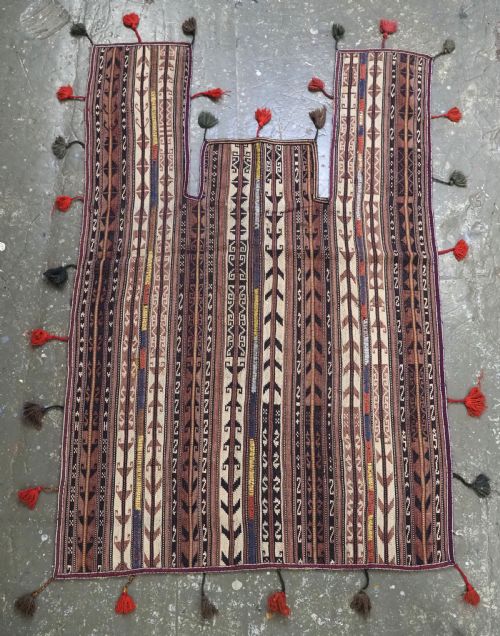
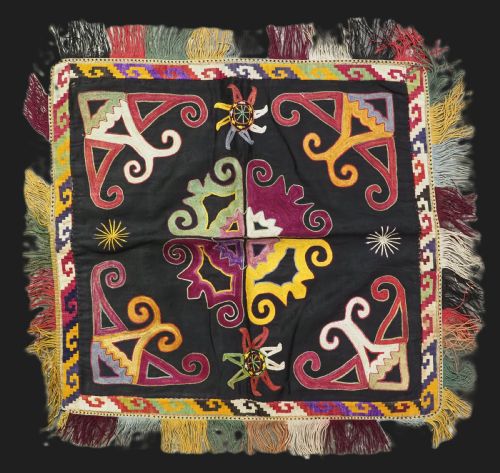
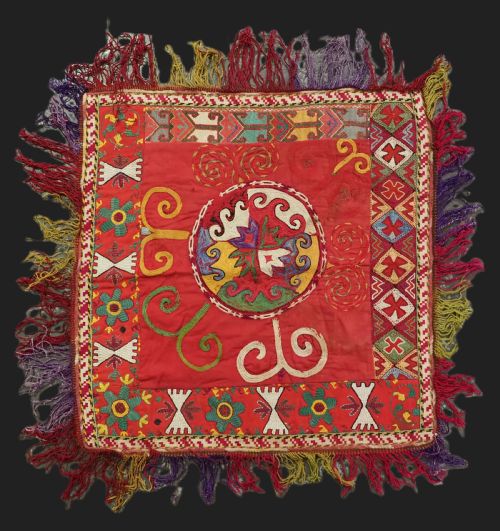
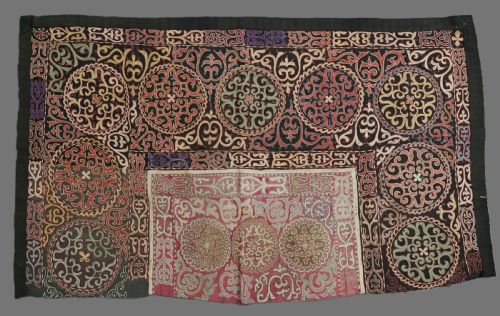
Buyers looking for an ethnic central asian textile will encounter an array of wall hangings, dowry embroideries, yurt decorations, and ceremonial horse covers originating from nineteenth and early twentieth-century communities. The most frequent pieces on this page are Uzbek Lakai tribe ilgich panels, Turkmen tent bags, and silk suzani hangings produced in regions such as Shakrisabz and Bukhara.
These items reflect specific tribal traditions, ranging from the geometric designs of Yomut and Teke groups to the bold graphic panels of the Lakai Uzbeks and Kyrgyz yurt furnishings. Collectors select them for their intense visual impact, historical depth, and intricate handmade construction.
Materials and construction
Makers constructed these works using natural foundations of hand-spun wool, standard cotton, and woven silk, building surfaces rich in texture and depth. Workers embroidered motifs using vibrant silk thread, occasionally incorporating wool fringes and glass beads to accentuate ceremonial covers and wall hangings.
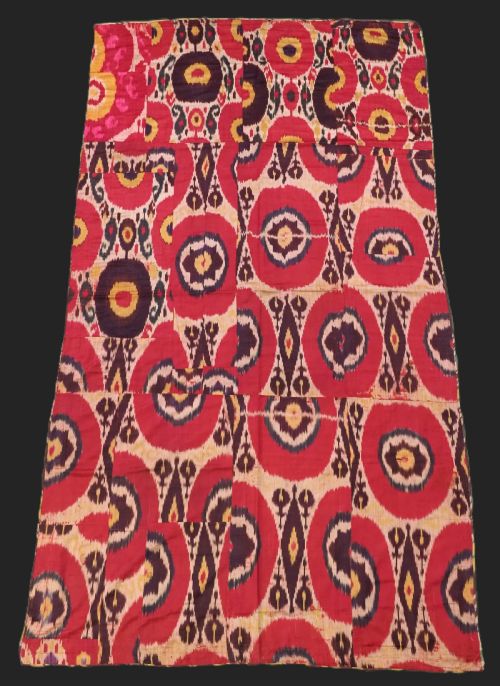
The application of ikat dyeing techniques on silk fabric panels and the dense needlework found on suzani prayer formats demonstrate complex textile traditions passed down through generations. Artisans combined these natural materials with meticulous hand-stitching to ensure durability for domestic display and ceremonial use.
Materials recorded across these objects include hand-spun wool, cotton, silk thread, glass beads, and wool fringe.
Assessing quality in regional textiles
Quality rests upon the density of the embroidery work, the complexity of the design layout, and the preservation of the ground material. Pieces featuring full-work coverage and harmonious natural dye palettes display greater artistic ambition than simpler variants.
The precision of the needlework and the vitality of the graphic composition distinguish standard utilitarian objects from exceptional dowry pieces and ceremonial garments. Well-preserved examples maintain structural integrity in their cotton or wool grounds while retaining vivid colour distribution across the silk thread.
The Ethnic Central Asian Textile Glossary
- Suzani
- An embroidered textile panel originating from Central Asia, traditionally made as part of a bride's dowry. These pieces typically feature silk needlework on a cotton or linen ground.
- Ikat
- A dyeing technique where yarn is resist-dyed before being woven into fabric, producing characteristic blurred pattern edges. This method creates distinctive geometric and floral motifs on silk panels.
- Ilgich
- A specific type of embroidery produced by the Lakai tribe in Uzbekistan, frequently used for wall hanging or decorative domestic purposes. These works display energetic and abstracted geometric patterns.
- Torba
- A small hanging bag used within nomadic tents for storage, often woven by Turkmen tribes. They feature detailed tribal guls and wool construction.
- Chyrpy
- A traditional ladies ceremonial coat worn in Central Asia, heavily embroidered with silk thread. These garments served as status markers within tribal communities.
Ethnic Central Asian Textile: Frequently Asked Questions
How were central asian textiles used?
Nomadic and settled communities utilised these textiles as wall hangings, dowry furnishings, ceremonial horse covers, and personal garments within the home or during rituals. Items like yurt bands and tent bags served both practical storage functions and decorative roles.
Larger suzani panels adorned interior walls during celebrations, while embroidered coats and purses functioned as wearable art and status indicators. Each format fulfilled specific social or domestic requirements within tribal daily life.
How do I care for an antique textile?
Protect antique silk and wool pieces from direct sunlight to prevent dye fading and fibre degradation over time. Mount wall hangings with weight-distributing support systems rather than hanging them by single attachment points.
Avoid chemical cleaning methods and consult a textile conservator for professional maintenance if cleaning becomes necessary. Maintaining stable indoor humidity levels prevents natural fibres from becoming brittle.
How can I tell tribal styles apart?
Tribal styles differ through distinct colour palettes, structural motifs, and embroidery techniques characteristic of specific regional groups. Yomut and Teke Turkmen items often feature repeated geometric guls, whereas Lakai Uzbek pieces display dynamic, unstructured abstract applique and embroidery.
Suzanis from Shakrisabz or Tashkent utilise large floral vine scrolls and prayer formats that contrast with nomadic animal trappings. Examining the backing material and stitch density further clarifies the origin of the piece.
What period do most pieces date from?
The majority of available items date from the late nineteenth century through the early twentieth century, spanning roughly eighteen-fifty to nineteen-thirty. This era encompasses peak periods of traditional tribal textile production before industrial dyes and mechanized looms became widespread.
Earlier nineteenth-century examples often display distinct natural dye variations, while early twentieth-century pieces reflect evolving regional trade influences. Dating relies upon material analysis, stylistic conventions, and historical construction methods.