





Etched Shade Table Light
An etched shade table light brings ambient warmth and nineteenth-century domestic character to a room through decorative glass and metalwork.
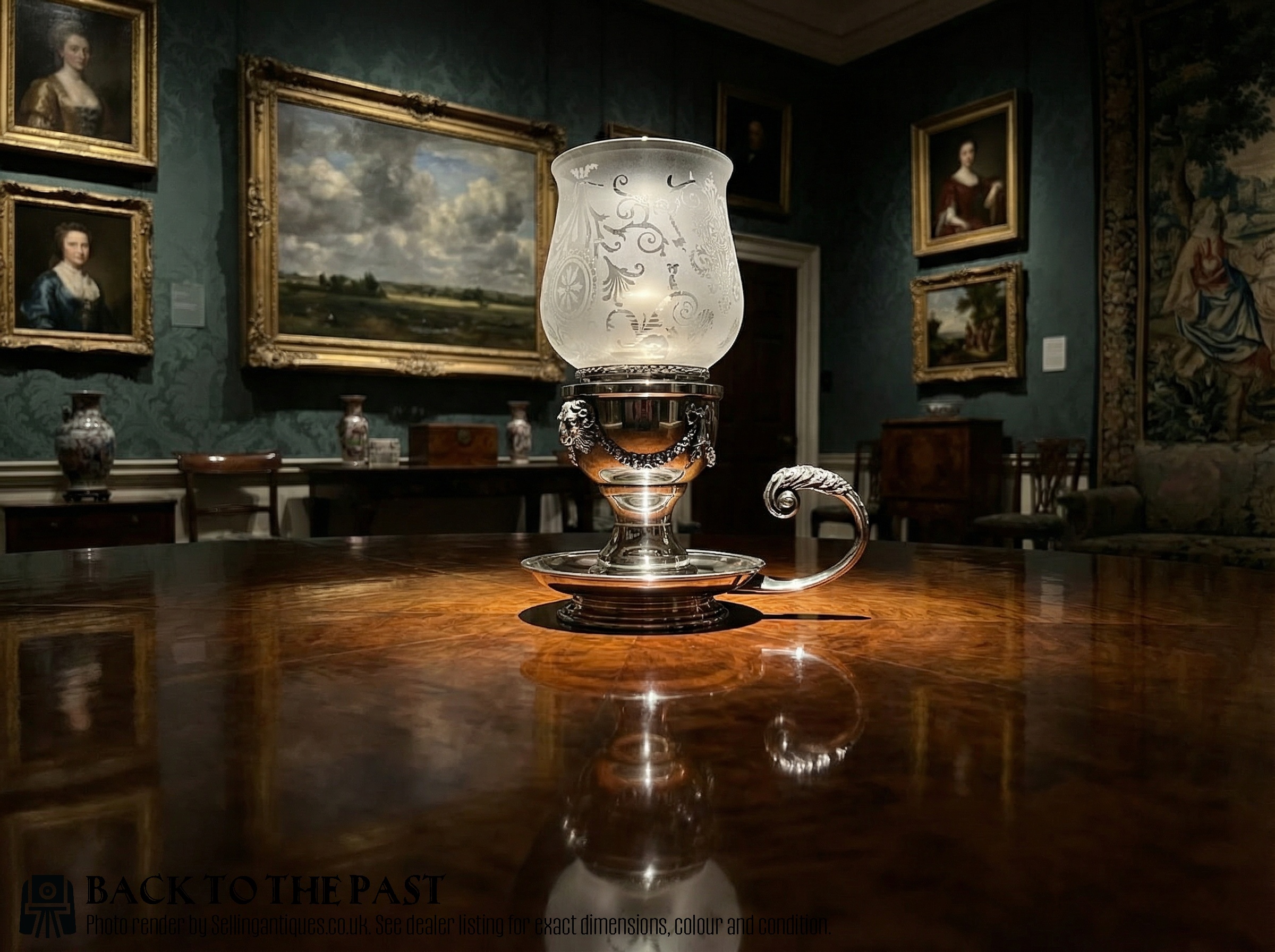
Etched Shade Table Light
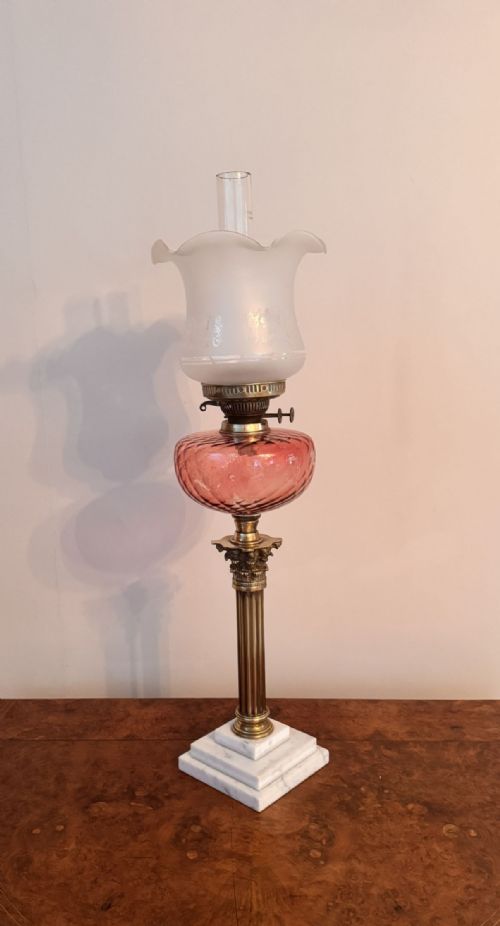
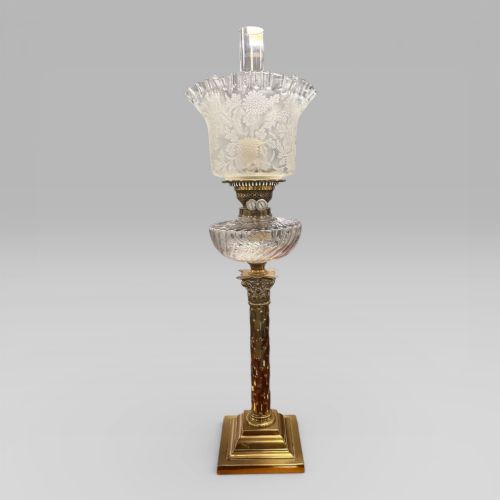
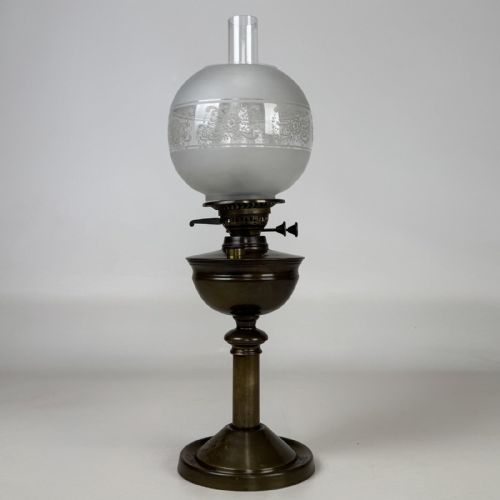
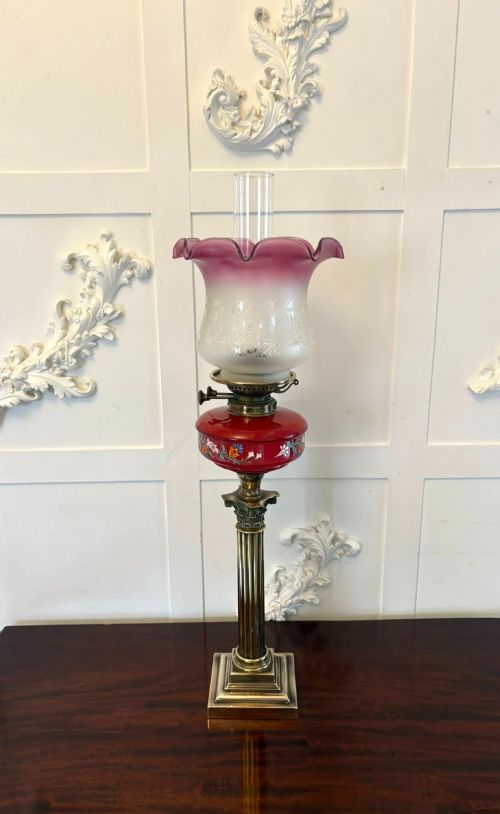
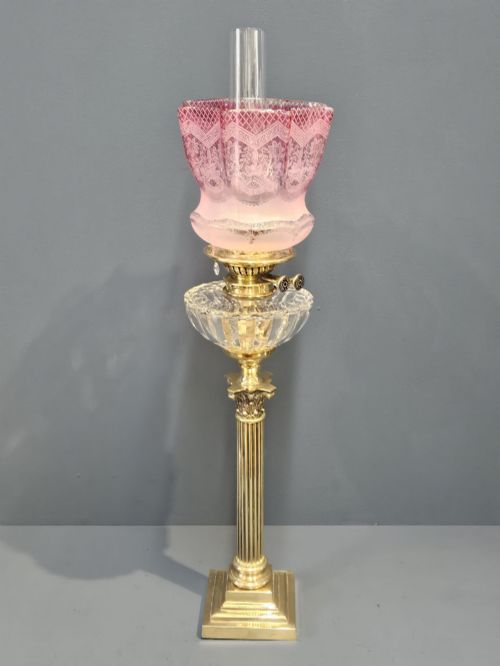
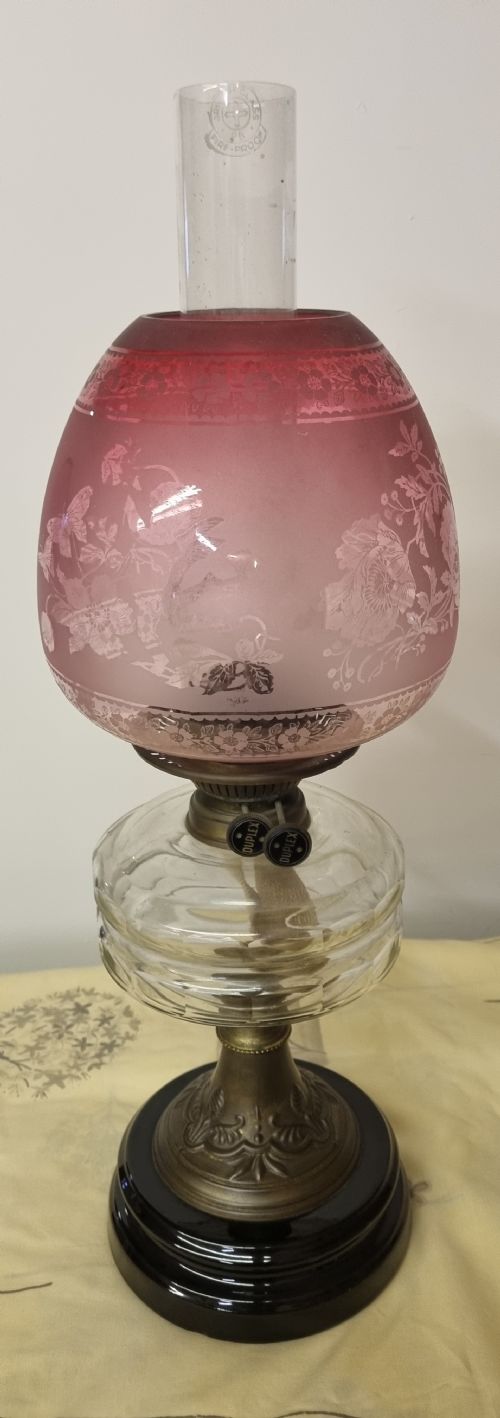
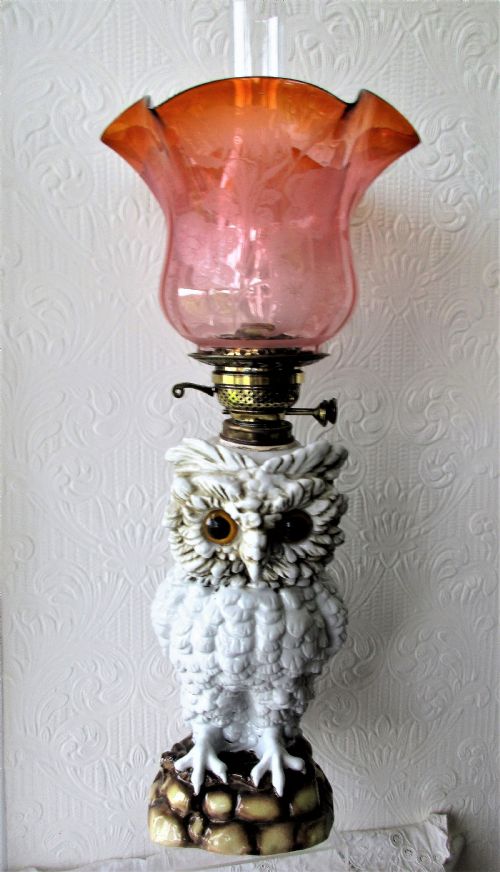
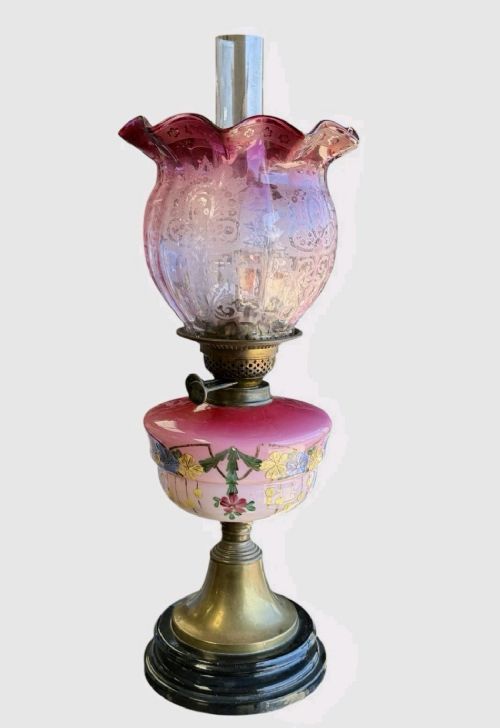
When you search for an etched shade table light, you encounter nineteenth-century lighting forms that originated as oil and paraffin lamps before later conversions. The selection here centres primarily on Victorian and Edwardian examples featuring decorative glass shades paired with metal columns or ceramic fonts.
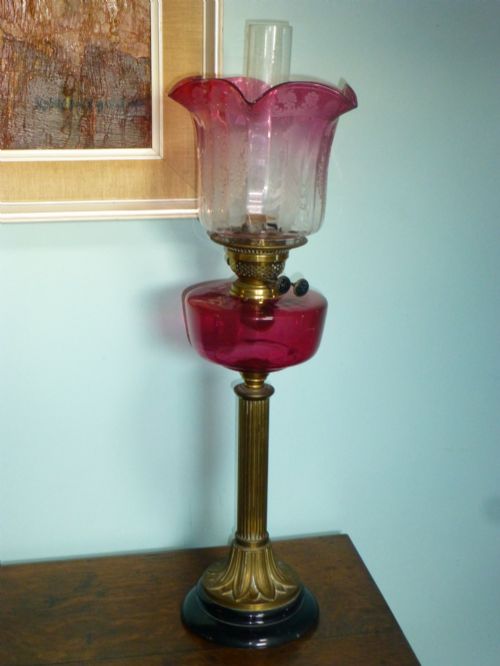
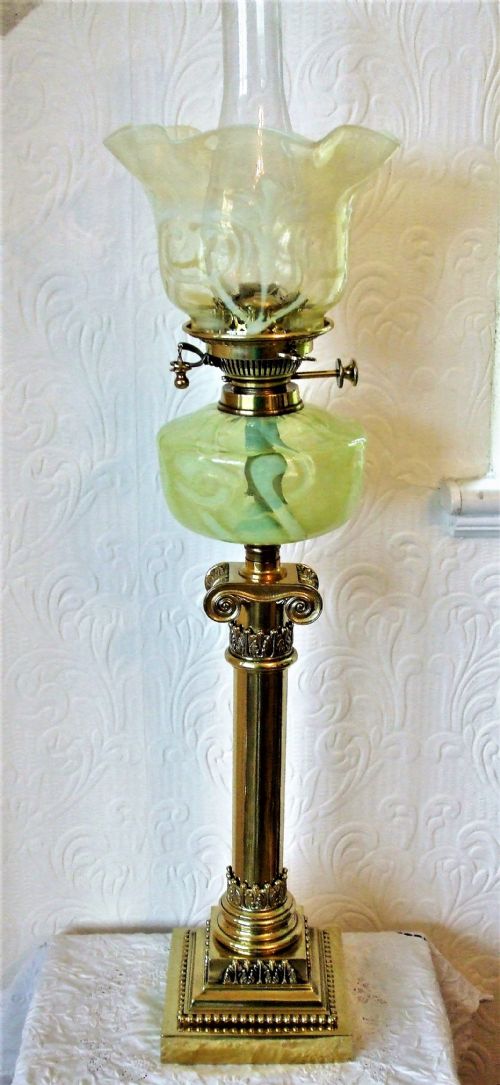
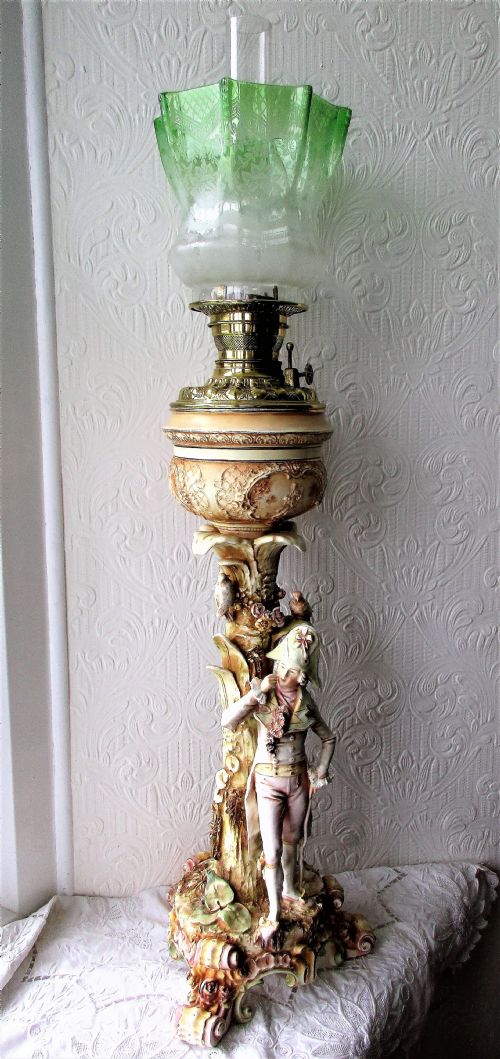
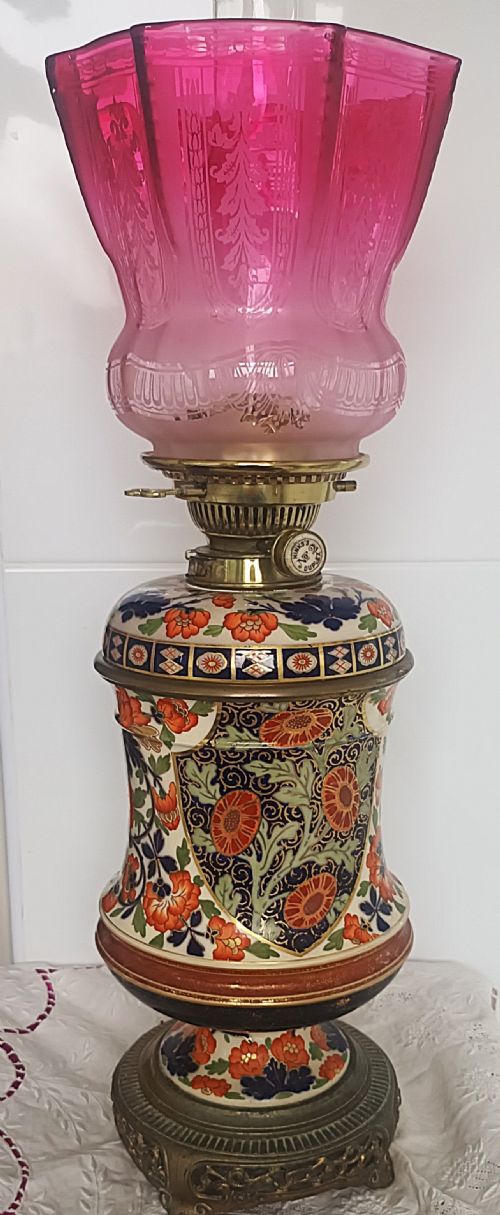
The prevailing forms on this page include column oil lamps, figural designs, and adjustable desk lamps originating from British and European workshops. These pieces combine functional illumination with period decorative arts, utilising materials such as brass, porcelain, and cranberry glass.
Buyers select these items to anchor a room scheme with period authenticity, relying on the contrast between polished metal bases and frosted or etched glass elements. The physical presence ranges from modest desk lamps to substantial Corinthian column oil lamps.
How they were made
Makers constructed the bases and columns of these lamps using cast brass, silver plate, or glazed ceramics such as porcelain. Metal components were often turned on lathes, chased, or cast in classical architectural orders like the Corinthian style.
The glass shades and fonts demonstrate techniques such as acid etching, hand painting, and casing, particularly with cranberry, ruby, or frosted glass. Burner assemblies frequently incorporate patented mechanisms from notable period makers to regulate the flame safely.
Etched Shade Table Light Retail Price Guide 2026
Typical asking prices for etched shade table light among the pieces listed under this phrase on Sellingantiques today, from the lower quarter to the upper quarter. They describe what is for sale here now, not the wider market.
Certain Victorian glass spirit dispensing barrel lamps allowed hosts to pour a dram directly from the lighting arrangement.
What varies in quality
The distinction between standard and superior pieces rests on the crispness of the casting detail in the brass or porcelain body and the depth of the glass etching. High quality examples display sharply rendered acanthus leaves on Corinthian columns and finely proportioned glass tulips without distortion.
Proportion and material weight also determine quality, with premier items utilising heavy gauge metals, matched pairs, or substantial figural elements rather than mass-produced stamped components. The integration of original burners and undamaged coloured glass shades elevates the standing of any piece.
Hinks of Birmingham·Taylor Tunnicliff·Sitzendorf
The Etched Shade Table Light Glossary
- Duplex burner
- A double-wick burner system designed to produce a brighter light output than single-wick alternatives. This mechanism appears frequently on larger nineteenth-century oil lamps.
- Font
- The reservoir that holds the oil or paraffin beneath the burner. Fonts are commonly rendered in coloured glass, porcelain, or brass.
- Corinthian column
- An architectural column style featuring ornate acanthus leaf capitals, frequently utilised for the stems of Victorian table lamps. This classical revival form denotes a grander scale.
- Cranberry glass
- A rich red-pink glass created by adding gold chloride to the molten batch. It defines many decorative shades and vessels from the Victorian period.
- Etched glass
- Glass decorated by applying acid to eat away exposed areas, leaving a frosted pattern. This technique creates the diffuse light characteristic of period shades.
Etched Shade Table Light: Frequently Asked Questions
What is an etched shade table light?
An etched shade table light is a period domestic lighting fixture, typically originating from the Victorian or Edwardian eras. These pieces combine a decorative glass shade with a metal, ceramic, or glass base.
Most examples in this category began as oil or paraffin lamps before modern adaptation. They provide both functional illumination and distinct nineteenth-century decorative character.
How do I identify a Victorian lamp?
Victorian lamps are identified through characteristic materials, manufacturing techniques, and stylistic markers such as Corinthian columns or French Rococo revival motifs. The integration of hand-painted porcelain or cranberry glass fonts is also typical of this period.
Makers' marks on the brass burner mechanism, such as Hinks, often provide a definitive production era. Heavy cast brass components and acid-etched glass shades further anchor the pieces in the nineteenth century.
Were these lamps converted to electricity?
Many surviving nineteenth-century oil lamps undergo careful conversion to electricity to enable modern domestic use. This process typically retains the original brass column, ceramic body, and glass shade while updating the internal wiring.
Some examples preserve their original burner fittings alongside the conversion, maintaining the visual integrity of the historic object. Collectors weigh the presence of original parts against the practicality of modern fittings.
How do I clean a glass shade?
Cleaning etched glass shades requires gentle hand washing with warm water and mild soap to protect the delicate frosted surface. Avoid harsh abrasurs that might damage the acid-etched patterns or hand-painted details.
Allow the shade to dry completely before refitting it to the lamp base. Regular dusting helps preserve the clarity of the glass without risking moisture damage to older metal elements.
Where should I place my table lamp?
A period table lamp suits spaces where its height and decorative glass work can serve as a focal point. Credenzas, sideboards, and large side tables provide stable surfaces that support the substantial weight of brass and ceramic bases.
Positioning the light away from high-traffic areas protects delicate cranberry glass shades and figural porcelain components from accidental knocks.