

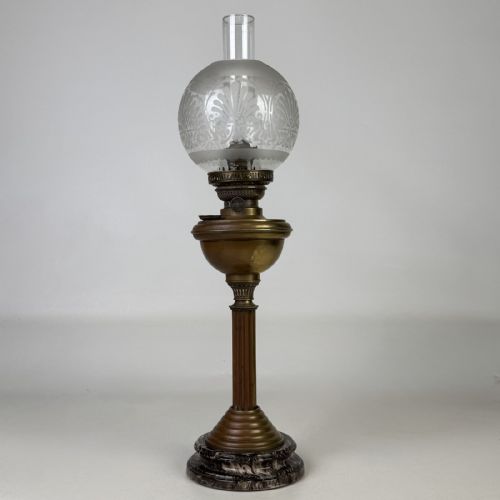
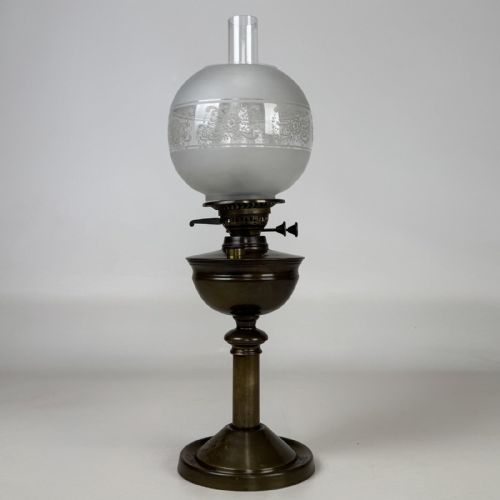
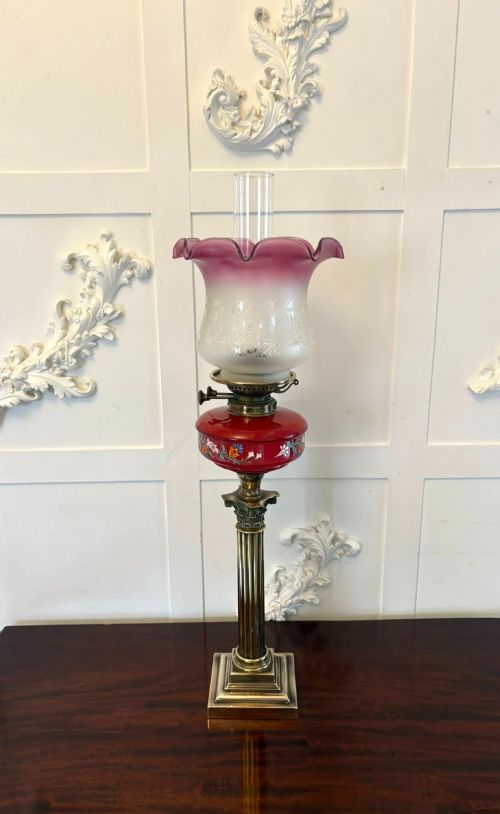


Etched Glass Desk Light
These etched glass desk light examples bring period illumination to a workspace, combining brass and frosted glass for a focused, historic glow.
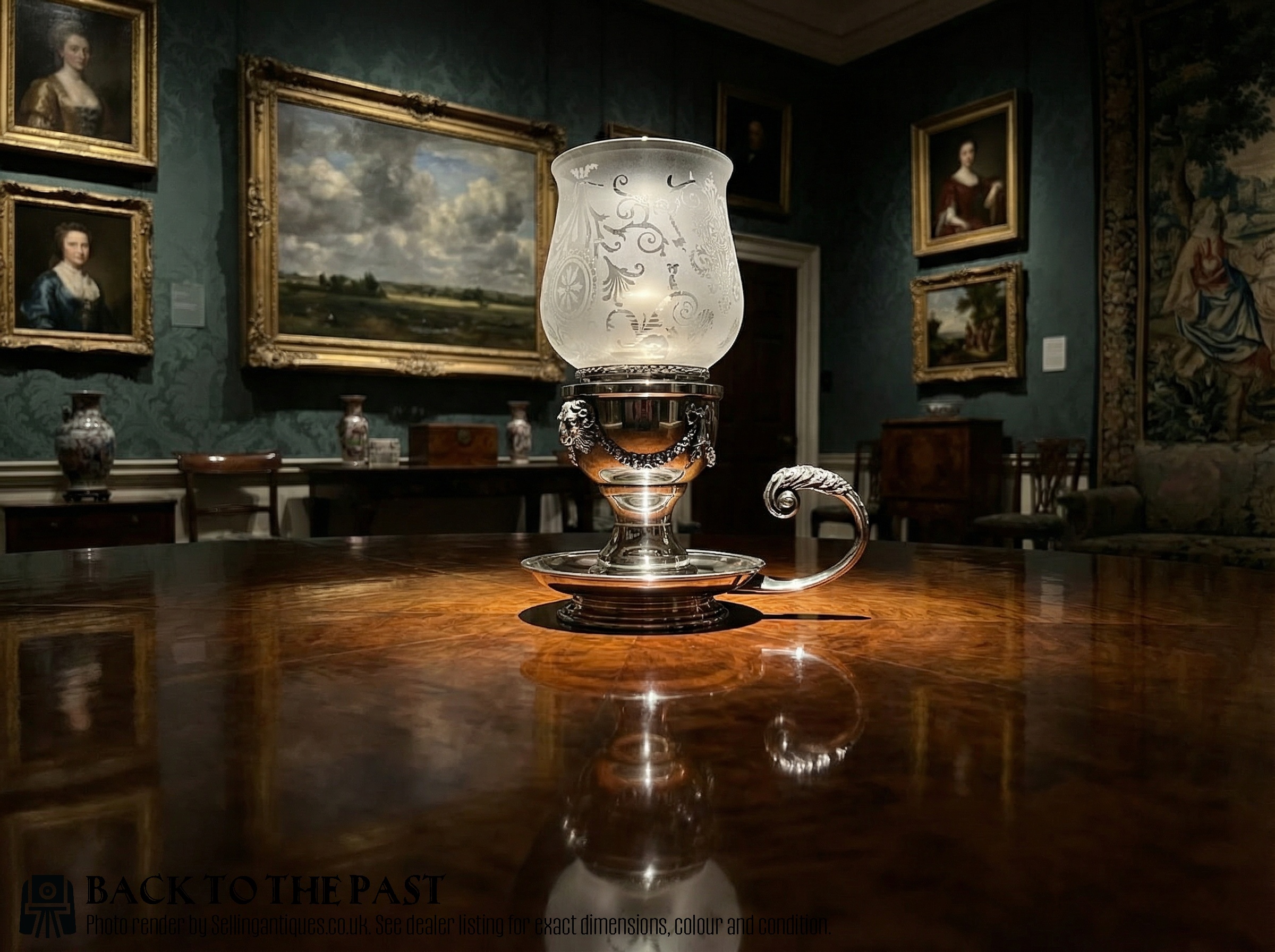
Etched Glass Desk Light
When you search for an etched glass desk light, you are looking at functional Victorian, Edwardian, and Art Deco illumination adapted from earlier oil lamps or built as early electric desk lamps. The selection spans table lamps, oil lamps, and specific desk lamps from the nineteenth century to nineteen thirty.
Brass forms the structural core of most pieces, frequently paired with glass, frosted glass, or enamel shades. You encounter variations featuring ruby etched glass shades alongside ebonised wood bases and silver plated components.
The aesthetic ranges from ornate French Chateau and Art Nouveau motifs to clean geometric Art Deco lines. Most options combine metalwork stands with decorative glass reservoirs or shades.
Materials and construction methods
Manufacturers built these desk and table lamps using heavy cast brass, bronze, and silver plate for the structural frames and columns. Metal components often received hand-finished patination or detailed chasing before assembly.
Shades and reservoirs utilise blown glass, which workers then treated with frosted finishes, enamel painting, or acid etching to create detailed decorative patterns. Crystal and glass beads occasionally supplement the main shade elements.
Etched Glass Desk Light Retail Price Guide 2026
Typical asking prices for etched glass desk light among the pieces listed under this phrase on Sellingantiques today, from the lower quarter to the upper quarter. They describe what is for sale here now, not the wider market.
Some nineteenth-century spirits dispensing barrels double unexpectedly as table lamps.
Distinctions in craftsmanship
Quality rests in the weight of the metal casting and the crispness of the acid etching or enamel work on the glass. Finer pieces display sharply rendered winter landscapes or botanical motifs rather than shallow surface scratching.
The integrity of the original mounts, burners, and collar assemblies separates standard utility lighting from superior examples. Maker signatures, such as those by Karl Palda or Daum, elevate the execution of the glasswork.
Daum·Karl Palda·Gaggenau
The Etched Glass Desk Light Glossary
- Acid etching
- A decoration technique where hydrofluoric acid cuts into the glass surface to produce opaque patterns. This method creates the tactile designs found on period lamp shades.
- Brass
- An alloy of copper and zinc used extensively for nineteenth-century lamp bases and stems. It provides durability and takes a polished or patinated finish.
- Frosted glass
- Glass treated to scatter light and reduce transparency, often achieved through acid-dipping or sandblasting. It softens the glare of early electric bulbs and oil flames.
- Silver plate
- A thin layer of silver applied to a base metal core such as brass or copper. It offers the appearance of solid silver while maintaining structural rigidity.
- Swan neck
- A curved metal arm shape common on early twentieth-century desk lamps. This profile directs the light downward onto a workspace.
Etched Glass Desk Light: Frequently Asked Questions
How do I date an etched glass desk light?
Dating relies on stylistic markers such as brass casting details, the presence of oil lamp conversions, and distinct design movements like Art Nouveau or Art Deco. Materials like ebonised wood and silver plate also point to specific manufacturing decades.
Examination of the glass etching technique and burner mechanisms provides further chronological clues, distinguishing Victorian examples from later twentieth-century productions.
Were these originally oil lamps?
Many desk and table lamps from the Victorian and Edwardian eras started as paraffin or oil lamps before later conversion to electricity. These pieces retain original brass collars, burners, or reservoirs.
Others were manufactured specifically as electric desk lamps or incorporated art glass shades from the outset during the nineteen-twenties and thirties.
How do I clean an etched glass shade?
Cleaning requires warm water and mild soap applied with a soft cloth to protect the frosted or acid-etched surfaces. Harsh abrasives must be avoided to prevent damage to enamel decorations.
Metal components like brass and bronze benefit from dry dusting or specialised metal cleaners used cautiously away from the glass panels.
Can I use modern bulbs in these lamps?
Modern low-wattage LED bulbs fit most converted desk lamps, provided the vintage socket matches current electrical standards. Low heat output protects fragile nineteenth-century glass shades.
Consulting a qualified electrician ensures the historic wiring and brass fittings meet safety requirements for daily workspace use.