



Antique German Lamp
An antique german lamp brings continental craftsmanship into your room, combining hand-painted porcelain or carved wood with period metalwork.
Antique German Lamp
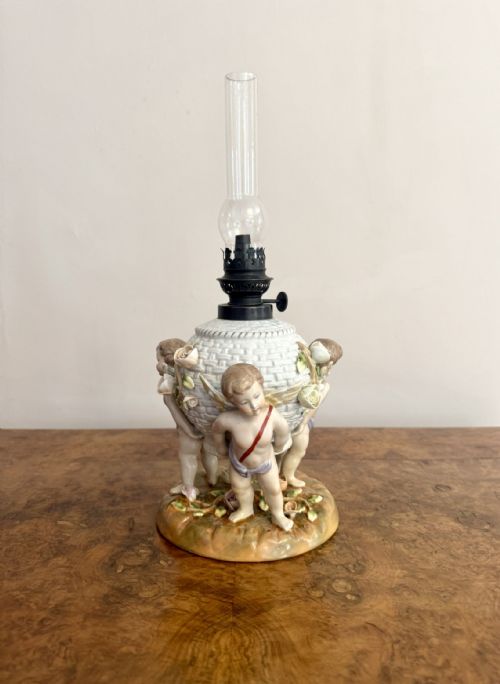
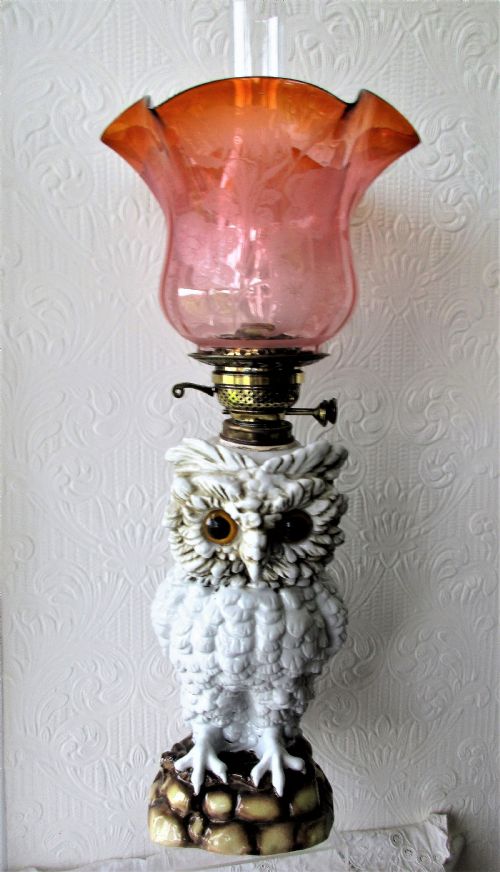
When you search for an antique german lamp, you encounter a varied selection spanning the nineteenth and early twentieth centuries. The pieces range from figural porcelain oil lamps featuring owls or cherubs to carved linden wood Black Forest standards and table lamps by renowned makers.
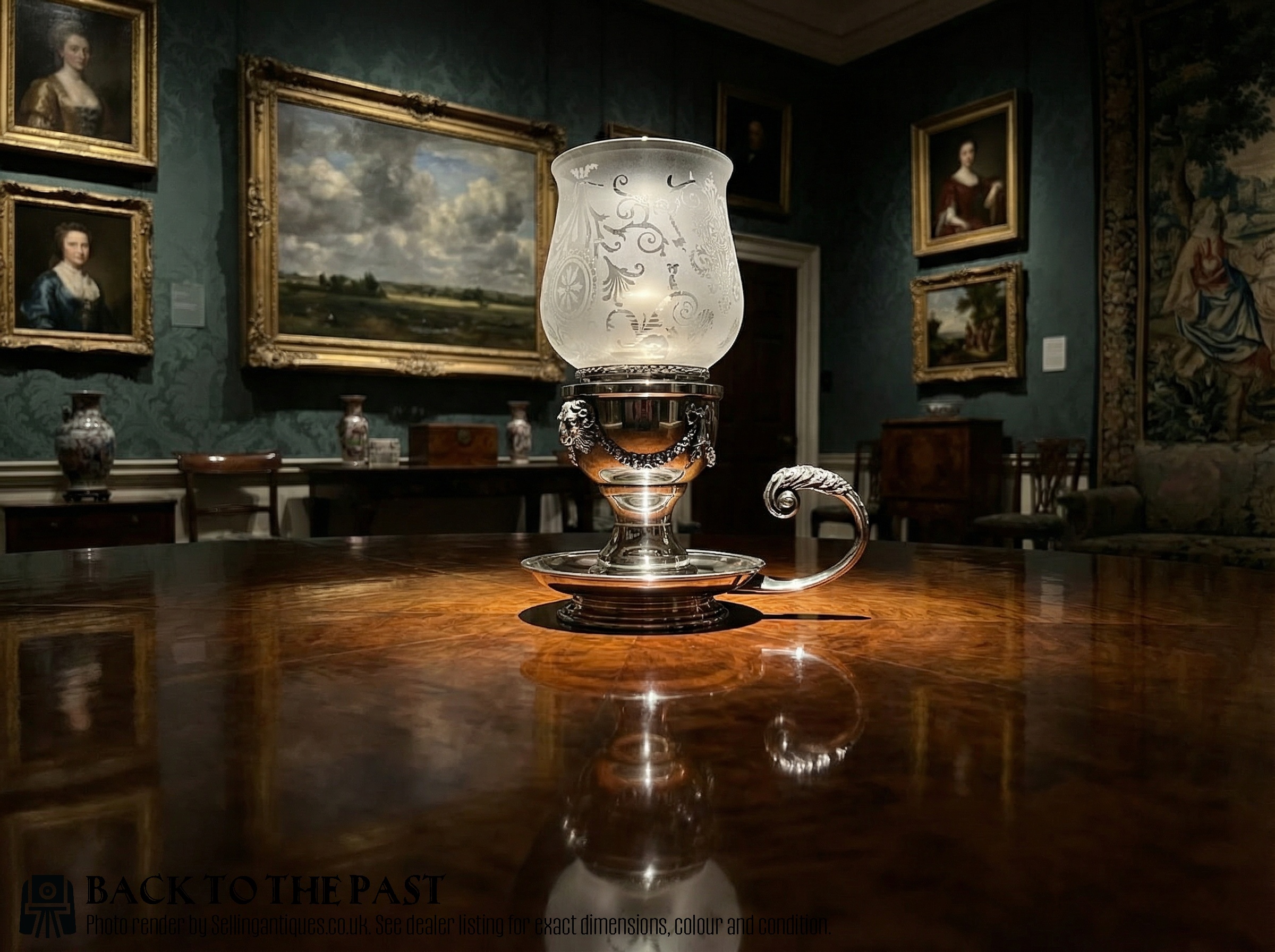
Porcelain examples from Sitzendorf and Meissen dominate the selection, often taking the form of figural oil lamps or decorated bases fitted for electricity later. You also find metal and glass works from factories like WMF, alongside carved oak and linden wood furniture pieces incorporating integrated lighting.
The aesthetic vocabulary stretches from ornate Rococo Revival and Victorian novelties through to flowing Art Nouveau and geometric Art Deco designs. These objects reflect the changing domestic lighting technology and stylistic shifts across German workshops from eighteen hundred onwards.
Assessing quality in period lighting
Quality in an antique german lamp rests upon the crispness of the porcelain modelling and the fidelity of the hand-painting. Superior figural pieces show fine detail in feathers, facial expressions, and applied floral decoration without blurring in the glaze.
The integrity and weight of the metal mountings and burner mechanisms dictate the tier of production. Maker signatures, such as stamps by Gaggenau or WMF, separate standard commercial output from the finest workshop commissions.
Carved wooden examples depend on the depth and definition of the chisel work, particularly in Black Forest animal and foliage motifs. Retaining original burner components and matching shades elevates the integrity of surviving oil lamps.
Antique German Lamp Retail Price Guide 2026
Typical asking prices for german lamp among the pieces listed under this phrase on Sellingantiques today, from the lower quarter to the upper quarter. They describe what is for sale here now, not the wider market.
Spitz dogs and wide-eyed owls gaze out from porcelain oil lamp bases, keeping watch over the Victorian mantelpiece.
Sitzendorf·Meissen·Karl Ens·Wild and Wessel·WMF·Ernst Bohne and Sohn·Anton Buschelberger·Gaggenau
The Antique German Lamp Glossary
- Hard-paste porcelain
- A dense ceramic material fired at high temperatures, used widely by factories like Meissen and Sitzendorf for durable figural lamps.
- Oil lamp
- A domestic lighting device burning liquid fuel through a wick, which often undergoes conversion to electricity in later periods.
- Black Forest carving
- A style of woodwork originating from the mountainous regions of central Europe, characterised by realistic animal and forest motifs in linden wood.
- Burner mechanism
- The metal assembly at the top of an oil reservoir that controls the flame and wick, frequently bearing manufacturer stamps.
- Pierced work
- A decorative technique involving the cutting or piercing of holes through ceramic or metal before firing or casting.
Antique German Lamp: Frequently Asked Questions
How do I convert an oil lamp?
Most antique german lamp examples designed for oil can be wired for electricity by running a cord through the existing burner collar without drilling the ceramic reservoir.
Retaining the original burner parts preserves the historic value of the piece while allowing modern domestic use.
What is a figural lamp base?
Figural bases depict animals, birds, or human characters such as cherubs, owls, or Pierrot figures integrated into the ceramic structure.
These sculptural elements reflect the Victorian taste for narrative and decorative domestic objects.
How do I date an antique german lamp?
Dating relies on stylistic markers ranging from nineteenth-century Rococo Revival curves to early twentieth-century Art Nouveau and Art Deco geometry.
Material composition, burner technology, and factory porcelain marks provide further chronological indicators.