



Vintage Silver Lantern
These vintage silver lantern options combine period illumination and reflective metal, bringing historic character and ambient light to any interior space.
Vintage Silver Lantern
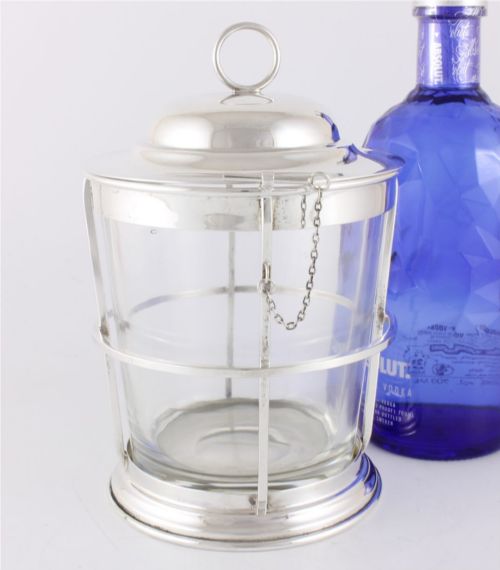
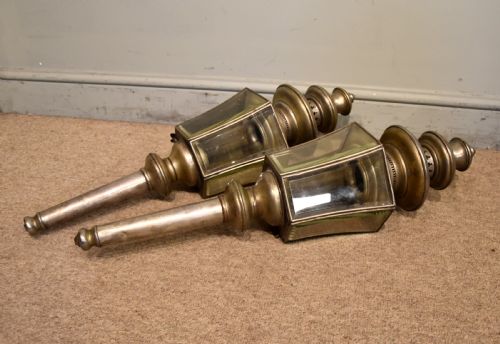
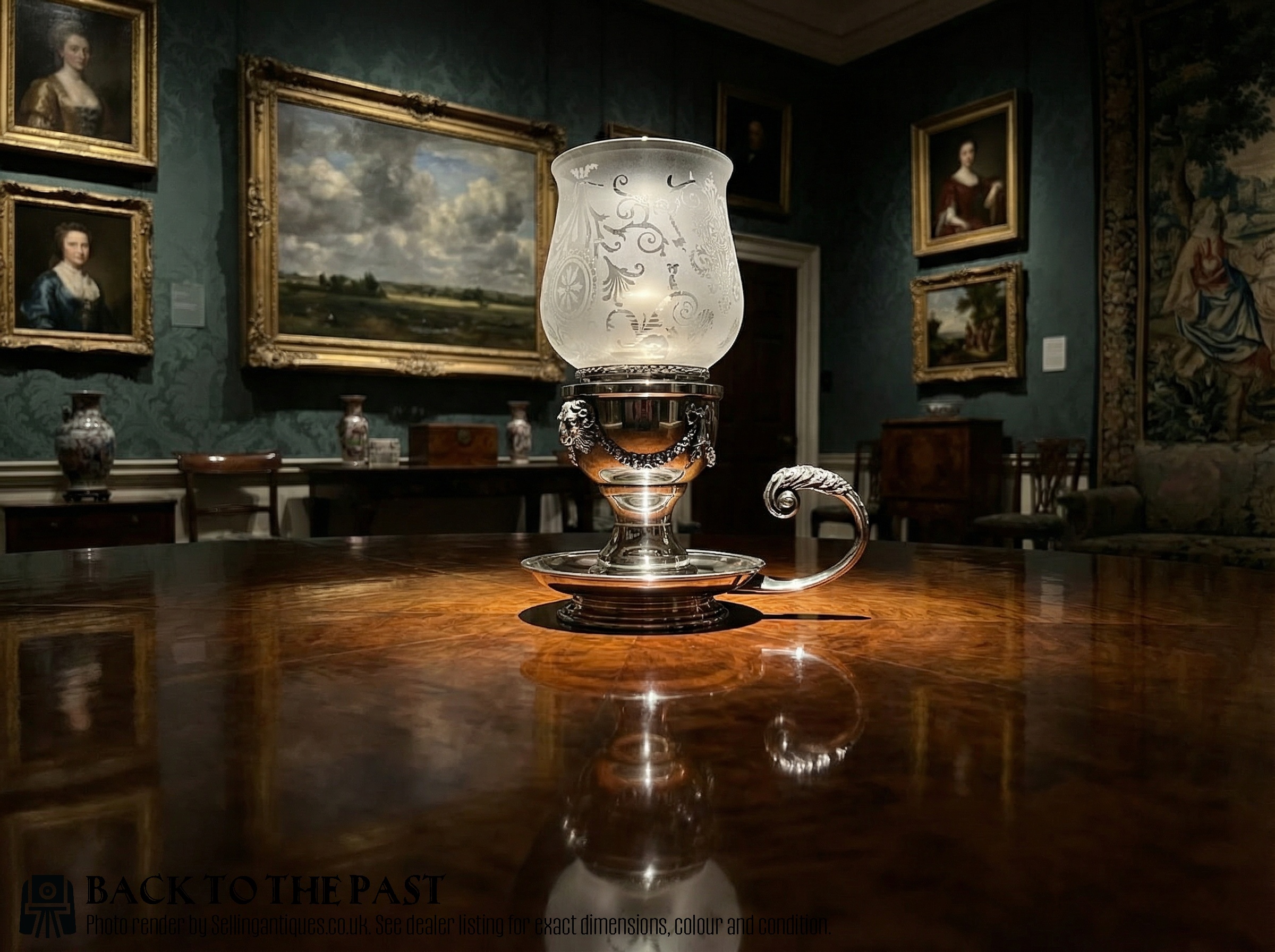
A vintage silver lantern encompasses diverse forms ranging from hanging pendant lights and ceiling fixtures to table lamps and coaching lamps. Buyers seeking a vintage silver lantern encounter examples spanning from the Victorian era through the Edwardian period and the Art Deco style of the 1930s.
The selection includes specialised items such as railway memorabilia, pocket watch sets, and ice buckets shaped like lamps alongside traditional glass and metal hanging lanterns. French and English origins predominate, featuring styles from Gothic Revival to Industrial and French Rococo Revival.
Materials and construction methods
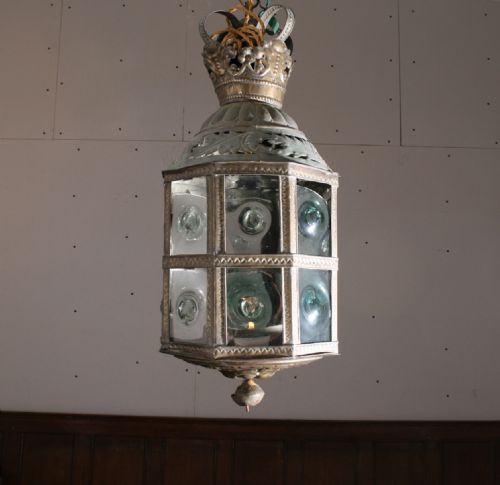
Construction relies heavily on metals such as silver plate, steel, brass, nickel, copper, and bronze, often paired with glass elements. Makers utilised hand blown bulls eye glass and cut glass to diffuse illumination within pendant and ceiling lights.
Surface treatments include silver gilding and plating applied over core metals to achieve the desired metallic finish. Structural framing frequently combines steel and brass to support heavy mirrored or clear glass panels.
Vintage Silver Lantern Retail Price Guide 2026
Typical asking prices for vintage silver lantern among the pieces listed under this phrase on Sellingantiques today, from the lower quarter to the upper quarter. They describe what is for sale here now, not the wider market.
Some lanterns double as ice buckets or house station master pocket watches.
Factors influencing quality
Quality differences emerge in the complexity of metalwork, from simple pressed steel frames to intricate silver gilded bronze castings. The clarity and weight of cut glass or hand blown bulls eye glass panels further distinguish finer examples.
The integration of original period components, such as striking mechanisms in clocks or authentic railway hardware, elevates the historical significance of the piece. Superior craftsmanship is evident in the robust assembly of twin and multi-light configurations.
PH Vogel
The Vintage Silver Lantern Glossary
- Silver Plate
- A base metal coated with a thin layer of silver. This technique provided the appearance of solid silver at a lower production cost.
- Bulls Eye Glass
- A thick round pane of glass featuring a prominent central convex lump or lens. It was historically used in ships and railway lamps to concentrate or project light beams.
- Cut Glass
- Glass decorated by grinding facets or patterns into the surface using a rotating wheel. It enhances the refraction of light within pendant and ceiling fixtures.
- Gilded Bronze
- Bronze metal coated with a thin layer of gold leaf or powder. This treatment offered rich decorative detailing for French and Italian hall lanterns.
Vintage Silver Lantern: Frequently Asked Questions
Where were vintage silver lanterns placed?
These pieces served practical and decorative functions in hallways, railway stations, coaches, and dining spaces. Hanging variants illuminated entryways while table models provided focused lighting.
Industrial and domestic examples adapted to various architectural settings, acting as both utility items and decorative focal points.
How do I care for silver plated lighting?
Maintenance requires gentle dusting and occasional cleaning with non-abrasive cloths suited for plated surfaces. Avoiding harsh chemical polishes preserves the underlying metal layer.
Glass panels benefit from standard glass cleaner applied carefully to avoid contact with surrounding metal frames and electrical components.
Can these ceiling lights be rewired?
Many hanging fixtures and pendant lights undergo rewiring to meet modern electrical standards for safe domestic installation. Professional electricians can adapt historical fittings for contemporary ceilings.
Retaining original sockets and wiring is common for display purposes, but operational use typically involves updated internal components.
How are different periods identified?
Stylistic markers such as geometric Art Deco lines, ornate Edwardian cut glass, or robust Victorian brass construction help date each piece. Maker stamps and associated railway insignia provide further historical context.
Materials like steel and silver plate evolved across decades, offering clues to the manufacturing era of the lantern.