





Estate Landscape Art
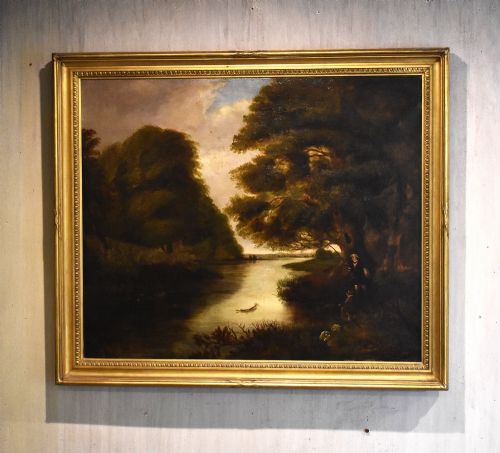
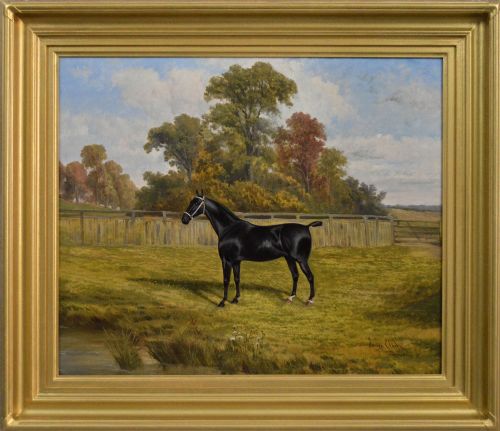
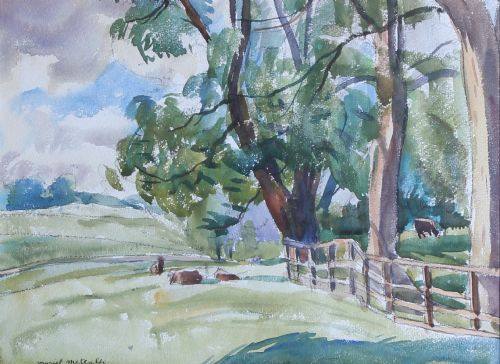
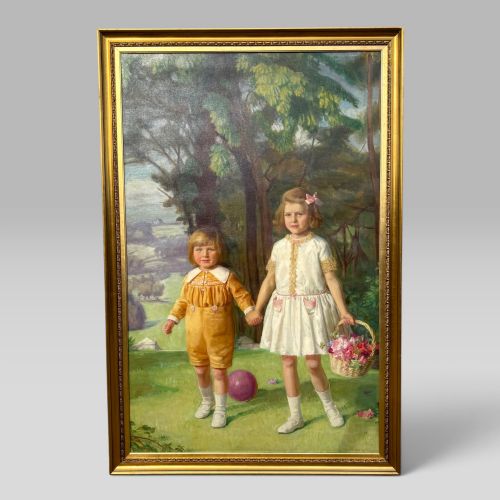
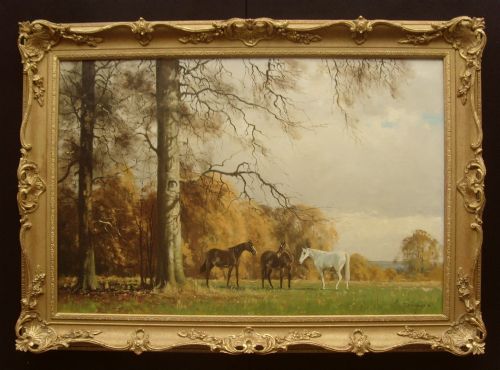
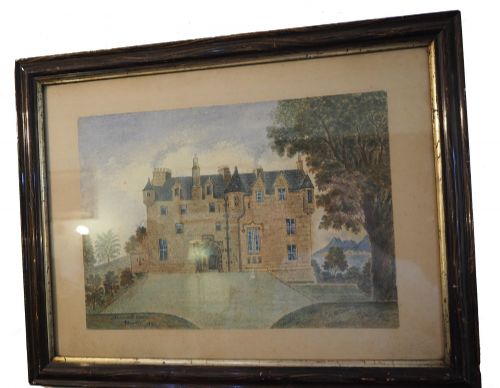
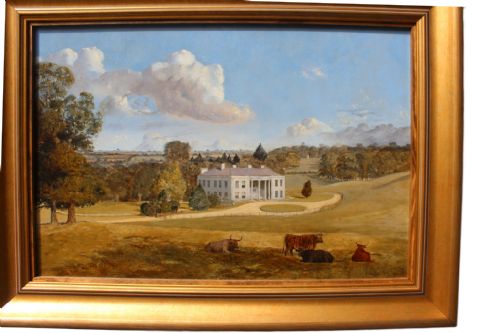
Estate landscape art records great houses, gardens and grounds in oil on canvas, paper and panel.
Estate Landscape Art
Estate landscape art captures the historic seats, parks and architectural landmarks of Britain and Europe across several centuries. These works record country houses, castles and stately homes alongside the surrounding land, deer parks and lakes. Buyers find oil paintings, watercolours, engravings and lithographs documenting specific landed estates.
The pieces on this page span the eighteenth century, Regency period, Victorian era and early twentieth century. Many works depict named locations such as Newstead Abbey, Trentham Hall, Gwydir Castle and Warlies House. Artists focused on the grand architecture of the house set within sweeping parkland views, often featuring livestock, horses or figures in the grounds.
Materials and methods
Painters used oil paint on woven canvas stretched over wooden frames to create these substantial architectural and topographical views. Watercolours on paper and coloured lithographs also appear for views of historic houses and gardens. Many of these artworks retain their original wooden frames, frequently finished with gold leaf or gilded wood.
Artists built up compositions using layered oil paint to describe stone facades, landscaped lawns and calm lakes. Engravers used metal plates to produce detailed prints of hunting scenes and parkland prospects on paper. Glazing protects works on paper behind glass within period frames.
Estate Landscape Art Retail Price Guide 2026
Typical asking prices for estate landscape art among the pieces listed under this phrase on Sellingantiques today, from the lower quarter to the upper quarter. They describe what is for sale here now, not the wider market.
Listings span the eighteenth century, Regency period, Victorian era, Edwardian years and the 1930s.
Judging quality
Quality rests upon the precision of the topographical draughtsmanship and the artist's ability to render architectural detail alongside natural light. Superior works capture the specific character of a historic house and its grounds with confident brushwork and balanced composition. Weaker examples offer generic landscape formulas with less attention to the actual building depicted.
The handling of atmospheric perspective and the integration of staffage, such as livestock, horses or figures, distinguish finer pictures. Original period framing, particularly gilded wood mouldings matching the age of the canvas, adds significant integrity to the piece.
George F. Bird·Walter Robin Jennings·Clifton Tomson·T.M Baynes·Samuel Sidley·James Canter·C de Falens·Robert Thomas Buttery·Fred Merriman·Peter Tillemans·Martin Pierre - Denis·Henri Harpignies
The Estate Landscape Art Glossary
- Topographical art
- Artworks depicting specific real places, buildings and landscapes with geographical accuracy. This genre forms the foundation of estate landscape art.
- Oil on canvas
- Pigment bound in drying oil applied to a woven fabric support. This was the primary medium for substantial country house portraits.
- Staffage
- Human figures or animals included in a landscape painting to provide scale and narrative interest. They often depict estate workers, riders or livestock.
- Coloured lithograph
- A print produced from a flat stone or metal plate treated to repel ink except where drawn upon, with colour added. These plates recorded notable houses for wider distribution.
- Gilded wood
- Wood surfaces coated with a thin layer of gold leaf or metal powder. Antique frames frequently feature this decorative finish.
Estate Landscape Art: Frequently Asked Questions
What is estate landscape art?
Estate landscape art comprises paintings, watercolours and prints depicting country houses, castles and their surrounding parks. These works serve as visual records of historic property and landed estates.
Artists from the eighteenth to the twentieth century documented these seats, often commissioned by the owners to record their property and grounds.
How should I hang estate art at home?
These works suit traditional drawing rooms, studies and hallways where their architectural subject matter complements period interiors. Proper placement avoids direct sunlight to protect oil paint and paper.
Securing the heavy gilded frames with appropriate wall fixings ensures the safety of these substantial canvas and wood pieces.
Are these paintings original works?
This selection includes unique original oil paintings and watercolours alongside period engravings and lithographs. Each listing specifies the exact medium used by the artist or printmaker.
Original oils on canvas represent one-of-a-kind commissions or exhibition pieces created directly by the artist.