




Equine and Sporting Art
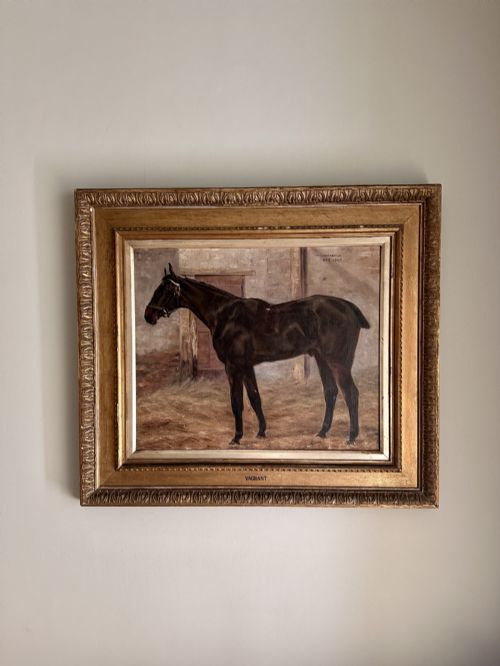
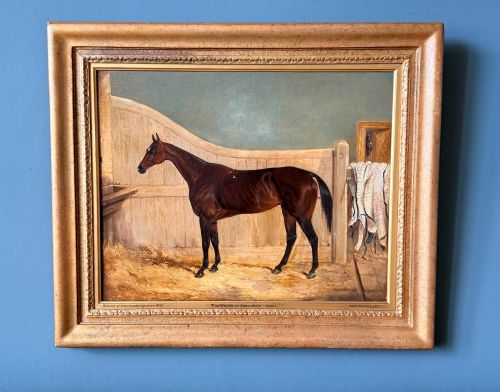
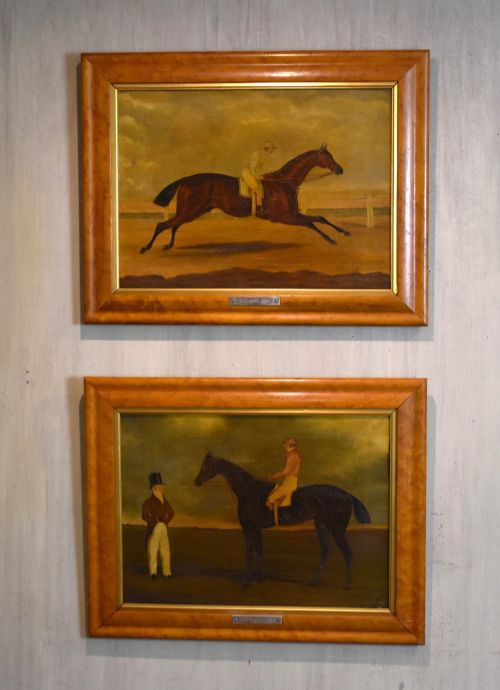
Equine and sporting art comprises oil paintings, gouache, watercolour and painted prints depicting horses, racers and countryside pursuits from the eighteenth, nineteenth and twentieth centuries.
Equine and Sporting Art
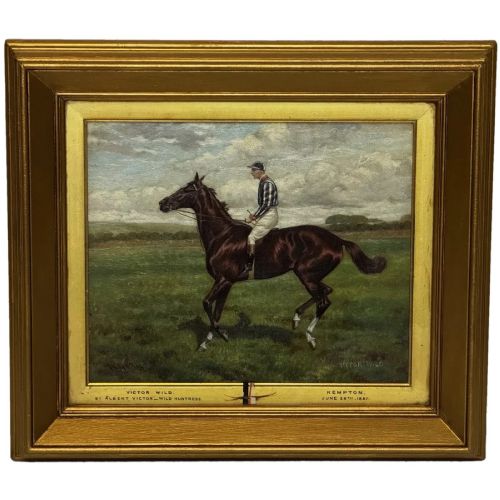
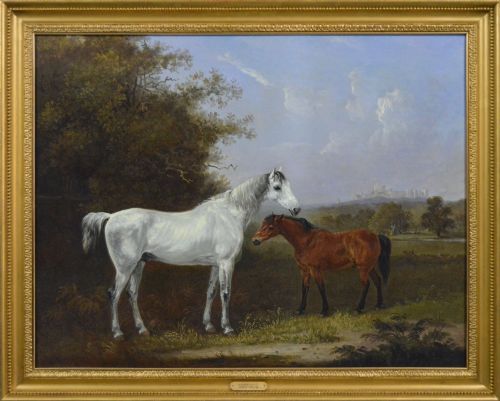
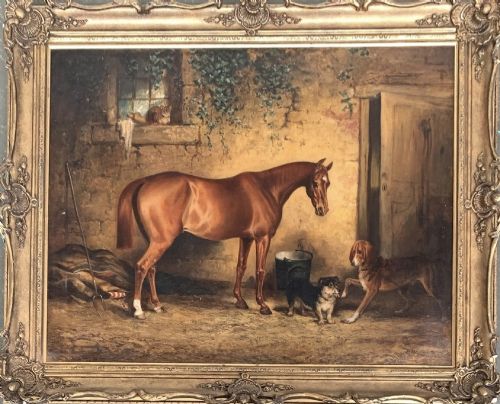
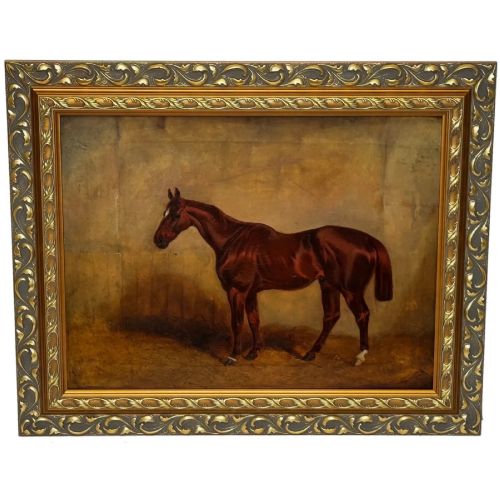
When searching for equine and sporting art, a buyer encounters oil paintings, framed prints, gouache and watercolour works produced across the eighteenth, nineteenth and twentieth centuries. These pieces record specific thoroughbreds, hunters, stable scenes, race meetings and rural landscapes by named painters and regional schools.
The most common items met on this page are oil paintings on canvas or wood panel, alongside mid-twentieth-century watercolours and painted prints. Subjects range from individual portraits of named champions such as Persimmon with jockey Jack Watts to racing scenes and horses with grooms in landscape settings.
The periods represented span from Georgian and Regency eras through the Victorian and Edwardian decades up to the mid-twentieth century. Works originate primarily from British and European hands, capturing the dominant role of the horse in rural life, sport and royal patronage.
Materials and Technique
The primary medium recorded across these works is oil paint applied to canvas, paper or wood pine panel, often framed in giltwood mouldings. Artists layered pigments to render the musculature, coats and expressive eyes of horses alongside detailed backgrounds of stables, river landscapes and racecourses.
Watercolour and gouache on paper appear in later twentieth-century pieces, offering a lighter touch for racing scenes and country gallops. Painted prints provide an alternative method of reproduction, replicating original compositions for wider distribution.
Equine and Sporting Art Retail Price Guide 2026
Typical asking prices for equine and sporting art among the pieces listed under this phrase on Sellingantiques today, from the lower quarter to the upper quarter. They describe what is for sale here now, not the wider market.
Several canvases immortalise named champions like Persimmon and Master Walter, proving that Victorian racehorses enjoyed proper celebrity status.
Markers of Quality
Quality in these works rests upon the precision of anatomical rendering and the naturalism of the horse's posture in stable or landscape. Skilled painters capture the accurate conformation of the animal, the texture of the coat and the specific light of the setting.
Provenance and attribution strongly elevate a piece, particularly when works link directly to notable estates, historic races, royal owners or documented artists of the British school. The handling of the background landscape and the integration of human figures with the animal further distinguish finer works from standard portraiture.
Charles Bilger Spalding·Henry Barraud·Edmund Bristow·Fred Fitzpatrick·Thomas Walker Bretland·John Frederick Herring Snr·John Ferneley Senior·John Rattenbury Skeaping·George E Sharpe·Clifton Tomson·Abraham Cooper·W A Clark·George Goodwin Kilburne·John Nost Sartorius·Walter Herbert Wheeler·James Barenger·John Parker Davis
The Equine and Sporting Art Glossary
- Gouache
- An opaque watercolour medium used on paper. It provides solid areas of colour and dense highlights in works such as mid-twentieth-century racing scenes.
- Panel
- A rigid support for painting, often made of pine wood. Eighteenth-century artists frequently utilised wood panels instead of canvas.
- Provenance
- The documented history of ownership of a work of art. Recorded provenance traces a painting from its commission through estates and galleries.
- Giltwood
- Wood carved and coated with gold leaf to form a decorative frame. These frames surround many nineteenth-century oil paintings.
Equine and Sporting Art: Frequently Asked Questions
What periods do these paintings cover?
The works span from the eighteenth century through the Georgian, Regency, Victorian and Edwardian eras into the mid-twentieth century. Each period brings distinct styles in framing and subject matter.
Victorian pieces form a large share of the selection, reflecting the era's strong interest in horse racing, hunting and animal portraiture.
How were these artworks created?
Artists worked primarily in oil paint on canvas or wood pine panel, building up layers to depict horse anatomy and landscapes. Some later twentieth-century examples utilise gouache and watercolour on paper.
Framing typically involves giltwood surrounds that complement the traditional subjects of stable portraits and racing scenes.
Who painted these equine subjects?
The listings feature works by named British and European painters, including specialists in sporting art and members of royal and regional schools. Many pieces carry attribution to documented historical artists.
Signatures, dates and inscriptions on the canvas or reverse often help identify the specific hand behind the portrait.
How do I display equine art at home?
These framed oil paintings and watercolours suit traditional studies, living rooms or hallways where historic art creates a focal point. Matching the giltwood frame to existing room decor helps integrate the piece.
Keeping works away from direct sunlight and excessive moisture preserves the oil paint and paper supports over time.