




Equestrian Study on Paper
An equestrian study on paper captures horses in graphite, ink, watercolour, or pastel, offering collectors an intimate glimpse into traditional draftsmanship.
Equestrian Study on Paper
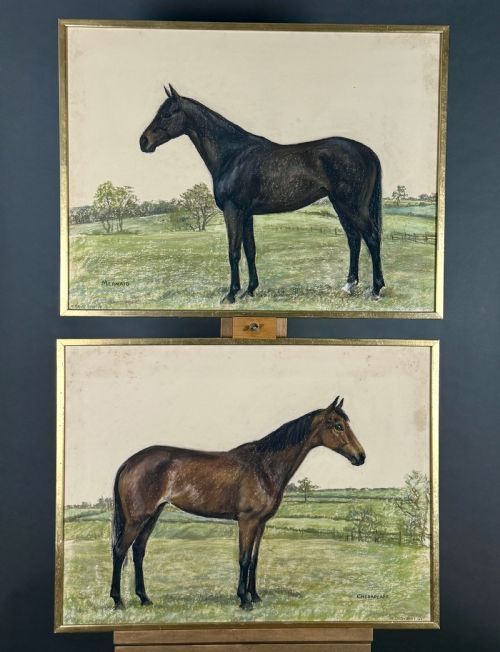
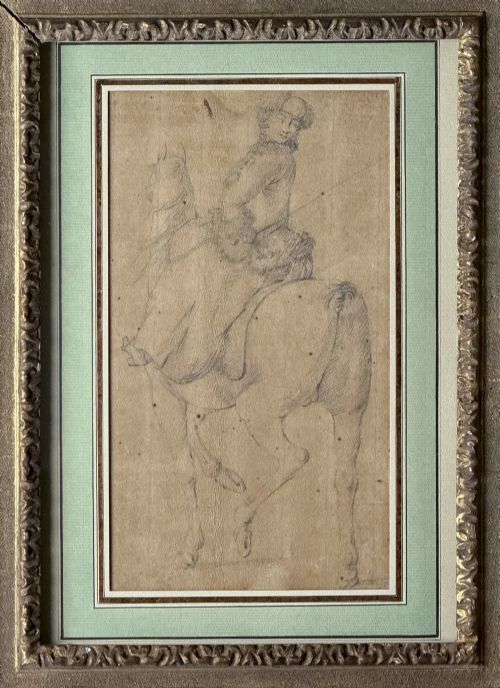
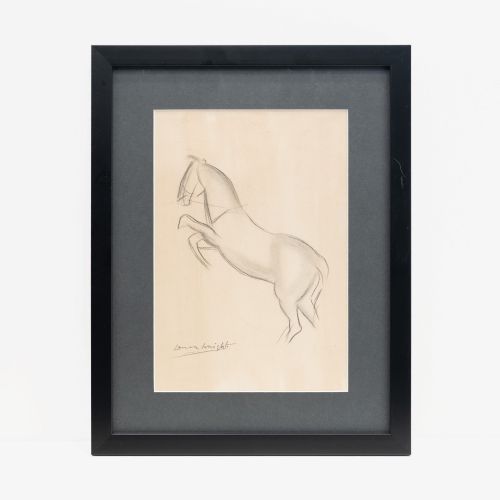
When you search for an equestrian study on paper, you encounter works spanning the eighteenth, nineteenth, and twentieth centuries, including British and Northern European school pieces. These range from detailed graphite and pen and ink drawings to vibrant pastels and watercolours.
You are most likely to meet framed original drawings and watercolours from the nineteenth century on this page, alongside occasional twentieth-century modern British works and eighteenth-century examples.
The selection encompasses framed artwork depicting single horse portraits, battle scenes, and pairs of studies, preserved under glass within wood or gilt wood frames.
How they were made
Artists executed these works directly onto paper supports utilising media such as graphite, pen and ink, watercolour, and pastel.
Drawings and paintings were subsequently secured behind glass and housed within wooden or gilt wood frames to protect the delicate paper surfaces.
Equestrian Study on Paper Retail Price Guide 2026
Typical asking prices for equestrian study on paper among the pieces listed under this phrase on Sellingantiques today, from the lower quarter to the upper quarter. They describe what is for sale here now, not the wider market.
Listings feature paper works spanning the eighteenth to the twentieth centuries, utilising graphite, ink, watercolour, and pastel.
What varies in quality
Quality rests upon the sureness of the draughtsmanship and the artist's ability to render the anatomy and movement of the horse convincingly on paper.
The preservation of the paper support and the vibrancy of media such as watercolour or pastel significantly influence the visual impact of the work.
Dame Laura Knight·Snaffles·Johan Noah Bemmel
The Equestrian Study on Paper Glossary
- Graphite
- A form of carbon used for drawing, producing grey or black marks that allow for fine shading and detailed equine musculature.
- Pastel
- A dry painting medium consisting of powdered pigment and a binder, creating velvety colour surfaces on paper.
- Watercolour
- A paint consisting of pigment suspended in a water-based solution, applied in translucent washes to paper.
- Gilt wood
- Wood that has been treated with a thin layer of gold leaf, commonly used for traditional picture framing.
Equestrian Study on Paper: Frequently Asked Questions
What periods do these drawings cover?
The works span from the early eighteenth century through the nineteenth and twentieth centuries.
You will find examples representing various historical schools and modernist approaches.
How are these artworks framed?
Most pieces are presented behind glass within traditional wood or gilt wood frames.
This framing protects the fragile paper and works on paper from environmental damage.
What mediums were used by artists?
Artists utilised graphite, pen and ink, watercolour, and pastel on paper supports.
These varied mediums allowed for both quick compositional sketches and finished, colourful portraits.
Are these works original?
The selection includes original drawings, watercolours, and pastels created directly by the artists.
Pieces range from preparatory pencil studies to finished exhibition watercolours.