
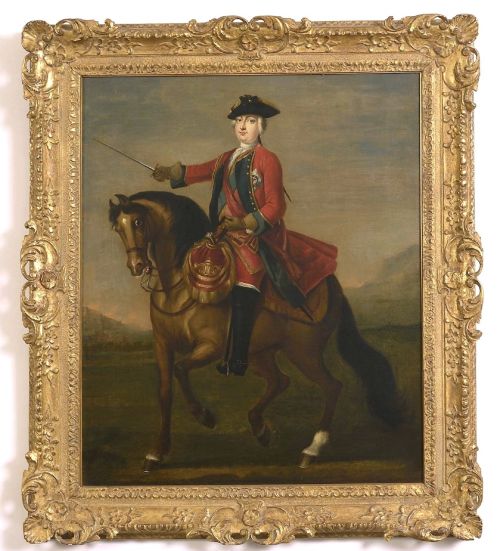
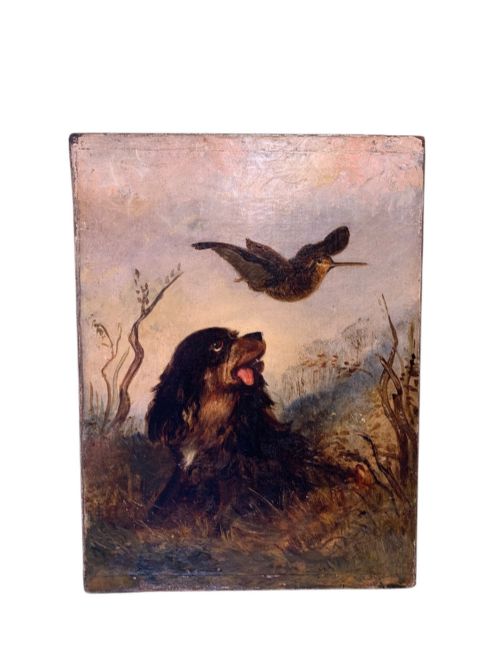
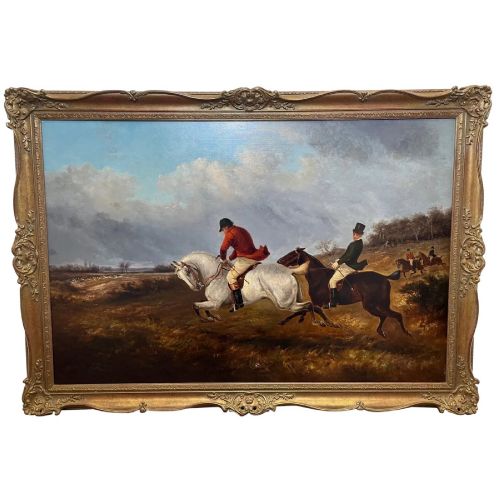
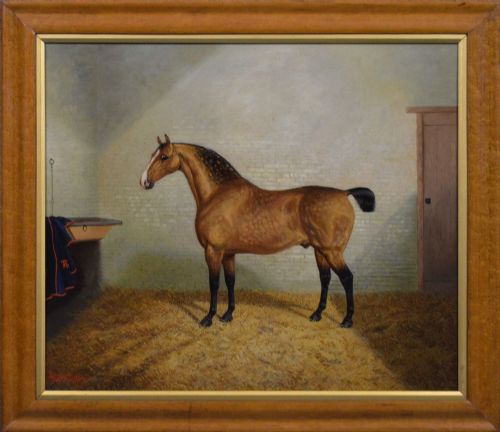

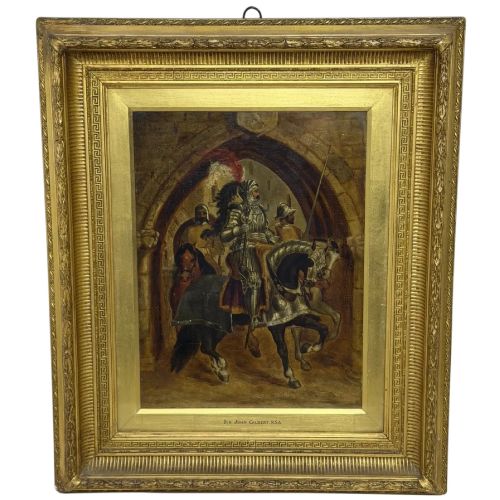

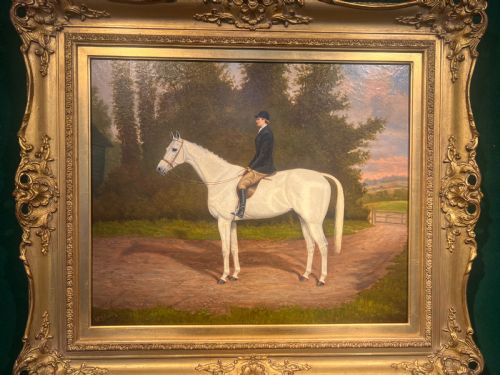
Equestrian Oil Painting Canvas
An equestrian oil painting canvas captures horses and sporting life in rich pigments, offering collectors a direct link to nineteenth-century and twentieth-century equine heritage.
Equestrian Oil Painting Canvas
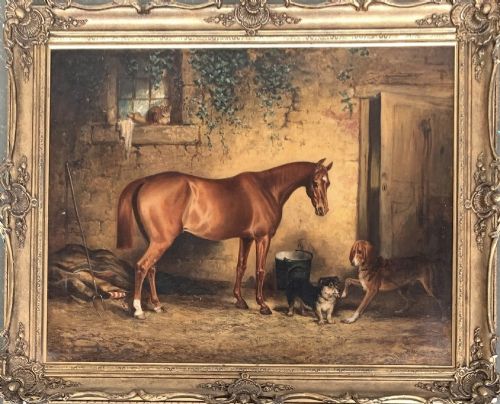
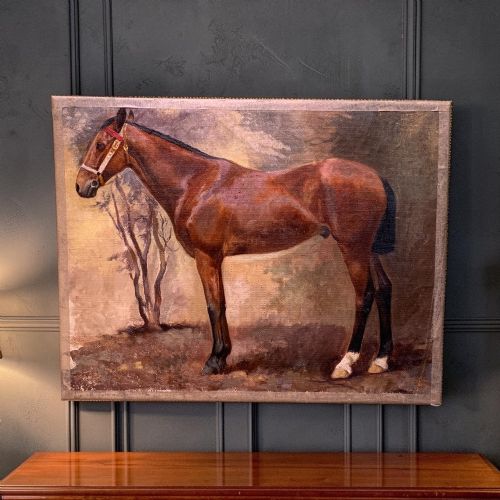
An equestrian oil painting canvas represents horses, riders, and sporting scenes, most frequently meeting buyers through nineteenth-century Victorian works and early twentieth-century examples.
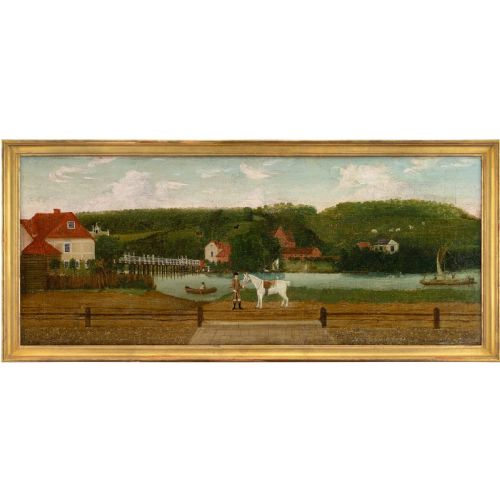
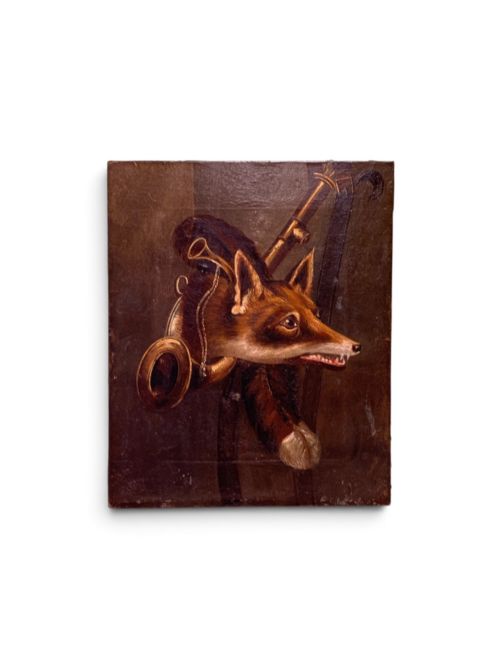
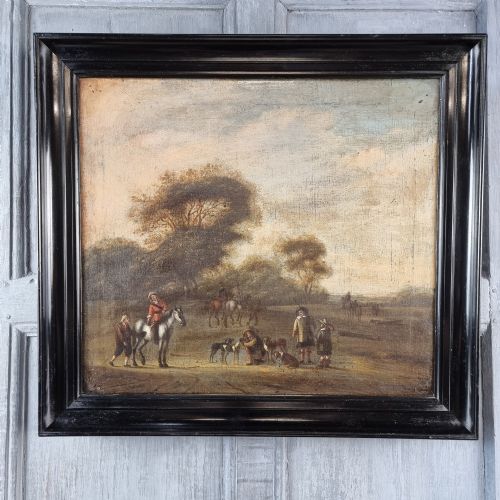
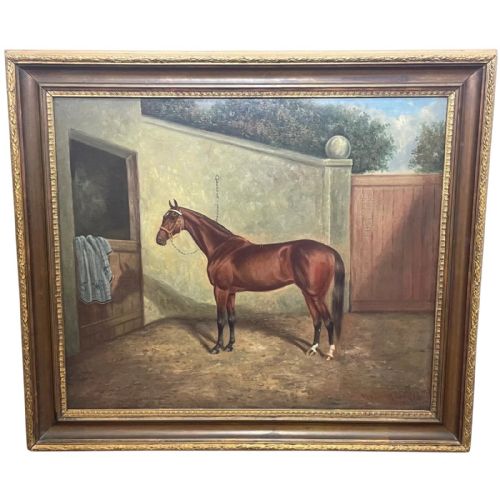
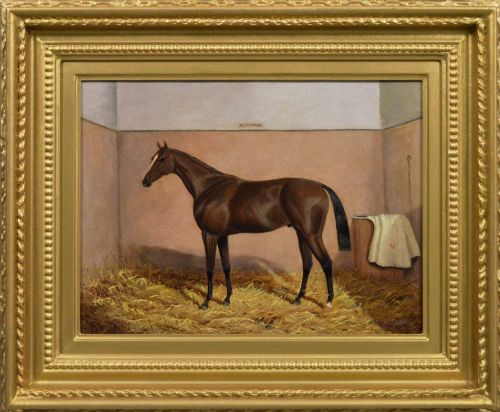
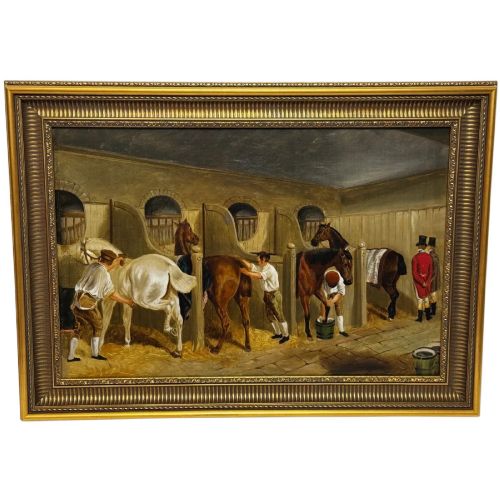
The subjects range from prized racehorses and hunting scenes to stable portraits and rural landscapes featuring working horses.
Originating largely from British artistic traditions, these pieces vary from detailed studies of named horses to broader depictions of hunts and country life.
How they were made
Artists applied oil paint directly onto stretched woven canvas, allowing for subtle blending of tones and rich textural depth in the horse coats and surrounding landscapes.
Many works are housed in their original moulded wood or giltwood frames, which complement the traditional palette and provide structural support to the canvas.
Several canvases immortalise surprisingly famous equine athletes, ensuring the horses outlive their human jockeys by generations.
What varies in quality
The skill in anatomical rendering and the expressive capture of the animal set finer works apart from standard decorative productions.
Depth of composition and atmospheric handling of light within the stable or landscape elevate the artistic merit of individual pieces.
Thomas Smythe·Albert Clark·Abraham Cooper·Henry Barraud·John Ferneley Senior
The Equestrian Oil Painting Canvas Glossary
- Canvas
- A heavy woven fabric stretched across a wooden frame to serve as the foundational support for oil paint. It provides a flexible yet durable surface for brushwork.
- Giltwood
- Wood carved and coated with a thin layer of gold leaf or gilt finish, commonly used for traditional picture frames. It adds a warm reflective border to the painting.
- Equine
- Pertaining to horses, used frequently to describe the specific subject matter of animal portraiture and sporting art. It distinguishes horse depictions from general livestock.
- Sporting art
- A genre of painting dedicated to rural sports, horse racing, hunting, and canine subjects. It flourished particularly during the eighteenth and nineteenth centuries.
Equestrian Oil Painting Canvas: Frequently Asked Questions
How do I identify a nineteenth-century horse painting?
Look closely at the clothing styles of any riders, the framing methods, and the stretcher construction behind the canvas. Nineteenth-century works often utilise heavier linen canvas and traditional lead-based pigments.
Examine the canvas rear for old wax seals, framer stamps, or handwritten inscriptions that frequently record the horse name or the date of execution.
Where were these equine oil paintings displayed?
Historically, these canvases hung in country houses, estate libraries, and sporting lodges to celebrate prize-winning racehorses and beloved hunters. They reflected the social standing and sporting interests of the owners.
Today, they suit studies, living rooms, and traditional hallways where their rich oil pigments complement period interiors and wooden furniture.
What is the difference between a racehorse portrait and a hunting scene?
A racehorse portrait typically focuses on a single named animal, often shown standing in profile or within a stable yard with a groom. These works highlight specific conformation and pedigree.
Hunting scenes depict multiple horses and hounds in an expansive landscape narrative, capturing the dynamic action of the chase rather than an individual animal study.
How should I care for an antique oil painting?
Keep the canvas away from direct sunlight and dramatic fluctuations in household temperature to prevent the oil paint from cracking or the wood stretcher from warping. Gentle dusting with a soft, dry brush is sufficient for routine maintenance.
Avoid using water or chemical cleaning solutions on the painted surface or giltwood frame, and consult a professional conservator for deeper cleaning.