




Equestrian Landscape Painting
An equestrian landscape painting captures horses within a countryside setting, offering a glimpse into rural history and sporting traditions.
Equestrian Landscape Painting
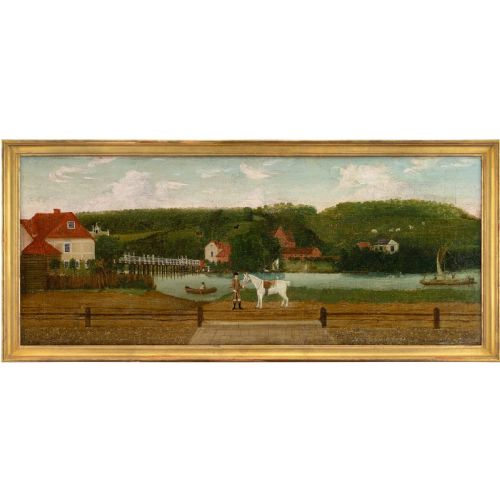
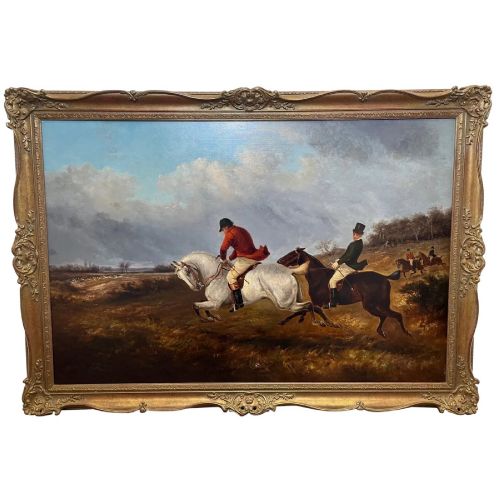
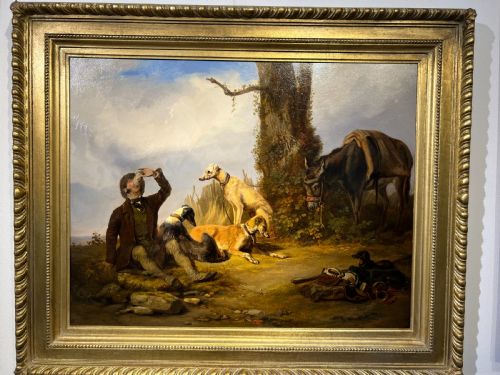
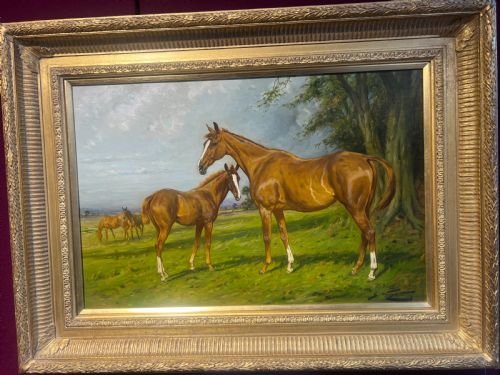
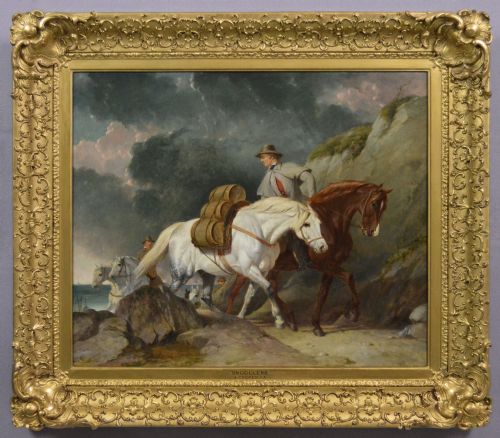
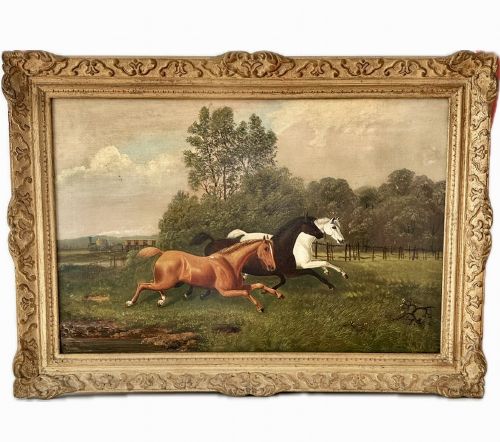
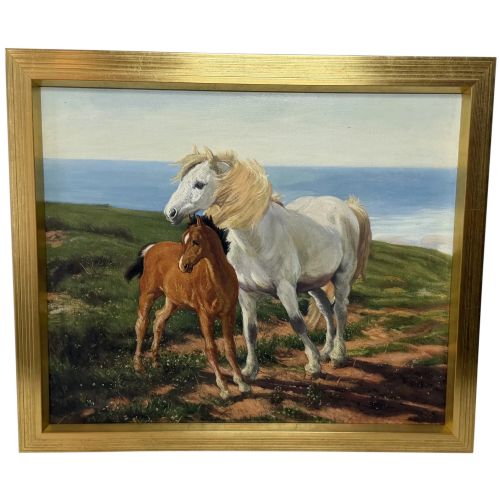
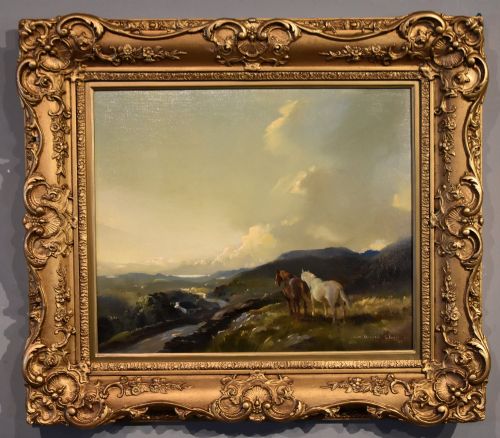
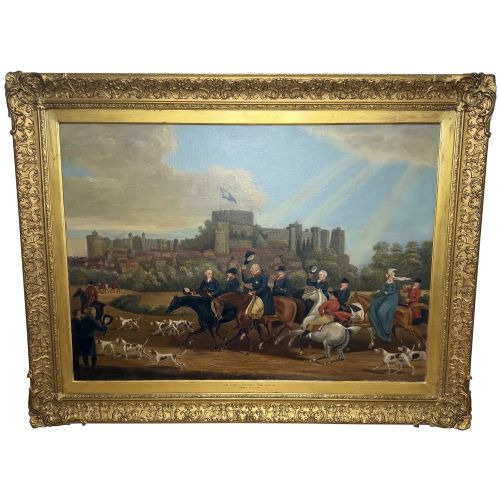
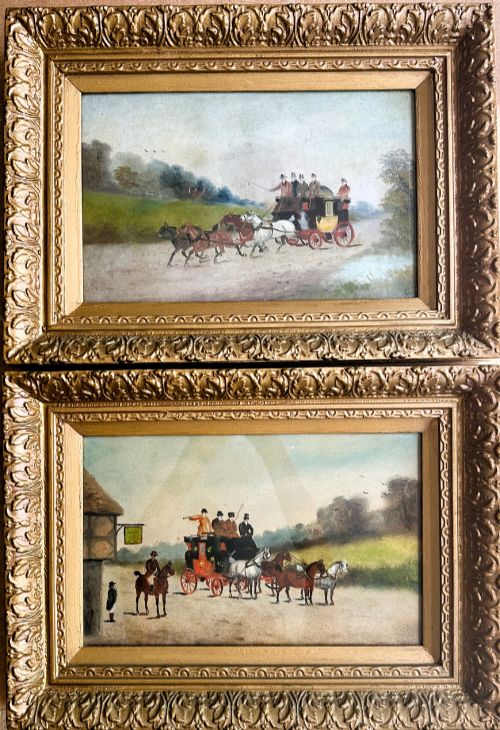
An equestrian landscape painting portrays horses integrated into rural, sporting, or agricultural settings. These works frequently depict scenes from the nineteenth and twentieth centuries, encompassing Victorian sporting art, coaching scenes, and pastoral views.
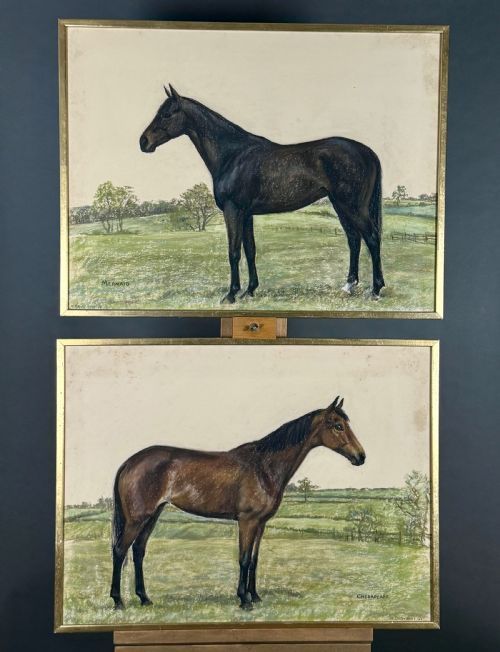
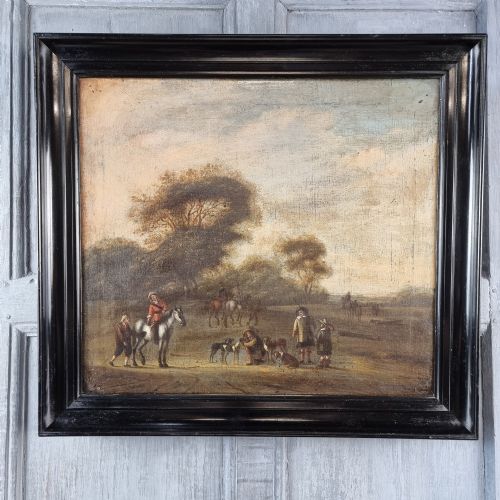
Buyers encounter oil paintings on canvas and wood boards, alongside occasional watercolours and pastels on paper. The subjects range from working horses at troughs and logging horses to formal hunting scenes and racehorses in expansive country landscapes.
Materials and technique
Artists primarily utilised oil paint applied to stretched canvas or wooden panels, capturing light and texture across the landscape and the musculature of the animals. Giltwood and gilt wood frames frequently house these works, providing decorative borders.
Watercolour and pastel on paper appear in specific studies and watercolours, offering a different medium for capturing finer details in portraiture and countryside views.
Several canvases manage to squeeze an impressive array of farmyard poultry, pigs, and ducks directly beneath the hooves of remarkably relaxed horses.
Distinctions in quality
The anatomical accuracy of the horses and the fluidity of the surrounding landscape indicate the skill of the artist. Works by established named painters demonstrate superior handling of light, movement, and atmospheric depth compared to anonymous school pieces.
The preservation of the original paint layer and the condition of the period giltwood frame contribute significantly to the standing of an individual piece within its period.
William Joseph Shayer Senior·Thomas Smythe·Sir Edwin Henry Landseer·George Wright·Abraham Cooper·Edward Priestley·Vernon DeBeauvoir Ward·C R Breytle·Philip Rideout·Herman S Melville·George Morland·John Ferneley Senior·Charles Walter Simpson·Harry Freckleton·Raimond Louis Lecourt·Hazel M Barnett·Gabriel Dauchot·John Sanderson Wells·John Frederick Herring Jnr·Arthur Longley Vernon·Helena Maguire·Fannie Moody·Pieter Bout·Adriaen Frans Boudewyns·John Alfred Wheeler
The Equestrian Landscape Painting Glossary
- Canvas
- A heavy woven fabric used as a surface for oil painting. It is typically stretched over a wooden frame before application.
- Giltwood
- Wood that has been coated with a thin layer of gold leaf or gilt. It is commonly found on period frames enclosing nineteenth-century canvases.
- Sporting Art
- A genre of art depicting bloodsports, racing, coaching, and animals in the field. It forms a significant category within these rural and equestrian works.
- Oil Paint
- A slow-drying paint made by mixing pigments with a drying oil such as linseed. This medium allows for rich colour blending and textured brushwork.
Equestrian Landscape Painting: Frequently Asked Questions
What subjects do these paintings show?
These artworks illustrate horses in various settings, including hunting fields, coaching routes, farmyards, and river landscapes. Human figures, dogs, and domestic animals frequently accompany the horses.
The compositions range from calm pastoral grazing scenes to dynamic racing and hunting moments captured by British and continental artists.
How do I identify the period of a painting?
Clothing styles, vehicle types like stagecoaches, and architectural details within the landscape help narrow down the decade or century. Signatures and attribution notes on the canvas or frame also provide historical context.
Framing materials and canvas preparation techniques offer further clues regarding the era in which the work was produced.
Where were these artists active?
Many works originate from British schools, reflecting regional landscapes in England, Wales, and Scotland. Continental European artists also contributed French provincial and Rhineland countryside views.
Rural hubs, country estates, and coastal paths served as primary locations for the outdoor scenes recorded by these painters.
How should I care for an antique oil painting?
Display the artwork away from direct sunlight and significant temperature fluctuations to protect the oil paint and canvas. Gentle dusting with a soft, dry cloth maintains the surface without disturbing the pigment.
Avoid using liquid cleaners on the canvas or the giltwood frame to prevent moisture damage.