
Equestrian Art Framed Oil
Equestrian art framed oil works capture horses, riders and sporting scenes in pigment upon canvas, held within traditional wood and gilt frames.
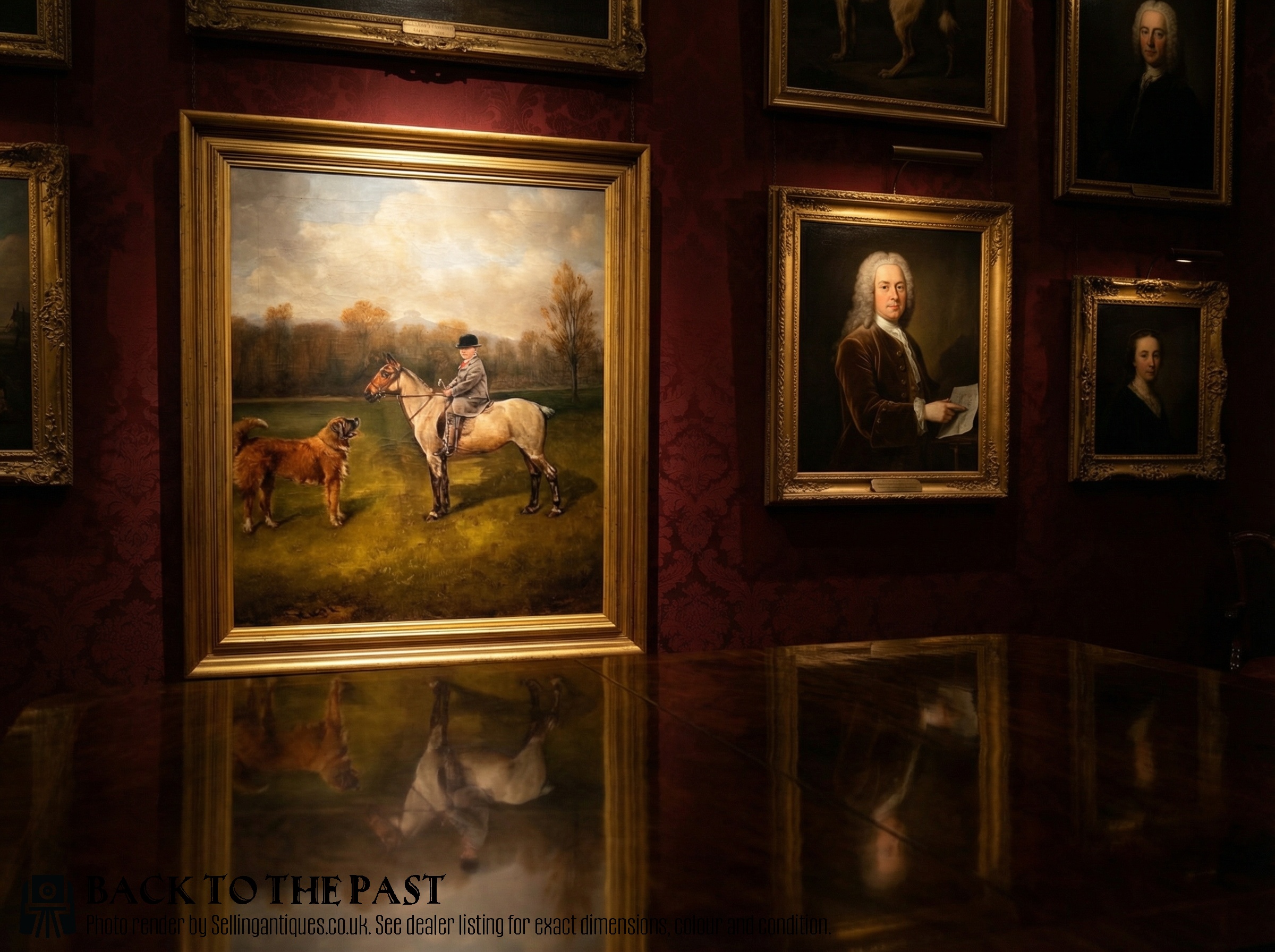
Equestrian Art Framed Oil
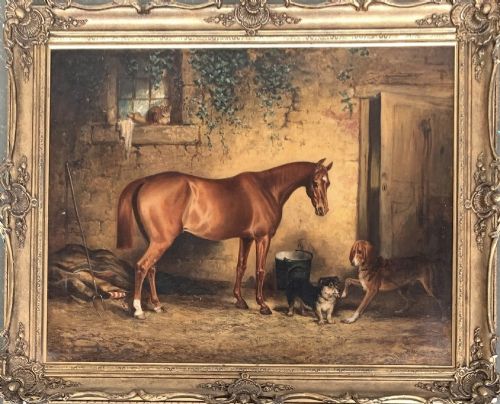
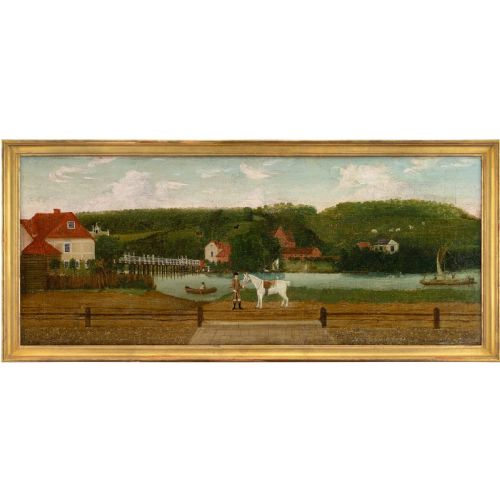
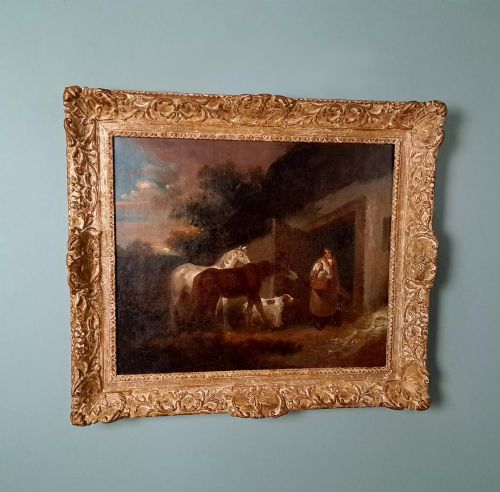
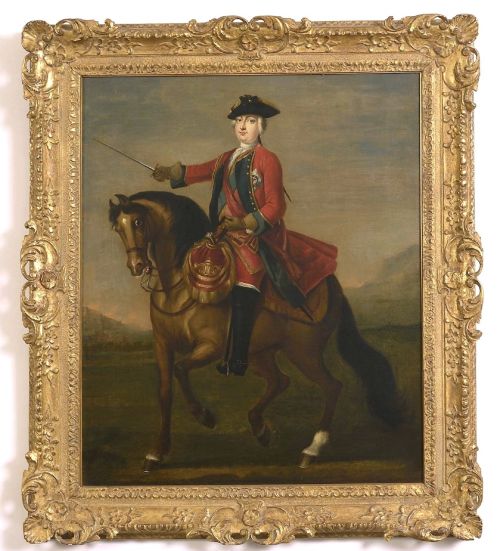
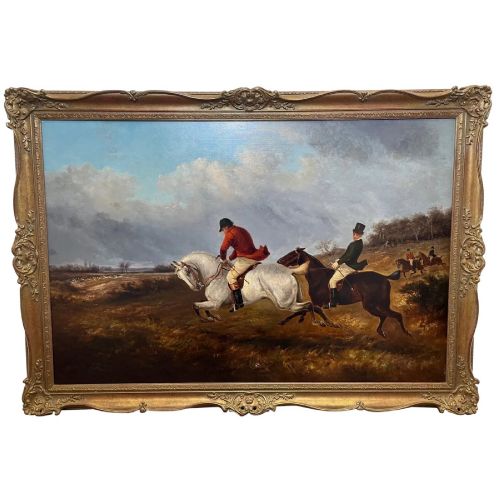
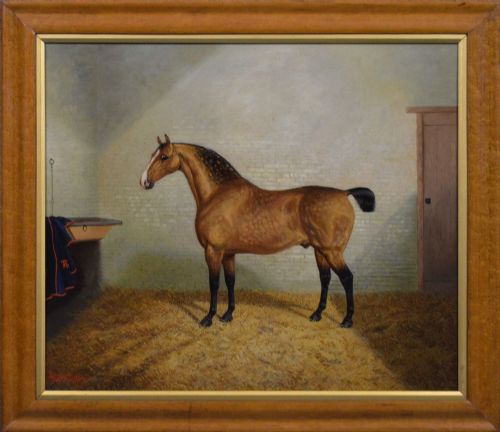
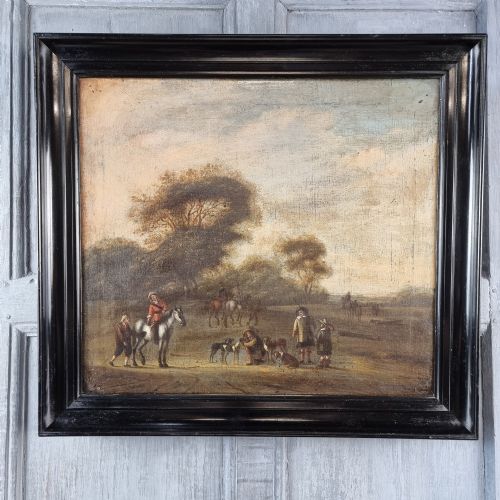
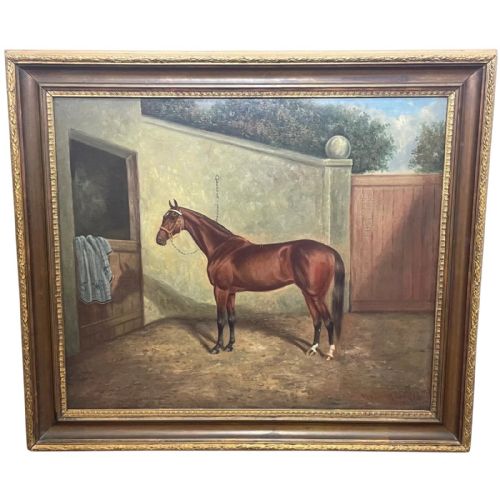
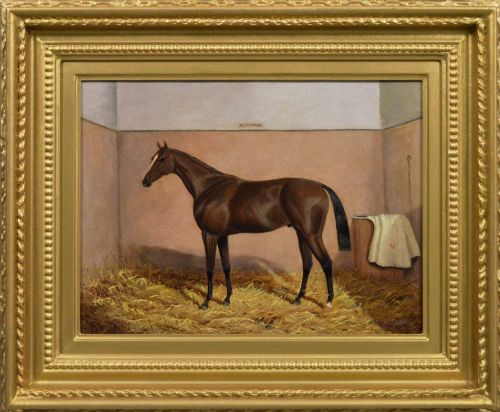
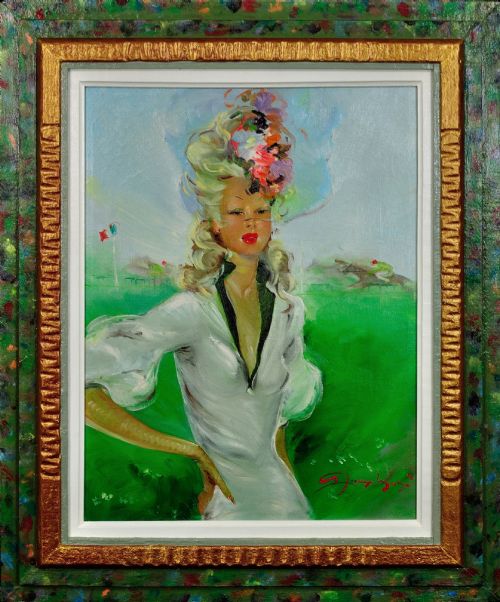
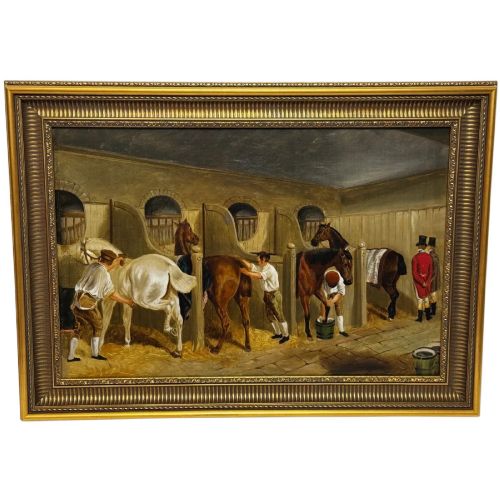
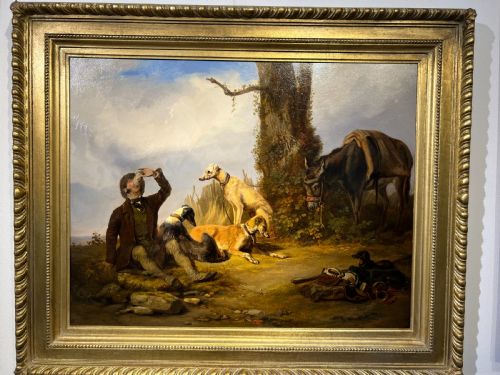
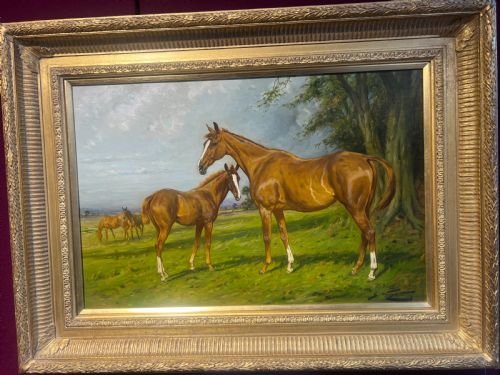
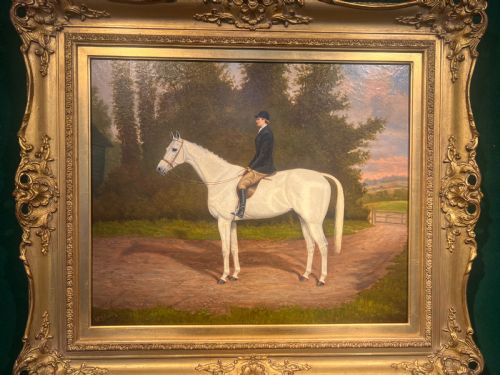
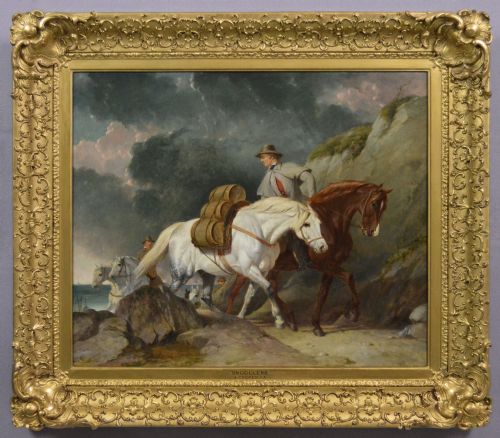
When you search for equestrian art framed oil, you examine paintings that record horses, hunting scenes, racehorses and stable portraits. The pieces span from the eighteenth century through the Victorian period into the mid-twentieth century, reflecting changing tastes in British and European sporting art.
You meet individual horse portraits alongside grand hunting scenes and coaching depictions. The selection ranges from Georgian and Victorian canvases to Edwardian and later works, housed within original or period-matched giltwood and wood frames.
How they were made
These works utilise oil paint applied to canvas or board, allowing artists to build rich layers of colour and texture. Brushwork varies from meticulous detail in horse anatomy to looser strokes in landscape backgrounds and racing scenes.
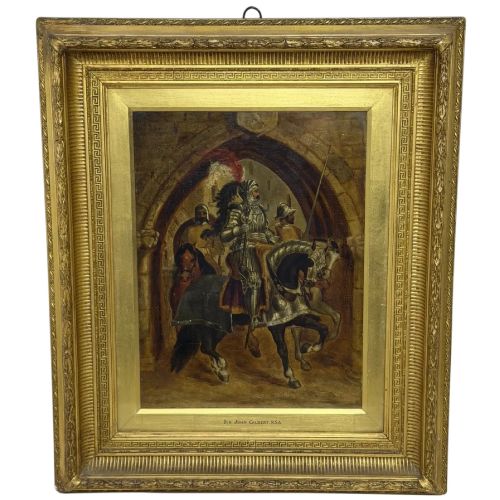
The frames are constructed from wood, frequently finished with layers of gilt or gesso. Mouldings range from simple profiles to ornate Victorian ornamentation designed to complement the artwork.
Listings feature oil paintings on canvas and board, framed in giltwood and wood, spanning the eighteenth to the twentieth centuries.
What varies in quality
Quality rests in the draughtsmanship of the horse, the accuracy of proportion and the handling of light across the coat and landscape. Master hands capture muscle tension, expression and movement with convincing authority, whereas lesser works lean on stiff formulas and flat colour.
The relationship between the painting and its frame contributes significantly to the integrity of the piece. Period frames that suit the scale and date of the canvas elevate the presentation far beyond later or mismatched replacements.
William Joseph Shayer Senior·Thomas Smythe·Albert Clark·Frederick Albert Clark·Abraham Cooper·Henry Barraud·John Ferneley Senior
The Equestrian Art Framed Oil Glossary
- Giltwood
- Wood carved and coated with gold leaf or metallic powder. This material frequently frames nineteenth-century sporting oils.
- Canvas
- Woven fabric stretched across a wooden frame to form a support for oil paint. It remains the most common substrate in this category.
- Sporting Art
- Genre of painting depicting bloodstock, hunting, racing and hounds. It forms the core of the equestrian tradition.
- Equine Portrait
- A standalone painting recording the likeness of a specific named horse. These often include details of stables or owners.
Equestrian Art Framed Oil: Frequently Asked Questions
How do I date an equestrian oil painting?
Dating relies upon stylistic cues in the horse's tack, the rider's clothing and the landscape background. Costume and saddle design shift measurably between the Georgian era and the twentieth century.
Canvas stamps, stretcher types and framing styles provide additional physical evidence to narrow down the decade of creation.
Where should I hang a framed oil painting?
Keep oil paintings away from direct sunlight and damp environments to protect the canvas and pigment. Stable indoor temperatures prevent the wood stretcher and canvas from warping.
Ensure the wall can support the weight of the heavy giltwood frames typically found on these large sporting works.
What is the difference between a horse portrait and a sporting scene?
A horse portrait focuses entirely on an individual animal, often named, standing in a stable or paddock. These emphasise conformation and pedigree.
Sporting scenes place horses in action during hunts, races or coaching journeys, prioritizing narrative and movement over individual portraiture.