


Engraved Watch Fob
These engraved watch fob pieces are small, finely decorated markers once worn with waistcoats, offering a glimpse into personal history and fine metalwork.
Engraved Watch Fob
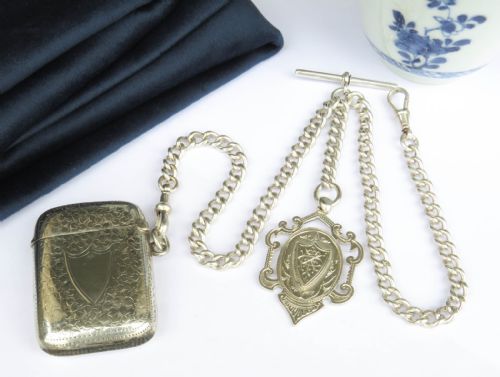
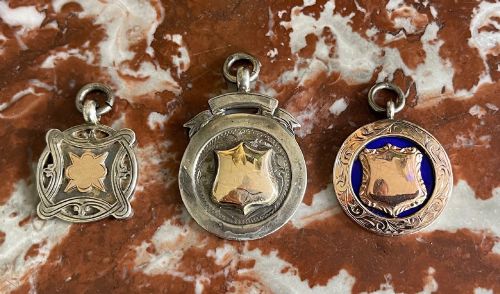
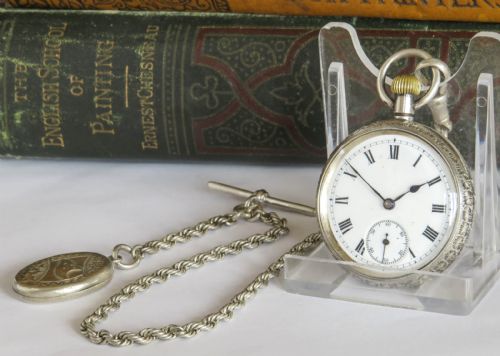
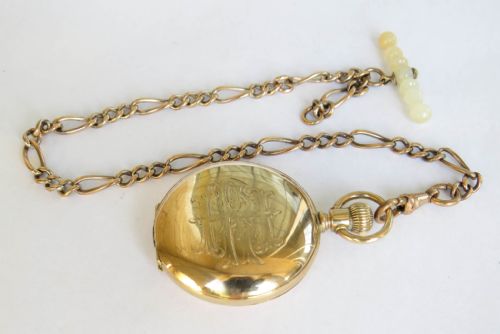
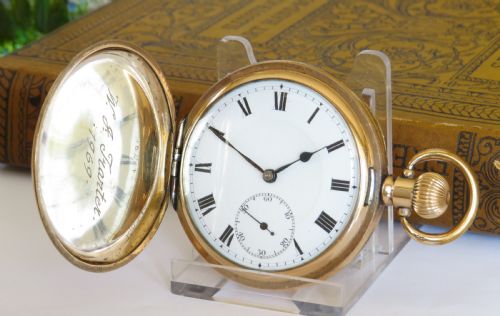
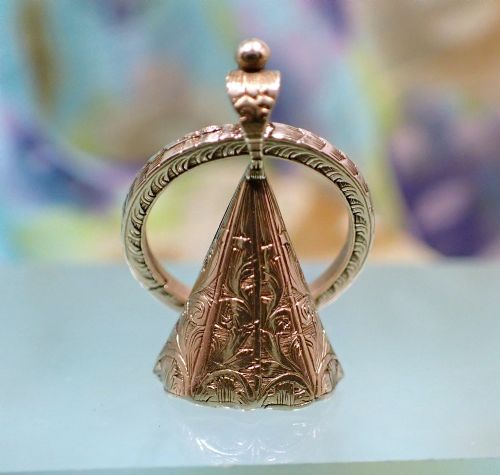
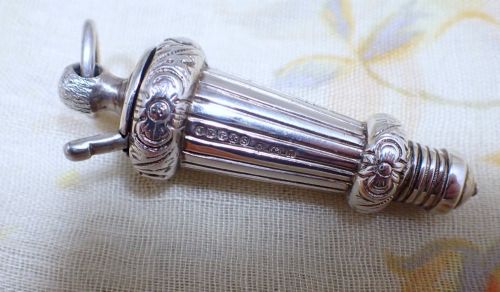
An engraved watch fob is a pendant or seal suspended from a pocket watch chain, designed to display initials, heraldry or personal achievements. The pieces gathered here span from the Georgian period through the Victorian and Edwardian eras into the Art Deco years, reflecting shifting tastes in personal adornment. Most examples found on this page take the form of metal seals, medals or carnelian-set pendants attached to chains.
The materials and designs mirror the decades in which they were made, moving from heavy nineteenth-century gold and silver seals to lighter twentieth-century medals and geometric pendants. Collectors encounter items marked by crisp hand-carving on hardstones or deeply chased floral patterns on precious metals. Each object served as both a practical counterweight for a timepiece and a miniature canvas for engraving.
How they were made
Craftsmen worked primarily in sterling silver, gold and gold plate, often combining these metals with semi-precious stones such as carnelian and bloodstone. Hardstones were shaped and polished by hand before being intaglio-engraved with crests or monograms so they could double as wax seals.
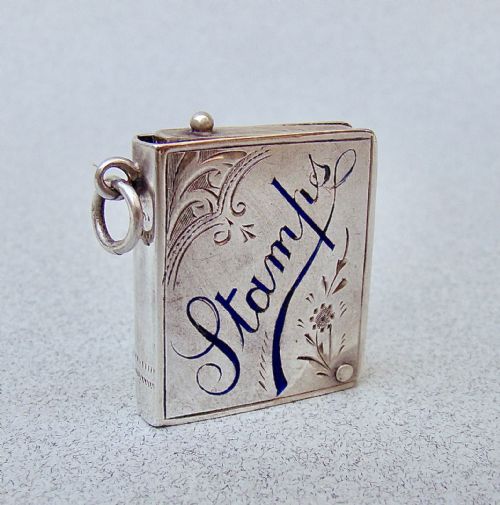
Metal components were cast, hammered and chased, utilising steel gravers to cut intricate patterns into the surface of the fob. Enamel and glass elements occasionally appear, adding colour and contrast to the metallic mounts.
What varies in quality
The distinction between ordinary and exceptional pieces lies principally in the depth and sharpness of the engraving. Hand-cut intaglios and deeply chased floral motifs demand high levels of skill, separating master craftsmanship from mass-produced stamping.
The choice of materials also dictates standing, with solid gold and high-grade sterling silver mounts housing superior stones like carnelian holding greater distinction than gilt metal or plated alternatives.
Crisford and Norris·J W Benson·Sir John Bennett
The Engraved Watch Fob Glossary
- Intaglio
- A design carved into the surface of a stone or metal so that an impression in wax creates a raised relief. This technique was essential for fobs intended to function as personal signets.
- Vesta case
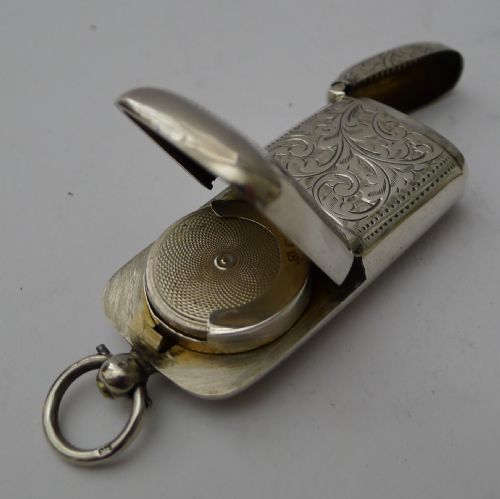
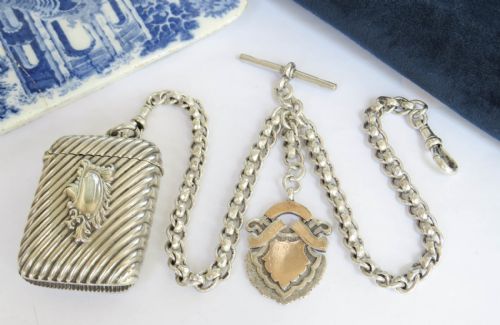
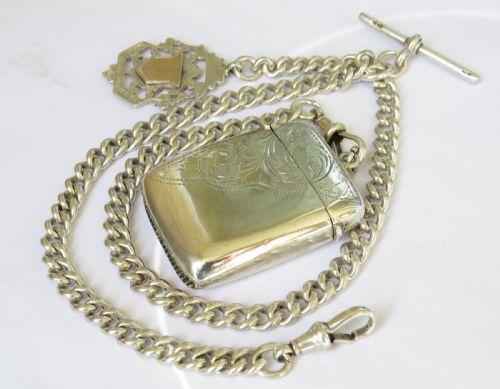
- A small matchbox, often engraved to match a watch chain, designed to be carried in the pocket. These containers frequently accompany fobs from the Victorian and Edwardian periods.
- Albert chain
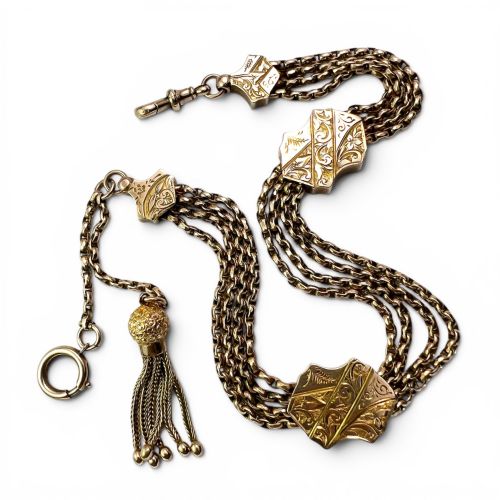
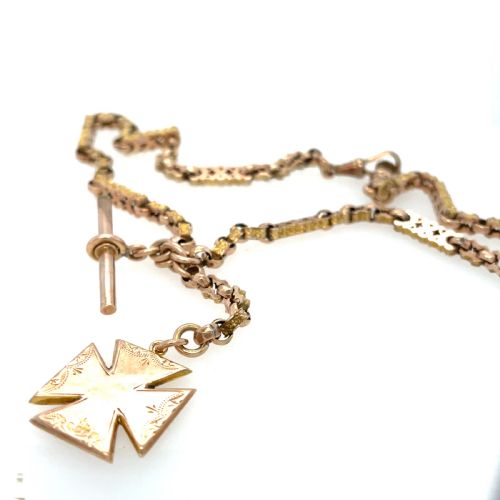
- A type of pocket watch chain named after Prince Albert, worn across the waistcoat. Fobs and pendants typically hang from the centre drop of this chain.
- Carnelian
- A reddish-orange variety of chalcedony quartz commonly used for the stone face of fob seals. Its hardness made it durable for repeated use in stamping sealing wax.
- T-bar
- A small metal crossbar attached to a watch chain that slips through a buttonhole to secure the chain to a waistcoat. Fobs hung directly beneath this fastening point.
Engraved Watch Fob: Frequently Asked Questions
What is an engraved watch fob used for?
An engraved watch fob served primarily as a decorative pendant hanging from a pocket watch chain, often doubling as a personal seal for stamping wax documents with a crest or initials.
Over time, these pieces also evolved into commemorative medals or decorative markers of membership in clubs and societies.
How do I wear a watch fob today?
Modern collectors often attach a fob to a short length of chain and wear it as a pendant necklace, or secure it to a traditional waistcoat chain.
The substantial weight and intricate metalwork also make them suitable for display on charm bracelets or simply as desk ornaments.
How can I tell the period of a fob?
Dating relies on examining the style of the engraving, the type of metal, and any accompanying hallmarks stamped onto the silver or gold mounts.
Victorian pieces tend to feature heavy chased floral designs and carnelian stones, while later Art Deco examples show cleaner geometric lines and medal formats.
What metals are commonly found on these pieces?
The listings feature a mix of sterling silver, nine-carat and eighteen-carat gold, gold plate, and gilt metal.
Precious metals were frequently hallmarked by regional assay offices such as Birmingham, providing a reliable guide to the year of manufacture.