



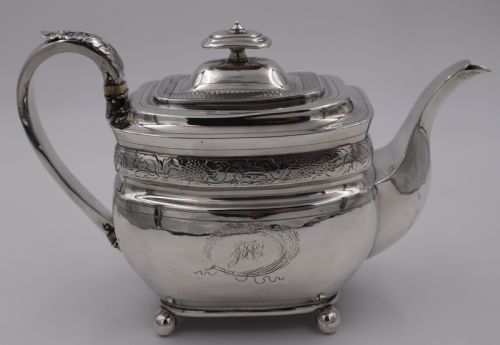

Engraved Solid Silver Pot
An engraved solid silver pot brings domestic heritage into daily use, offering the tactile weight of sterling silver and period craftsmanship.
Engraved Solid Silver Pot
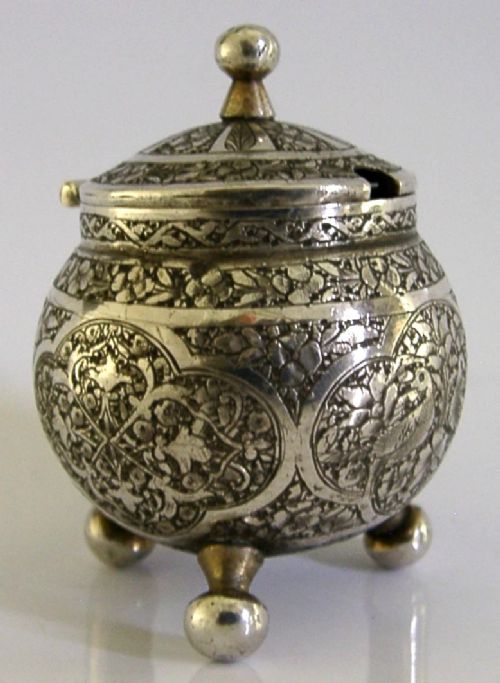
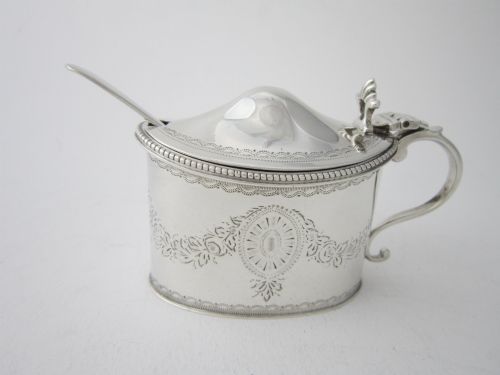
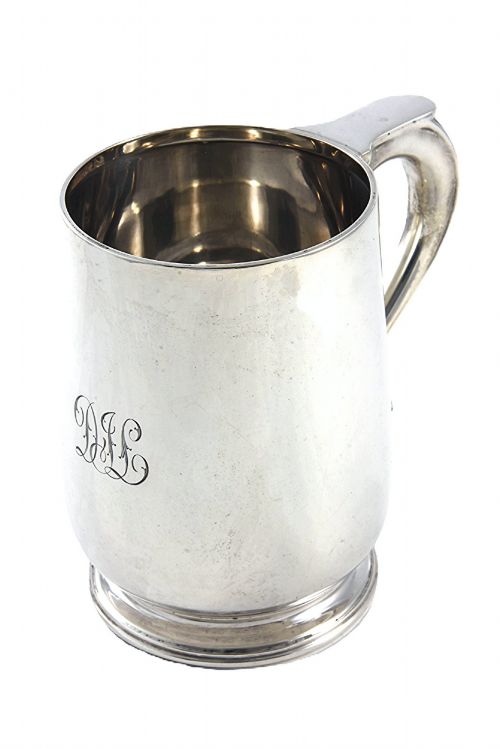
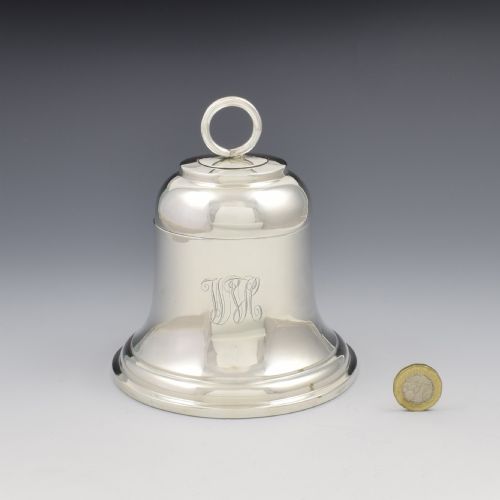
When you search for an engraved solid silver pot, you encounter an array of functional vessels spanning centuries of British and international metalwork. These pieces include teapots, condiment pots, mustard pots, inkwells, pepper pots, and watering cans.
The versions most frequently met on this page range from Georgian examples bearing provincial marks to Victorian and Edwardian iterations. Styles stretch across Georgian, George V, Edwardian, Victorian, Ottoman, Empire, and Victorian Neoclassical Revival periods.
Forms vary significantly based on their original domestic purpose, shifting from large tea and coffee vessels down to diminutive mustard and pepper pots. Materials occasionally incorporate contrasting elements like wood, glass, cane, ebony, and cut glass alongside the primary metal.
Materials and construction
Construction relies upon sterling silver and standard silver, shaped into hollowware bodies and fitted with supplementary elements. Artisans utilised wood, glass, cane, ebony, and cut glass for handles, insulators, and body liners.
Surface ornamentation is achieved through hand engraving, creating detailed panels and motifs across the exterior. Makers incorporated specialised fittings such as hinged lids, cast spouts, and applied bases to complete each functional vessel.
Among the utilitarian pots and teapots, an unexpected sterling silver owl pepper pot stands ready to guard the dining table.
Assessing craftsmanship
Quality reveals itself in the crispness and depth of the hand engraving across the silver surface. Finer examples display meticulous detail in panels and decorative motifs without softening from wear or over-polishing.
Structural integrity and the quality of secondary materials like ebony, cane, or cut glass distinguish standard production from superior work. Proportion, weight, and the balanced execution of spouts, handles, and hinges separate ordinary items from exceptional pieces.
John and George Angell
The Engraved Solid Silver Pot Glossary
- Sterling silver
- A silver alloy containing 92.5 percent pure silver and 7.5 percent other metals, usually copper, ensuring durability for domestic vessels.
- Provincial silver
- Silverware manufactured and assayed outside the capital, often bearing regional town marks from centres such as Newcastle.
- Hollowware
- Vessels such as teapots, tankards, and pots formed from sheet metal rather than cast solidly.
- Cut glass
- Glassware shaped and patterned by cutting abrasive wheels into the surface, frequently paired with silver mounts in jars and pots.
Engraved Solid Silver Pot: Frequently Asked Questions
What periods do these pots cover?
The selection spans several eras, including Georgian, Regency, Victorian, Edwardian, and the 1920s.
Specific stylistic revivals such as Empire and Victorian Neoclassical Revival also appear across the inventory.
What materials are used alongside the silver?
Makers frequently incorporated contrasting elements for insulation and decoration.
Materials recorded include wood, glass, cane, ebony, and cut glass.
How were these pots used?
They served various domestic and desk functions, from pouring tea and coffee to holding condiments like mustard and pepper.
Other forms acted as inkwells or decorative vanity containers.
How can I tell the period?
Dating relies on stylistic markers, period-specific forms, and official hallmarks stamped into the metal.
Assay marks and provincial town marks provide precise chronological indicators.