


Empire Style Silver
Empire style silver brings neoclassical French grandeur into a room through classical motifs, disciplined symmetry, and rich metalwork.
Empire Style Silver
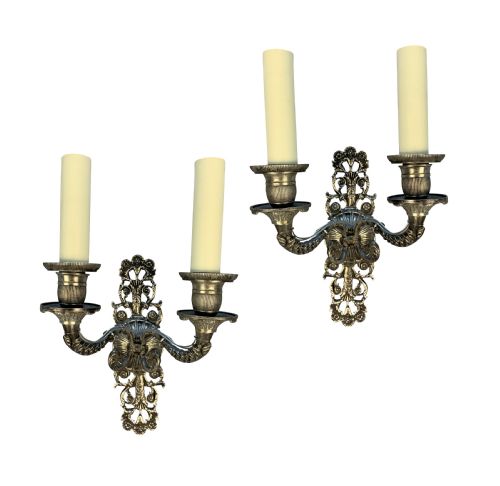
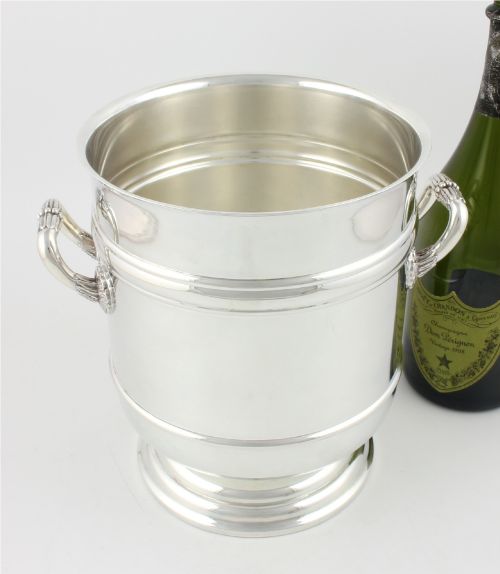
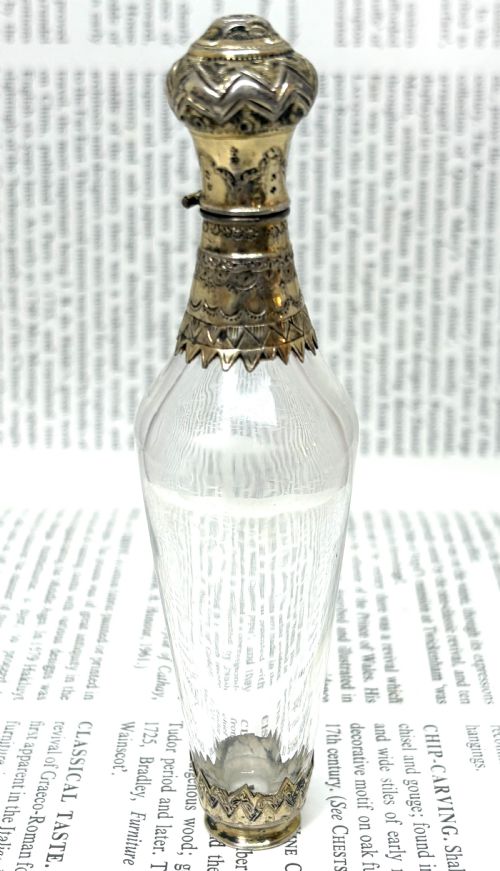
When you search for empire style silver, you encounter French-inspired furnishings and decorative objects rooted in the nineteenth century. The selection ranges from nineteenth-century scent bottles and solid silver coffee pots to twentieth-century silver-plated serving trays and champagne coolers.
How they were made
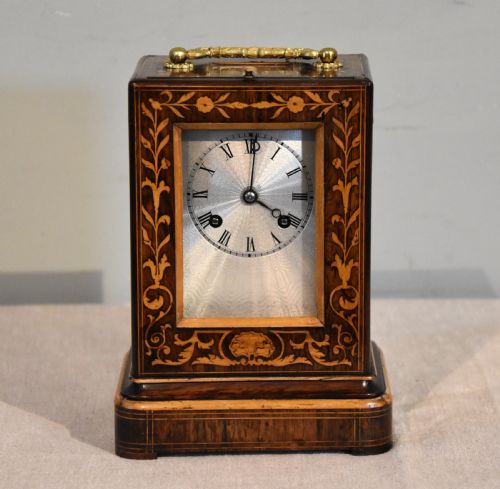
Maker workshops utilised silver plate, solid silver, silver gilt, and silvered bronze combined with structural elements of brass, glass, and rosewood. Surface decoration relied upon hand engraving and parcel silvering on painted wood.
Foundries and silversmiths cast bronze and precious metals to render figurative scenes, such as Napoleon Bonaparte on his charger, alongside classical architectural mounts.
Listings feature items spanning the 1800s, 19th Century, 1850, Edwardian era, 1900, 1920, and 1950.
What varies in quality
Quality rests in the crispness of the chased and engraved detail across the metal surfaces. Pieces featuring high-relief figures and deep hand engraving command greater visual authority than simpler plated versions.
The choice of secondary materials, such as inlaid rosewood or marble tops on centre tables, distinguishes standard production from more ambitious workshop output.
Christofle·Lerolle Fres·Wedgwood
The Empire Style Silver Glossary
- Silver plate
- A thin layer of silver fused to a base metal core. This technique allowed makers to produce large dining and display items at a lower cost than solid silver.
- Silver gilt
- Silver that has been coated with a thin layer of gold on its surface. It provides a warm, rich finish often seen on smaller luxury items like scent bottles.
- Silvered bronze
- Bronze treated with a silver finish to resemble solid silver. This alloy was commonly used for decorative centrepieces and sculptural clock mounts.
- Parcel silvered
- A decorative treatment where selective areas of an object are highlighted with silver leaf or plating. It creates contrast against painted or dark wood surfaces.
Empire Style Silver: Frequently Asked Questions
What is empire style silver?
Empire style silver encompasses decorative objects and tableware drawing on neoclassical French design. The aesthetic relies on classical symmetry and motifs associated with the Napoleonic era.
Items in this category range from nineteenth-century solid silver coffee pots to twentieth-century silver-plated champagne coolers and serving trays.
How do I date empire style pieces?
Dating relies on material combinations, manufacturing techniques, and stylistic markers recorded across the nineteenth and twentieth centuries. Earlier pieces often feature solid silver or silver gilt, while later revivals frequently utilise silver plate.
Maker marks and specific stylistic iterations, such as Napoleon III or Edwardian adaptations, also help establish the chronology of an object.
Where were these items made?
The vast majority of pieces associated with this style originate from French workshops and silversmiths. Prominent makers like Christofle produced large-scale serving trays and coolers in France.
Design influences remained closely tied to Parisian decorative arts through the nineteenth century and subsequent revival periods.
How do I style them at home?
These decorative objects work well as focal points on dining tables, sideboards, or mantelpieces. Pairing a silver-plated centerpiece or clock with classical furniture enhances the neoclassical aesthetic.
Mixing silvered bronze and brass elements with wood surfaces adds textural depth without overwhelming a room.