


Engraved Silver Plated Lid
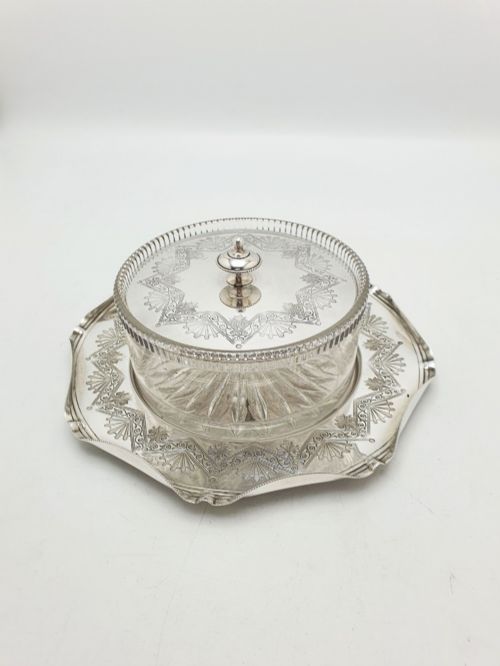
An engraved silver plated lid tops serving dishes, butter pots, and jugs from the eighteenth and nineteenth centuries.
Engraved Silver Plated Lid
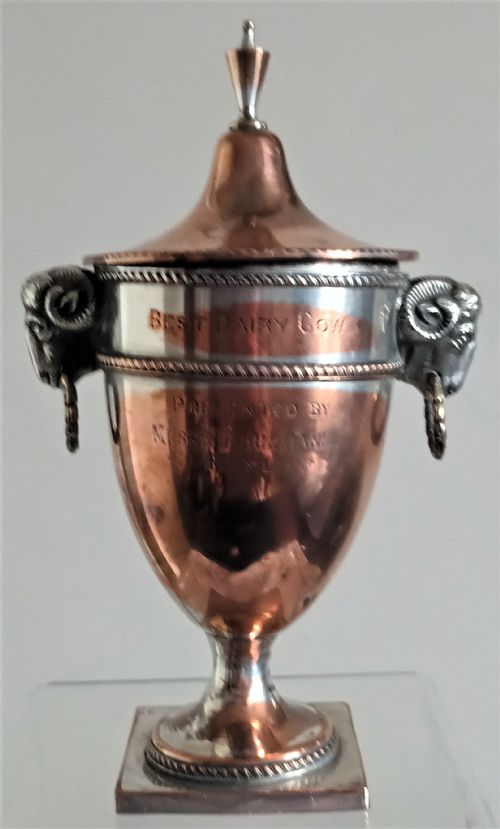
When you search for an engraved silver plated lid, you find functional tableware and serveware designed to cover butter dishes, entree dishes, jugs, and small urns. These pieces originate from various periods including Georgian, Regency, Victorian, and Edwardian eras.
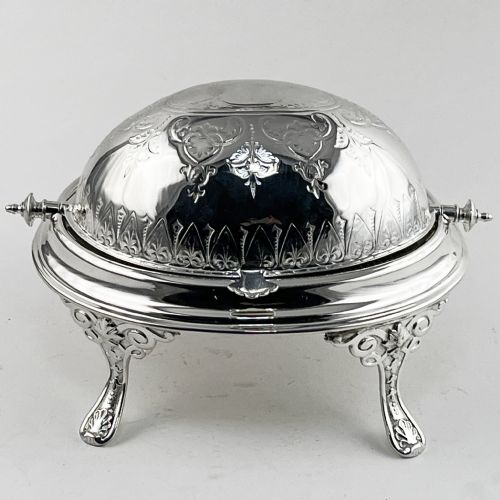
You are most likely to meet nineteenth century Victorian examples on this page, often taking the form of revolving lidded butter dishes, double rollover dishes, and lidded beer tankards. Alongside these domestic items, the selection includes ecclesiastical vessels such as communion jugs and decorative urns.
The objects combine practical dining utility with ornamental decoration, frequently incorporating glass liners within silver plated mountings. The lids themselves provide the primary canvas for hand-engraved motifs, crests, and floral patterns.
Materials and construction methods
Makers produced these pieces using silver plate, Old Sheffield plate, copper, and electroplated nickel silver as base metals. Old Sheffield plate involved fusing a thin sheet of silver to a copper core, while later methods utilised electroplating silver directly onto nickel silver or copper bases.
Glass and cut glass frequently form the body of butter dishes and decanters, paired with hinged or revolving metal lids. Engraving was applied by hand using gravers to cut fine lines, borders, and heraldic details into the metal surface.
Materials represented across the inventory include silver plate, Old Sheffield plate, copper, glass, and electroplated nickel silver.
Distinctions in quality
Quality rests upon the crispness and depth of the hand engraving and the preservation of the underlying metal beneath the silver layer. Superior examples display sharply defined motifs without excessive wear through to the base copper or nickel.
Constructional integrity also separates the output, seen in the smooth operation of hinges, revolving mechanisms, and tightly fitted lids. Makers who applied thick plating and robust joints produced vessels that survived centuries of daily use.
Elkington·Cresswick
The Engraved Silver Plated Lid Glossary
- Old Sheffield Plate
- An early form of silver plating created by fusing a sheet of sterling silver to a thicker copper ingot before rolling them into sheets together.
- Electroplated Nickel Silver
- A base metal alloy of copper, nickel, and zinc coated with a layer of silver using an electrical current.
- Entree Dish
- A lidded serving vessel used at the dining table for presenting main courses or side dishes.
- Old Sheffield Plate
- An early form of silver plating created by fusing a sheet of sterling silver to a thicker copper ingot before rolling them into sheets together.
- Communion Jug
- A large lidded vessel utilised in ecclesiastical settings for holding sacramental wine.
Engraved Silver Plated Lid: Frequently Asked Questions
What were engraved silver plated lids used for?
These lids served to keep food warm and protect butter, preserves, and beverages from dust and insects on the dining table. They covered specialised vessels such as butter dishes, entree dishes, and drinking tankards.
In addition to domestic dining, similar lidded vessels functioned as communion jugs in churches. The engraved decoration often displayed family crests, monograms, or decorative foliage to signify the status of the household.
How do I date an old silver plated lid?
Dating relies on stylistic clues, manufacturing techniques, and any maker marks stamped into the metal. Georgian and Old Sheffield pieces from the eighteenth century typically feature fused plates with visible copper seams at the edges.
Victorian items from the mid to late nineteenth century often incorporate mechanical elements like revolving or double rollover lids. Edwardian examples from around 1900 display refined revival styles reflecting earlier Georgian and Victorian aesthetics.
What is the difference between Old Sheffield plate and electroplate?
Old Sheffield plate was made by thermally fusing sterling silver to copper before shaping the metal. This mechanical fusion creates a rich sheen and often reveals a thin line of dark copper along unplated edges.
Electroplate uses an electrical bath to bond silver particles onto a base metal, usually nickel silver or brass. This later technique, introduced in the mid-nineteenth century, allowed for more uniform coverage and complex decorative stampings.
How should I clean silver plated tableware?
Cleaning requires a mild silver polish and a soft cloth to remove tarnish without abrading the thin silver layer. Avoid harsh chemical dips, which can strip the remaining plating and damage exposed base metals.
Store pieces in a dry environment away from direct sunlight and humidity. Regular handling and gentle wiping prevent heavy tarnish accumulation on the engraved surfaces.