




Engraved Silver Fruit Bowl
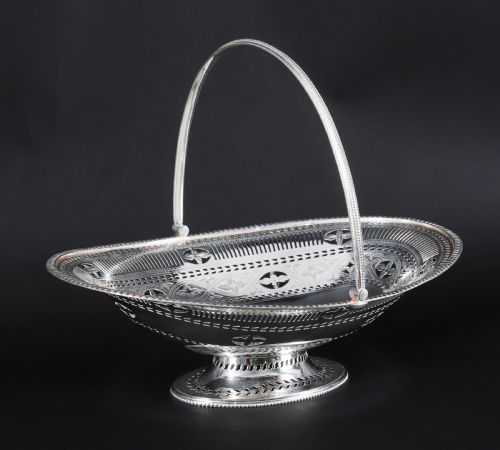
These engraved silver fruit bowl examples bring chased decoration and pierced metalwork to the dining table.
Engraved Silver Fruit Bowl
An engraved silver fruit bowl serves as a table centrepiece designed to hold seasonal produce, taking forms such as baskets, comports, and dishes. When you search for an engraved silver fruit bowl, you encounter holloware spanning the Georgian, Victorian, and Edwardian eras.
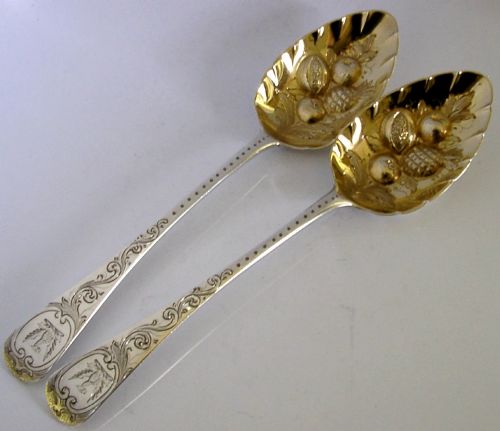
The selection on this page relies heavily on Victorian and Edwardian examples, alongside Georgian serving spoons and nineteenth century bread dishes. These items often feature floral engraving or family crests, reflecting the dining customs of their respective periods.
How they were made
Makers utilised sterling silver, silver plate, silver gilt, and EPNS as base materials, occasionally incorporating brass and copper in mixed metal pieces. Silversmiths formed the bowls through casting and raising techniques, shaping metal into deep vessels and wide rims.
Decoration was applied by hand using engraving tools to cut intricate floral and geometric patterns into the surface. Gilding was also employed on specific sterling silver objects to create a gold coating over the silver.
Engraved Silver Fruit Bowl Retail Price Guide 2026
Typical asking prices for engraved silver fruit bowl among the pieces listed under this phrase on Sellingantiques today, from the lower quarter to the upper quarter. They describe what is for sale here now, not the wider market.
Some Victorian spoons were repurposed specifically for eating berries, complete with engraved handles designed for nineteenth-century dessert rituals.
What varies in quality
The distinction between standard production and superior craftsmanship rests on the weight of the metal and the crispness of the engraving. Pieces produced by established silversmiths display deeper chasing and more substantial gauge metal than mass-market alternatives.
Condition and originality also divide the range, particularly regarding the preservation of the original silver plating or the integrity of the gilt finish. Maker marks and family crests provide historical depth that elevates specific items.
William Chawner II·Walker & Hall·James Dixon·Garrard London·S Kirk And Son Company
The Engraved Silver Fruit Bowl Glossary
- Silver gilt
- Silver that has been coated with a thin layer of gold on its surface. This technique provides the appearance of solid gold while utilising silver as the underlying metal.
- EPNS
- Electroplated nickel silver, a common base metal alloy used for plated tableware. It offers the visual appeal of silver at a different manufacturing cost.
- Comport
- A decorative stand or elevated bowl used for serving fruit or sweetmeats at the table. These vessels sit on a footed base to raise them above the table surface.
- Cairoware
- Metalwork originating from or inspired by Islamic metalcraft traditions of Cairo, typically involving brass inlaid with silver and copper. These mixed metal items demonstrate nineteenth-century revivalist aesthetics.
- Holloware
- Tableware items such as bowls, baskets, and dishes that possess volume and depth. This category distinguishes vessels from flatware like spoons and forks.
Engraved Silver Fruit Bowl: Frequently Asked Questions
How do I clean an engraved silver fruit bowl?
Use a soft cloth and a specialised silver cleaner designed to lift tarnish without damaging the fine engraved lines. Avoid harsh abrasive pads that can wear away silver plating or thin sterling surfaces.
For pieces with gilt or mixed metals, apply cleaning agents with extra care around inlaid sections. Store the bowl in a dry environment to slow down future oxidation.
Can I use these bowls for actual fruit?
These bowls function well for holding dry or hard fruits such as apples, oranges, and lemons. Acidic fruits left in direct contact for long periods can occasionally react with older metal surfaces.
Lining the bowl with a cloth or doily offers a practical barrier between the fruit and the antique metal. Many collectors prefer to display them empty to appreciate the engraved patterns and pierced work.
How do I identify a Victorian piece?
Victorian items frequently exhibit stylistic revivals such as Neoclassical, Rococo, or Mamluk designs alongside heavy floral engraving. Hallmarks and registration stamps on the metal can provide specific decade indicators for the manufacturing date.
Design motifs on these vessels often mirror the changing domestic tastes of the nineteenth century. Examining the construction technique reveals the transition from handmade Georgian traditions to later industrial methods.