



Engraved Serving Spoons
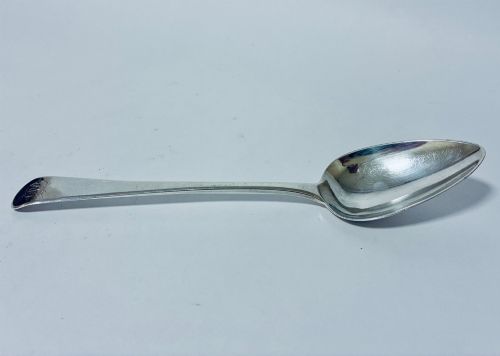
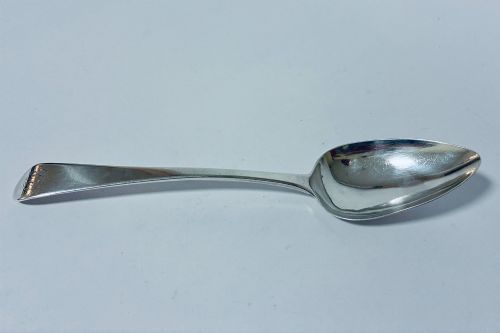
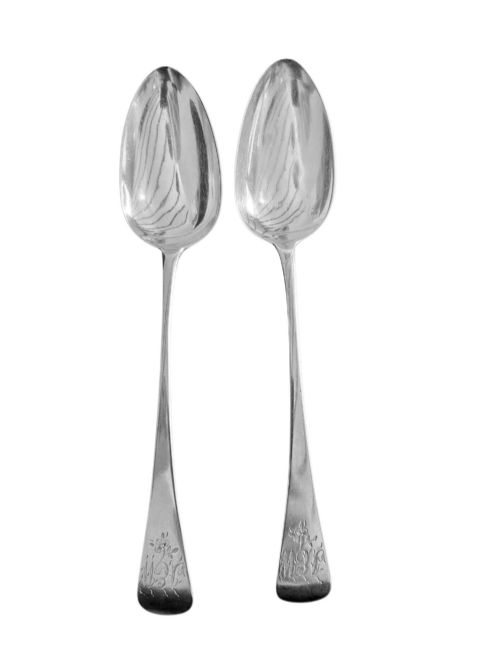
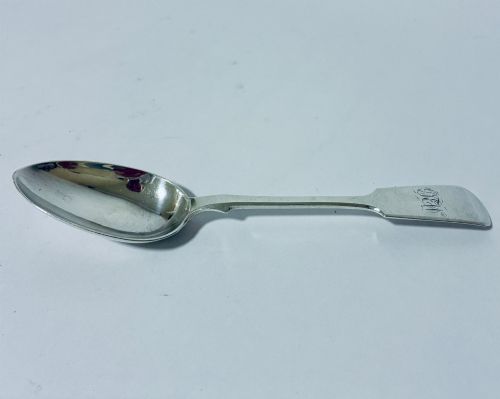
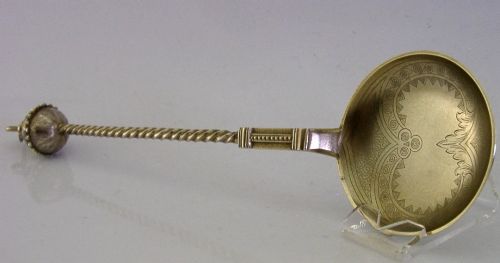
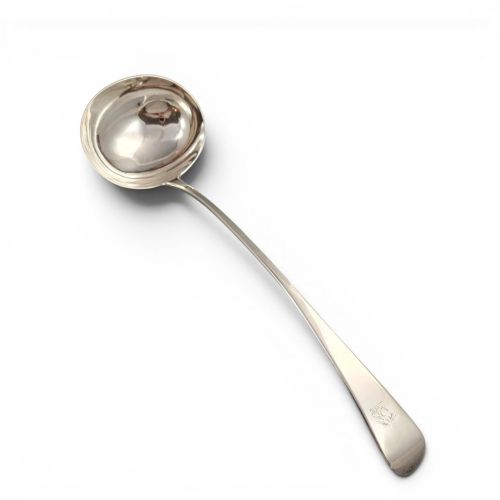
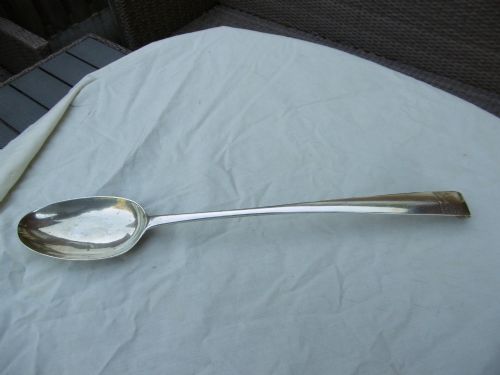
These engraved serving spoons bring weight and history to the table, offering finely chased bowls and crests across Georgian and Victorian periods.
Engraved Serving Spoons
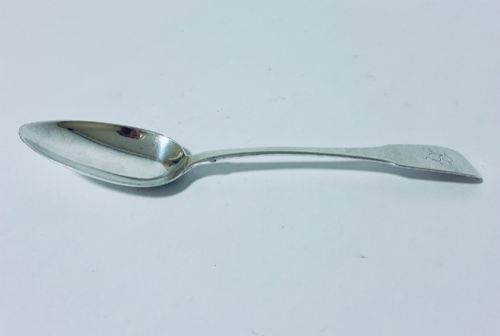
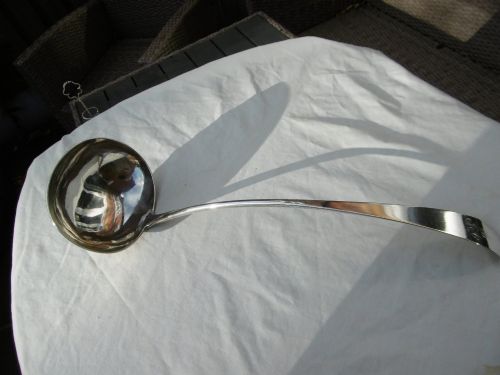
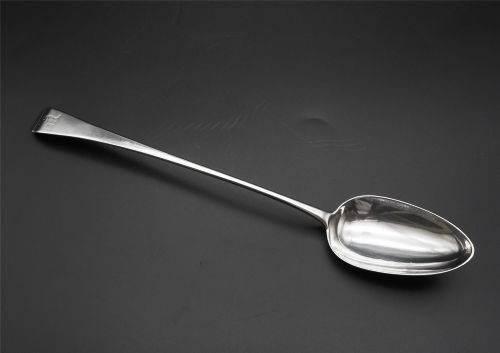
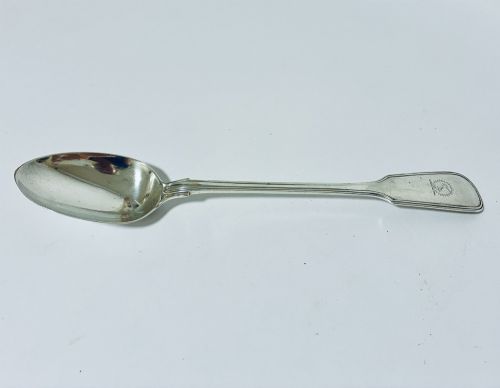
When buyers search for engraved serving spoons, they encounter large silver flatware designed for sharing meals, including basting spoons, soup ladles, and fruit sets.
The pieces on this page span the Georgian, Victorian, and Edwardian periods, alongside regional Dutch, Scandinavian, and Russian items in sterling silver, silver gilt, and silver plate.
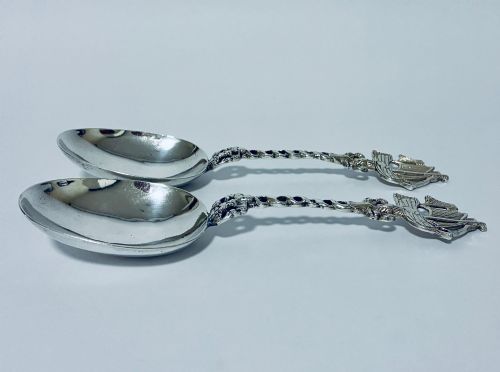
Makers shaped these utensils as serving spoons, gravy strainers, and tablespoons, often incorporating crests and decorative handles suited for formal dining.
What varies in quality
The distinction lies in the depth and crispness of the engraved handles and crests, alongside the weight and balance of the solid silver in the hand.
Maker marks from provincial assay offices or recognised silversmiths elevate a piece, as do complete boxed sets lined with silk and velvet.
Engraved Serving Spoons Retail Price Guide 2026
Typical asking prices for engraved serving spoons among the pieces listed under this phrase on Sellingantiques today, from the lower quarter to the upper quarter. They describe what is for sale here now, not the wider market.
John Lambe·Milne and Campbell·William Chawner II·James Tookey·Michael Smith·Jabez Daniell·Richard Rae
The Engraved Serving Spoons Glossary
- Berry spoon
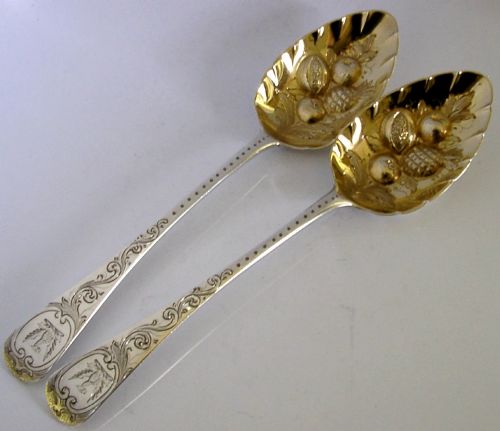
- A serving spoon retrofitted or originally chased with fruit and leaf motifs on the bowl and handle during the Victorian era. These spoons were often produced in pairs and used for serving soft fruits.
- Basting spoon
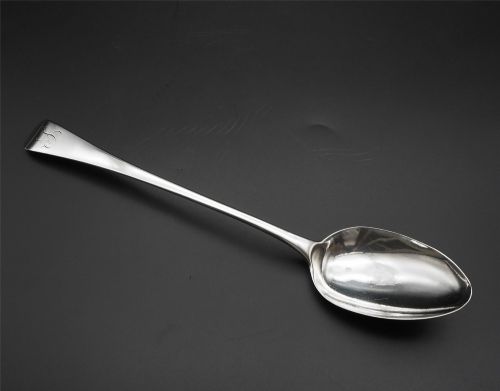
- A large spoon historically used to ladle juices over meat during roasting. They measure considerably longer than standard tablespoons and frequently feature family crests.
- Silver gilt
- Silver covered with a thin layer of gold through a process called vermeil or gilt. This technique protects the underlying silver and provides a dual-tone appearance.
- Old English pattern
- A traditional flatware design featuring a rounded end pointing downwards with a crisp drop on the heel. It became the dominant style for spoons and forks from the late eighteenth century onwards.
- Niello
- A black metallic alloy used as an inlay on engraved silver. It creates sharp contrast against the bright silver background.
Engraved Serving Spoons: Frequently Asked Questions
What are engraved serving spoons used for today?
Modern collectors utilise these large spoons for serving dishes at the dining table, from vegetables to roasted meats and desserts.
They also display well in cabinets or flatware rolls, bringing historical craftsmanship into contemporary homes.
How do I identify a Georgian serving spoon?
Georgian spoons typically display hallmarks indicating London, Exeter, York, or Scottish assay offices, alongside reigning monarch duty marks.
They often feature Old English or Hanoverian patterns and family crests engraved on the terminal.
What is the difference between a basting spoon and a tablespoon?
Basting spoons are substantially larger and longer than standard tablespoons, designed to reach deep roasting pans.
Tablespoons measure smaller and were intended for individual place settings or serving side dishes.
Are silver gilt serving spoons different from solid silver?
Silver gilt items are made from solid sterling silver that has received a thin coating of gold over the surface.
This finish gives the spoon a warm golden hue while retaining the underlying silver structure and hallmarks.