






Engraved Metal Bowl
An engraved metal bowl brings rich pattern and honest weight to a room, ranging from Mamluk brass to English pewter.
Engraved Metal Bowl
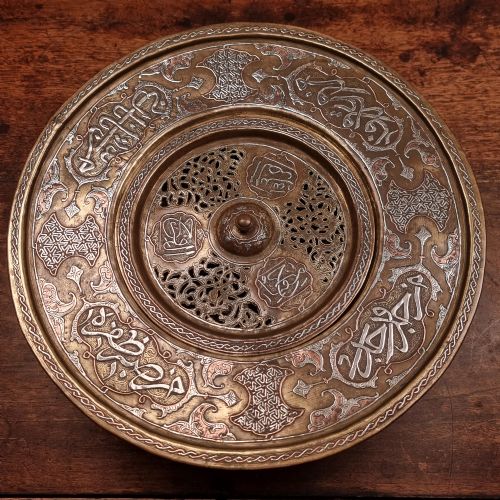
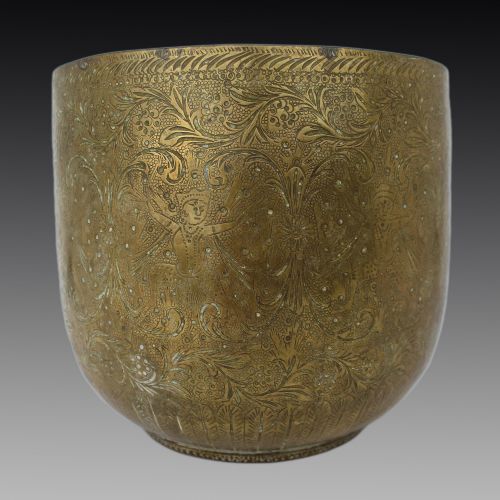
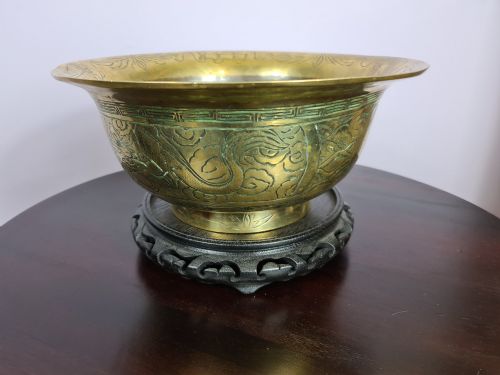
An engraved metal bowl unites utility and ornament, spanning domestic vessels and ceremonial basins across centuries. When you search for an engraved metal bowl, you encounter domestic items, jardinieres, and large basins created for daily use or display.
The examples gathered here draw from diverse origins, including Islamic metalwork from Egypt, Syria, and Persia alongside Anglo-Indian and Chinese pieces. Brass and bronze predominate, though pewter and copper appear frequently in English and continental forms.
Vessels range from nineteenth-century Victorian cairoware and Indian ceremonial bowls down to sixteenth-century Mamluk basins and Safavid examples. Forms extend from deep cachepots and pedestal bowls to flat dishes and champagne coolers.
What varies in quality
Quality rests in the depth and crispness of the hand-engraving, where confident chisel work separates master metalwork from simpler commercial output. Heavier gauge metals and complex multi-metal inlay schemes indicate superior workshop production.
The integrity of the surface patina and the preservation of original silver inlay define the standing of older Islamic and Indian vessels. Proportion and the balance between plain fields of metal and dense engraved panels determine the visual success of each piece.
Engraved Metal Bowl Retail Price Guide 2026
Typical asking prices for engraved metal bowl among the pieces listed under this phrase on Sellingantiques today, from the lower quarter to the upper quarter. They describe what is for sale here now, not the wider market.
A few bowls were designed specifically for welcoming cobras or holding betel nuts in traditional Asian households.
The Engraved Metal Bowl Glossary
- Cairoware
- Nineteenth-century brass and mixed metal wares produced in Egypt, heavily decorated with silver and copper inlay for the European export market.
- Mamluk Revival
- A nineteenth-century European and Middle Eastern style mimicking the intricate inlaid brasswork of the medieval Mamluk dynasty.
- Cachepot
- An ornamental flowerpot container designed to hold a plant pot inside without a drainage hole.
- Tazza
- A shallow bowl or cup mounted on a stem and foot, often used for display or serving.
Engraved Metal Bowl: Frequently Asked Questions
How do I clean an engraved metal bowl?
Dust gently with a soft brush to keep debris out of the engraved recesses. Avoid aggressive chemical polishes that strip away historic patination and damage inlaid silver.
For copper and brass, a dry microfibre cloth is usually sufficient. Retaining the darker tones within the engraved lines highlights the design.
Are these bowls waterproof?
Many metal vessels, particularly jardinieres and cachepots, held plants or water historically. However, old soldered seams or aged pewter can develop microscopic leaks over time.
It is safest to place a modern plastic liner inside antique planters before adding soil and live plants. This protects the original interior surface from mineral deposits.
How can I tell an older Islamic bowl from a Victorian revival piece?
Earlier pieces from the Mamluk or Safavid periods display heavy, hand-forged brass bodies with deeply incised calligraphy and heraldic motifs. The wear patterns reflect centuries of ceremonial or domestic handling.
Victorian cairoware and revival pieces often combine brass, copper, and white metal alloys in denser, highly symmetrical patterns made for export. The construction methods and cleaner joinery usually point to nineteenth-century production.
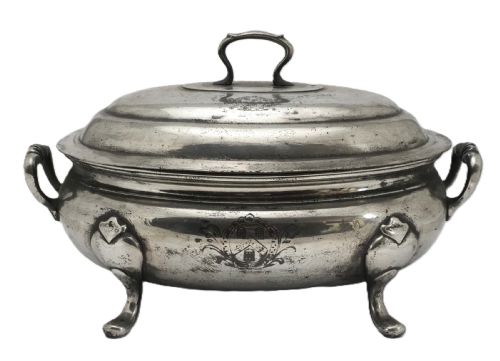
What was a pewter tureen used for?
Pewter tureens served rich soups and stews at formal dining tables during the eighteenth century. Their substantial metal walls helped retain the heat of the food during long meals.
Engraved crests or corporate arms, such as those of the Worshipful Company of Pewterers, indicate presentation pieces or corporate dining silver replacements.