




Engraved Glass Cup
An engraved glass cup brings centuries of fine toasts to your table, offering tactile weight and historic charm.
Engraved Glass Cup
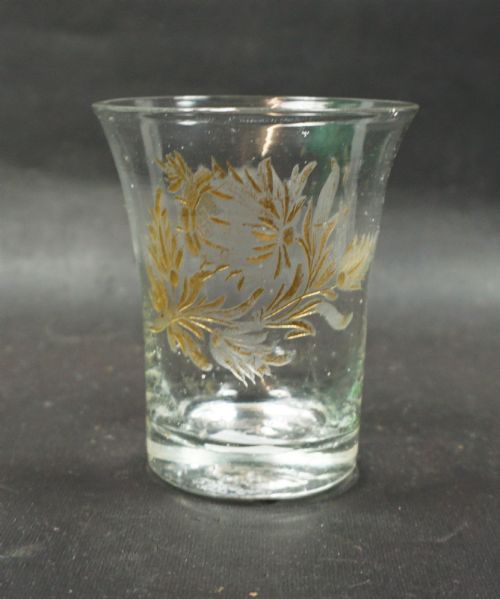
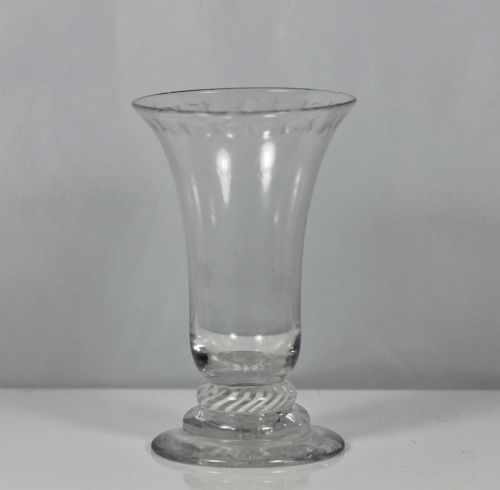
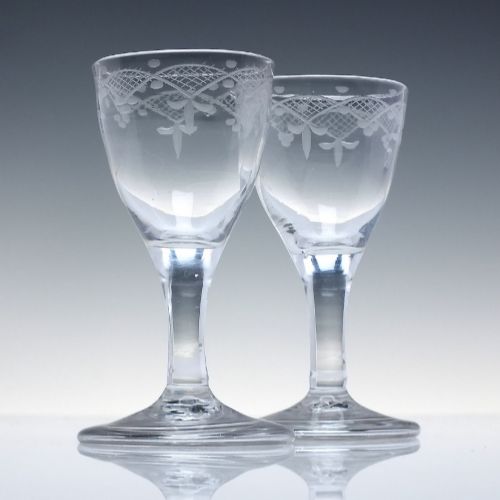
An engraved glass cup encompasses everything from delicate dram glasses and jelly cups to robust commemorative goblets and spirit beakers. These vessels span Georgian, Victorian, and Edwardian periods, reflecting centuries of social drinking habits and table customs.
The version most commonly met on this page is the traditional drinking vessel or commemorative goblet, often fashioned from clear or lead glass. Many examples incorporate sterling silver mounts, silver gilt, or leather details.
Originating across English and Russian workshops, these pieces range from naive domestic items to grand presentation pieces for royal coronations.
How they were made
Makers shaped lead glass and clear glass while molten, utilising free-blowing or mold-blowing techniques before applying surface decoration. Artisans then employed wheel-engraving or etching to cut intricate floral motifs, crests, or commemorative text directly into the vessel.
Engraved Glass Cup Retail Price Guide 2026
Typical asking prices for engraved glass cup among the pieces listed under this phrase on Sellingantiques today, from the lower quarter to the upper quarter. They describe what is for sale here now, not the wider market.
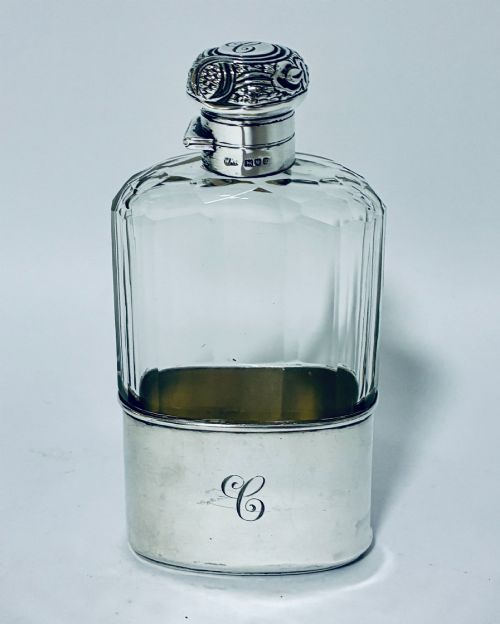
One Edwardian hip flask pairs silver with crocodile style leather, ensuring stylish refreshment during nineteenth-century commutes.
What varies in quality
The clarity and weight of the metal determine the foundational quality of the glass body, with lead crystal offering greater brilliance and depth than standard glass. Superior vessels display crisp, confident wheel-engraving where lines possess deliberate variation rather than shallow surface scratching.
Quality also rests in the integration of secondary materials, such as heavy gauge sterling silver mounts and securely fitted folded feet. The harmony between the glassblower's craft and the metalworker's precision dictates the standing of each piece.
Aleksandr Timofeyevich Shevyakov
The Engraved Glass Cup Glossary
- Lead glass
- Glass containing lead oxide to increase refractive index and weight. This material produces a clear ring when struck and allows for deeper, sharper engraving.
- Folded foot
- A base edge turned under while hot to create a thickened, rounded rim. This technique strengthens the resting point of drinking glasses.
- Parcel gilt
- Silver or another metal partially coated with a thin layer of gold. It highlights specific decorative elements on goblets and spirit beakers.
- Dram glass
- A small drinking vessel traditionally used for serving spirits. These cups often feature sturdy proportions suited for quick toasts.
- Rummer
- A large, heavy drinking glass popular in the eighteenth and nineteenth centuries. They typically sit on a short stem with a substantial foot.
Engraved Glass Cup: Frequently Asked Questions
What is an engraved glass cup used for?
These cups served various beverages throughout history, ranging from daily drams of spirits and ale to ceremonial toasts at royal coronations.
Today, they function as display pieces or working glassware for collectors who appreciate historic dining traditions.
How do I care for antique glass?
Wash these pieces gently by hand in warm water using mild soap, avoiding harsh scrubbing on engraved surfaces.
Store them securely on stable shelving away from edges where stems and handles might catch.
How can I tell the period?
Dating relies on stylistic clues, including the depth of the metal, the presence of folded feet, and specific commemorative inscriptions.
Silver mounts often bear hallmarks that confirm exact years and assay office locations.
Are silver mounts common on these cups?
Many examples incorporate sterling silver, parcel gilt, or leather elements alongside the glass body, particularly on hip flasks and spirit beakers.
These additions served both a structural and decorative purpose for portable drinking vessels.