


Engraved Clear Goblet
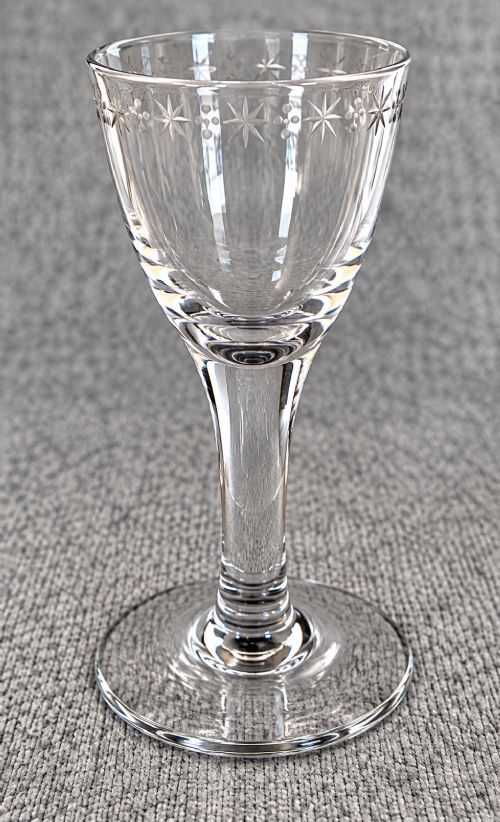
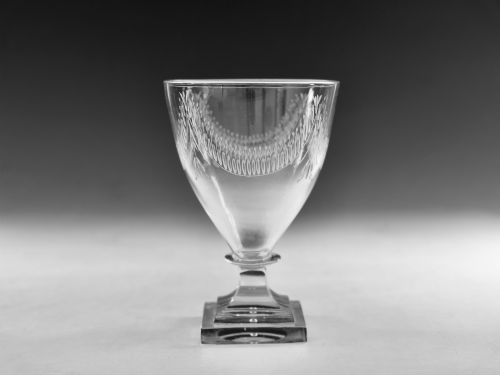
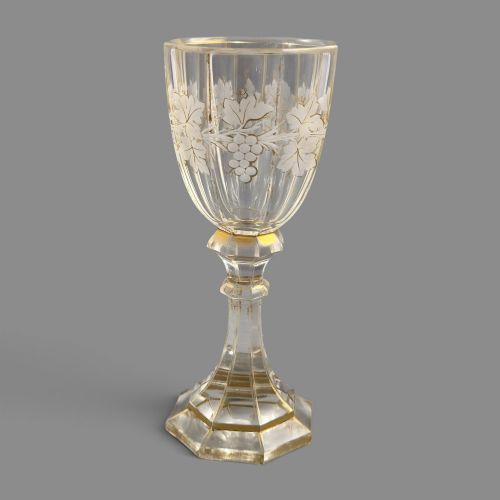
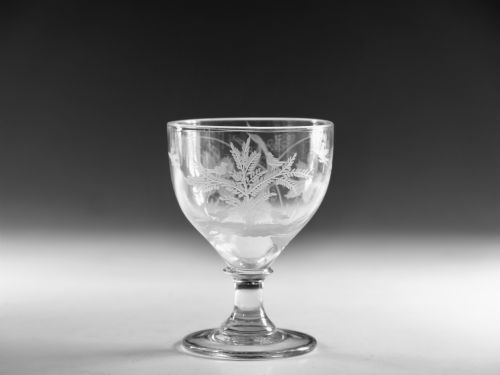
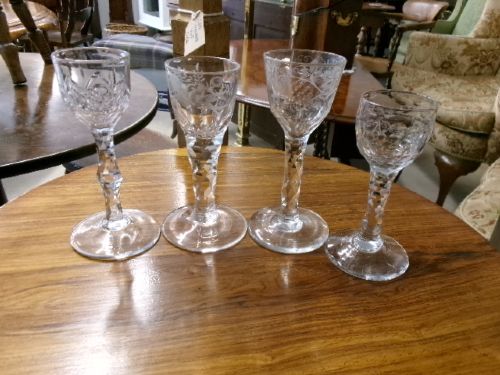
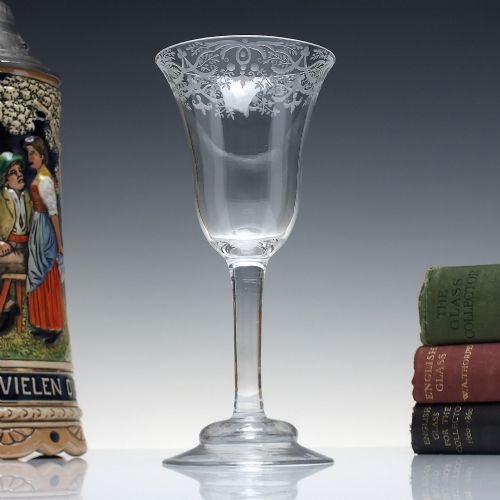
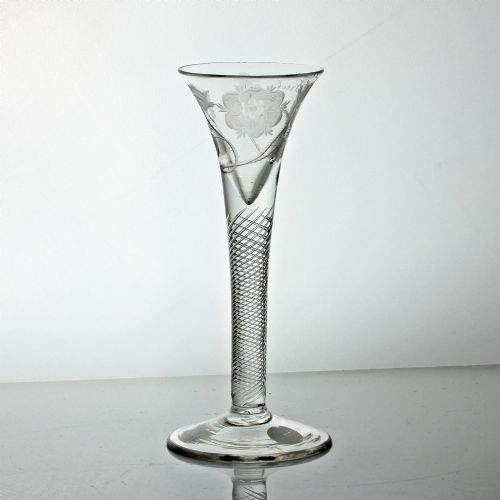
An engraved clear goblet brings together historic drinking vessels shaped by wheel and diamond point from the eighteenth and nineteenth centuries.
Engraved Clear Goblet
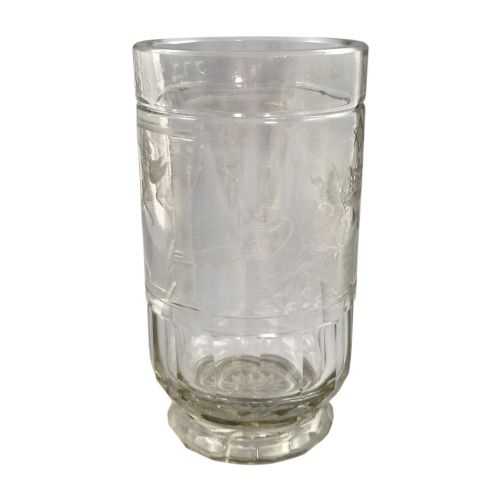
When you search for an engraved clear goblet, you encounter drinking vessels spanning several centuries of British and European glassmaking, primarily originating from the Georgian, Victorian, and Edwardian eras. These objects include wine glasses, rummers, dram glasses, ale glasses, and large ceremonial beakers designed for toast-drinking and social gatherings.
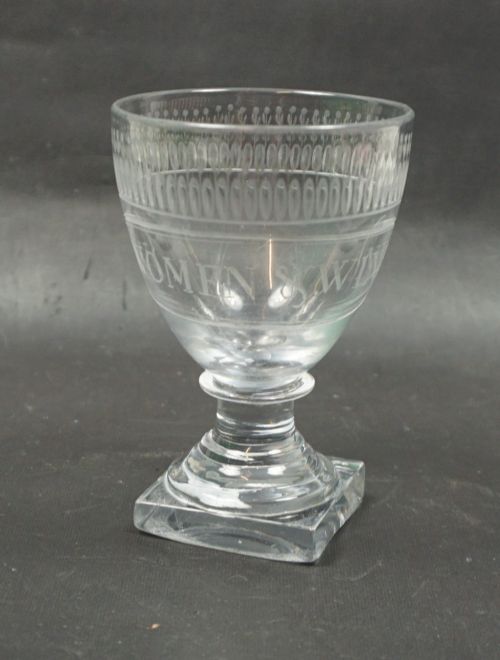
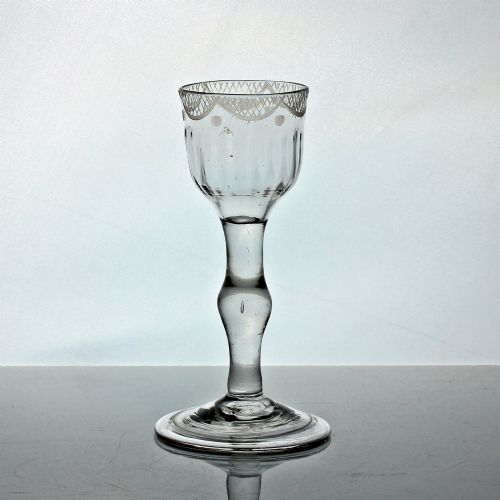
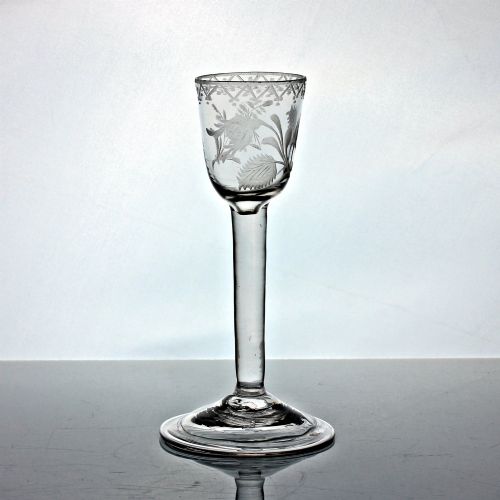
The assortment on this page reflects forms ranging from small eighteenth-century dram glasses to massive nineteenth-century presentation pieces and Bohemian crystal roemers. You meet vessels with plain stems, balustroid stems, faceted bowls, and wide foot bases, often decorated with floral motifs, armorials, or commemorative inscriptions.
How they were made
The material composition relies heavily on lead glass, lead crystal, and flint glass, which provided the clarity and weight necessary for deep wheel engraving and faceted cutting. Makers shaped molten glass by hand, incorporating air twists, opaque twists, and nut-moulded patterns into stems before applying surface decoration with copper wheels or diamond points.
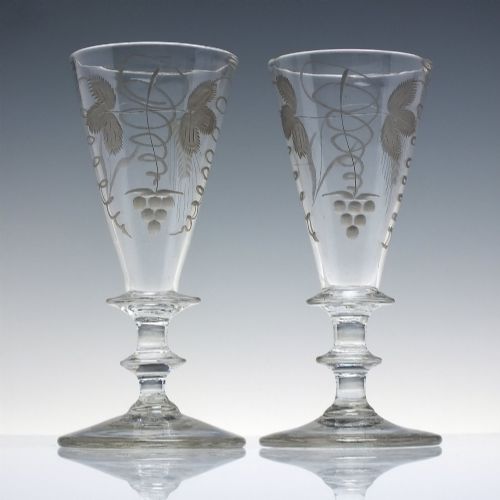
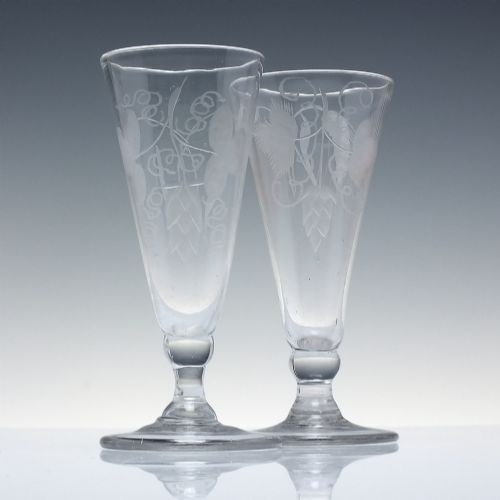
Decoration often includes detailed wheel-engraved hops and barley, floral swags, and commemorative emblems, occasionally accented with gilding or enamel. The combination of heavy lead content and skilled surface manipulation gave these drinking vessels their characteristic refractive brilliance and durability.
Listings span multiple centuries, uniting eighteenth-century wine glasses with nineteenth-century rummers and Edwardian crystal services.
What varies in quality
Quality in an engraved clear goblet rests upon the crispness of the wheel work and the purity of the metal itself. Master engravers achieved depth and shading through varied wheel pressures, whereas lesser examples show shallow, uniform lines lacking dimension.
The balance of the vessel, the absence of excessive bubbles or cloudiness in the lead crystal, and the symmetry of the stem and foot distinguish standard tablewares from exhibition pieces and armorial commissions.
Moser Bohemian·Webb Corbett
The Engraved Clear Goblet Glossary
- Lead crystal
- A high-clarity glass containing lead oxide that increases refractive index and weight. This material was widely utilised for eighteenth and nineteenth-century drinking vessels to enhance the brilliance of engraved surfaces.
- Rummer
- A large, heavy drinking glass with a thick stem and foot, popular during the Georgian and Victorian periods. Rummers were typically used for ale, wine, or punch.
- Air twist
- A decorative stem formation enclosing a spiral of elongated air bubbles trapped within the glass. This technique was mastered by eighteenth-century glasshouses.
- Opaque twist
- A stem featuring white or coloured enamel threads drawn into spiral patterns inside clear glass. Makers produced single and double series variations during the Georgian era.
- Intaglio
- A technique where the design is sunk below the surface of the glass rather than raised in relief. This method requires precise wheel cutting on heavy crystal.
Engraved Clear Goblet: Frequently Asked Questions
What were engraved clear goblets used for?
These vessels served functional roles in domestic dining and public taverns, holding wine, beer, ale, rum, and gin. Many larger examples functioned as ceremonial or commemorative pieces for toasts, marriages, and political allegiances.
Over time, heavy rummers and specialised ale glasses became central to social rituals, often featuring specific motifs like hops and barley to denote their contents.
How do I date an antique glass?
Dating relies on observing a combination of form, stem construction, pontil mark characteristics, and engraving style. Eighteenth-century pieces frequently feature air twists, opaque twists, or baluster stems, while nineteenth-century items often show heavy square lemon-squeezer bases or deep-cut faceting.
Comparing the metal composition and the specific motifs against documented examples helps narrow down the period of manufacture.
What is a rummer glass?
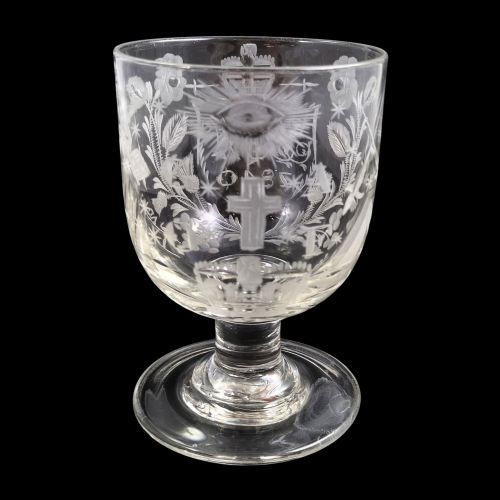
A rummer is a sturdy, capacious drinking glass developed in the late eighteenth century and continued through the Victorian era. They were designed for everyday utility, featuring wide bowls and thick stems suited to hearty toasts.
Many surviving rummers display wheel-engraved decorations celebrating agriculture, such as hops and barley, or carry family armorials and fraternal emblems.
How should I clean antique glass?
Antique glass requires gentle hand washing in lukewarm water with mild soap. Avoid abrasive sponges, harsh detergents, and sudden temperature changes that can stress old metal.
Dry the vessel immediately with a soft lint-free cloth to prevent water spots and preserve the clarity of the lead crystal.