


Antique Pub Glass
These antique pub glass pieces carry the functional charm of old taverns, offering a historic focal point that brings genuine tavern character to modern rooms.
Antique Pub Glass
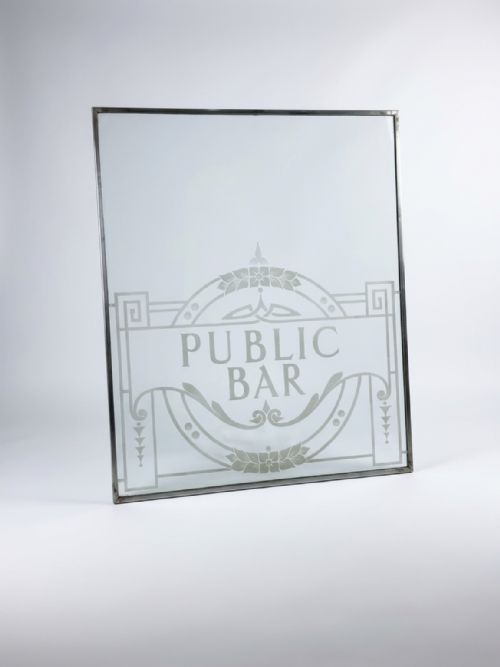
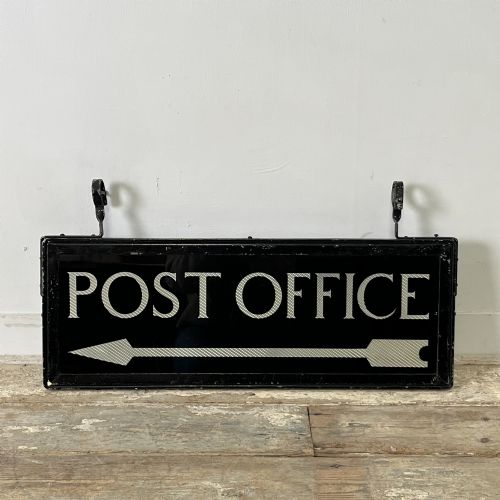
When you search for antique pub glass, you are looking at items that served trade and hospitality in nineteenth and early twentieth-century drinking establishments. These survivals range from large acid-etched windows and advertising mirrors to spirit dispensing barrels, decanters, and tavern rummers.
The most common examples you will meet on this page date from the Victorian and Edwardian eras, alongside pieces stretching into the 1920s and 1930s. They encompass both utilitarian glassware used for serving spirits and architectural glass panels designed to draw custom from the street.
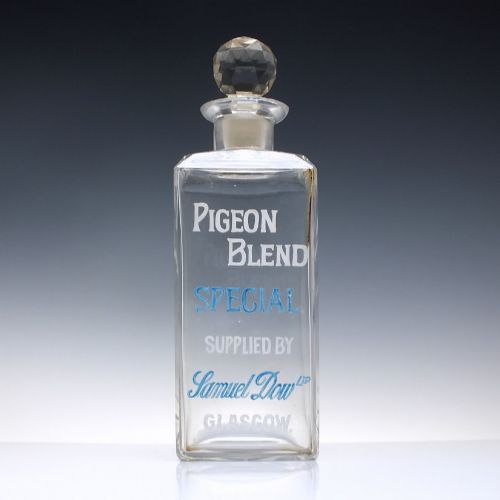
Many items bear the names of distilleries, breweries, or specific blends, linking them directly to the commercial trade of their period. Others take the form of heavy drinking vessels designed to withstand the rigorous daily service of a nineteenth-century tavern.
Materials and methods
Makers utilised clear glass, often thick and heavy, alongside specialist techniques like acid etching to produce opaque lettering and decorative motifs on mirrors and windows. Enamel paint and gold leaf frequently highlight brand names and regional details on decanters and signage.
Mountings and frames bring in contrasting materials such as oak, brass, and painted metal to support heavy glass panels and dispensing barrels. These structural elements were built robustly to survive demanding commercial environments.
Some nineteenth-century whisky decanters travelled all the way from Scottish distilleries in Aberdeen and Glasgow before finding their way onto modern display shelves.
Judging quality
Quality rests in the crispness of the acid etching, the depth of the cut glass, and the legibility of any remaining enamel or gold leaf lettering. Pieces retaining their original glass plates and authentic framing carry a stronger historical integrity.
The ambition of the design separates standard utilitarian items from exhibition-grade pieces, such as large multi-layered pictorial windows or heavy spirit dispensers bearing specific brewery provenances.
The Antique Pub Glass Glossary
- Acid etched
- A glass decoration technique using acid to eat away the surface, leaving a frosted design against clear glass. This method was widely utilised for pub windows and advertising mirrors.
- Rummer
- A heavy-stemmed drinking glass popular in nineteenth-century taverns for serving wine, rum, or punch. These vessels possess thick walls designed for robust daily use.
- Spirit dispenser
- A large glass vessel, sometimes fitted with taps or mounted on barrels, used in nineteenth-century bars to hold and serve spirits like gin or whisky. They often display prominent brewery branding.
- Tantalus
- A locking wooden frame holding three decanters visible but secure, preventing unauthorized access to the contents. Edwardian examples often incorporate brass fittings and oak housings.
- Enamel paint
- A glossy, durable paint applied to glass and ceramics before firing, used on decanters and signs to render brand names and regional details in vibrant colours.
Antique Pub Glass: Frequently Asked Questions
How do I clean an antique glass mirror?
Clean these surfaces gently with a dry or barely damp microfiber cloth to protect fragile silvering and nineteenth-century glass plates.
Avoid commercial chemical sprays, as modern solvents can lift historic paint, gold leaf, and acid-etched details.
Were these items used in domestic homes?
Most of these objects originated in commercial environments such as nineteenth-century pubs, taverns, and tobacco shops before entering the collector market.
Over time, items like tavern rummers and smaller mirrors transitioned into domestic settings for display and entertaining.
How can I date an etched pub window?
Dating relies on the typography, the depth and style of the acid etching, and the construction methods of the surrounding wooden or brass frame.
Victorian and Edwardian pieces often display distinct lettering styles and specific brewing titles that align with historical trade records.
Are spirit dispensers still usable today?
While many retain their original taps and barrels, most collectors display them as decorative historical objects rather than functional barware.
Age can make historic glass and internal seals fragile, so practical use is generally discouraged.