





Engraved Brass Mantel Clock
An engraved brass mantel clock brings mechanical precision and fine surface detail into a room, uniting functional timekeeping with decorative metalwork.
Engraved Brass Mantel Clock
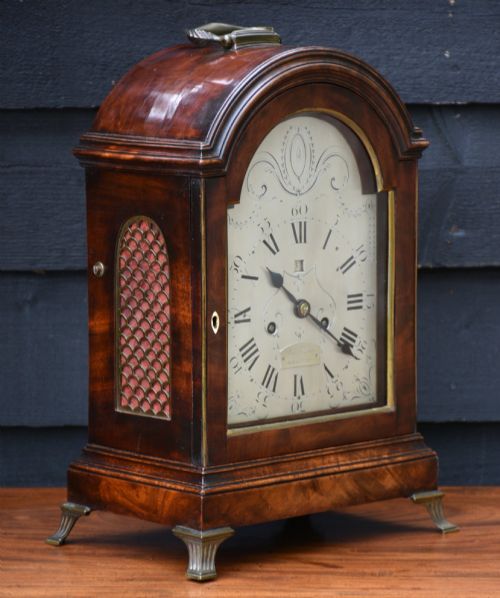
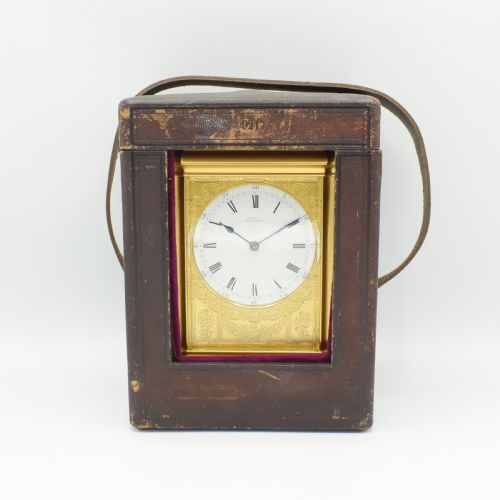
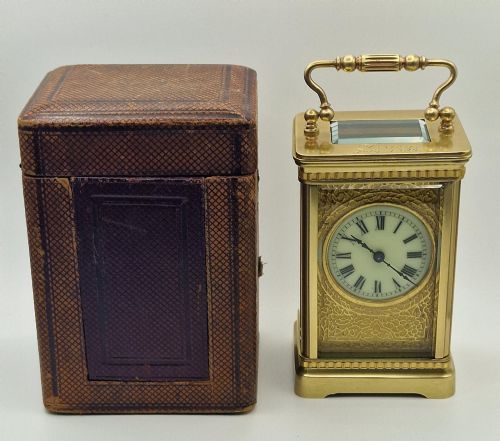
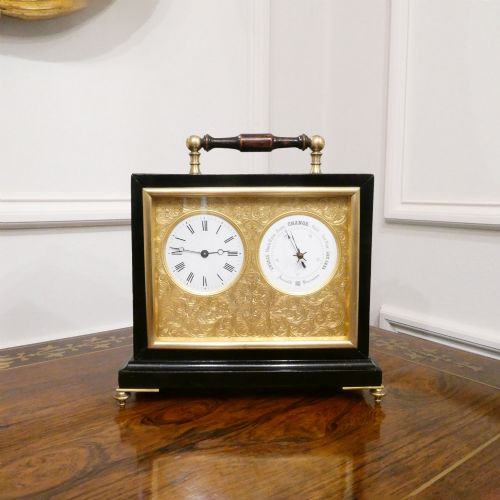
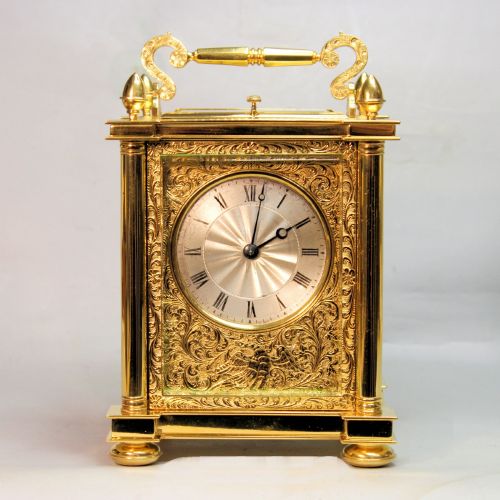
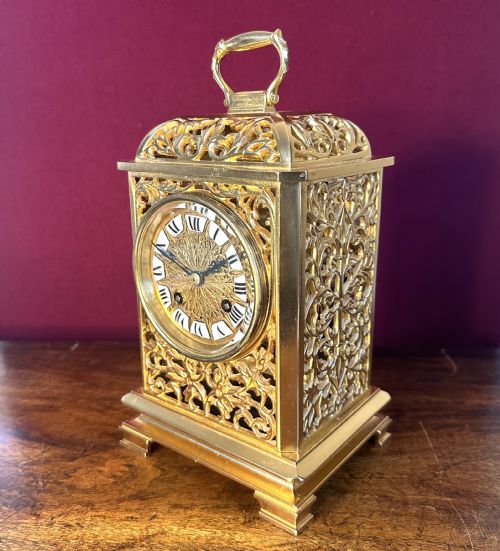
An engraved brass mantel clock sits upon a surface, combining heavy metal construction with detailed surface decoration and visible dial work.
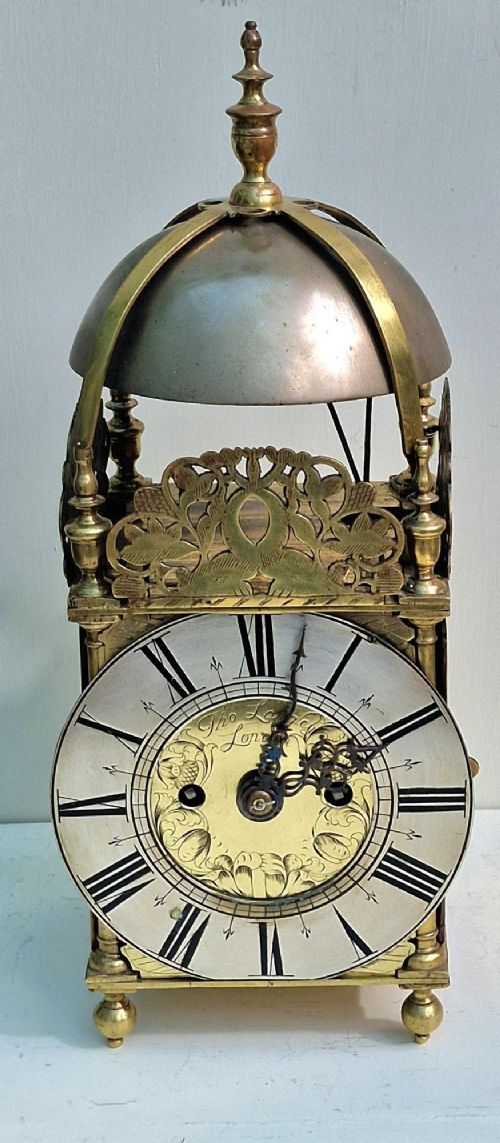
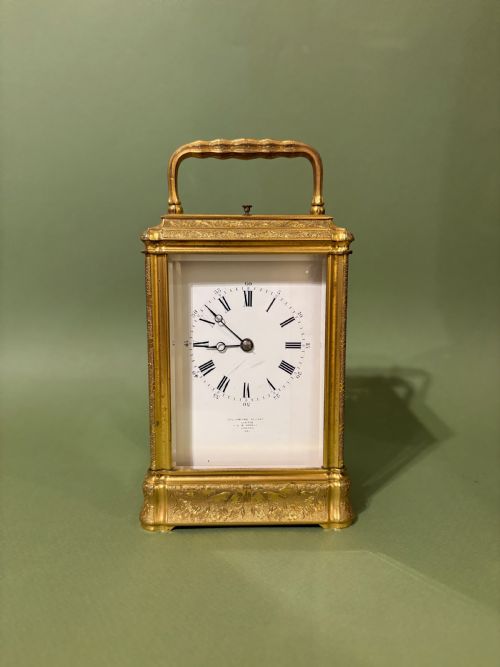
Buyers meet carriage clocks, lantern clocks, and bracket clocks most frequently, alongside table clocks encased in glass, mahogany, or gilt brass.
Origins span nineteenth-century Victorian workshops, French makers, and seventeenth-century English lantern clock traditions recorded in the evidence.
Materials and construction methods
Brass, gilt brass, and steel form the primary structural and mechanical framework, paired with glass panels and enamel dials.
Makers cut and polished wood such as mahogany and rosewood for bracket and library clock housings, supplementing the metal bodies.
Engraved Brass Mantel Clock Retail Price Guide 2026
Typical asking prices for engraved brass mantel clock among the pieces listed under this phrase on Sellingantiques today, from the lower quarter to the upper quarter. They describe what is for sale here now, not the wider market.
Listings feature brass, gilt brass, steel, and glass materials alongside mahogany and rosewood housings across nineteenth-century and seventeenth-century periods.
Standards of craftsmanship
Depth and clarity of the surface engraving distinguish standard production pieces from masterwork cases signed by prominent makers.
Complexity of the movement, such as fusee mechanisms and striking trains, separates basic timepieces from intricate complications.
HENRI JACOT·COUSENS & WHITESIDE·Thomas Langley·JOHN SPERSHOTT·Margaine Of France·Delépine-Barrois·Thomas Cole·Charles Frodsham·Drocourt·Paul Garnier·Bourdin·WILLIAM CLEMENT
The Engraved Brass Mantel Clock Glossary
- Carriage clock
- A portable spring-driven timepiece designed for travel, usually housed in a brass and glass case with a folding handle.
- Lantern clock
- An early brass chamber clock of wall-hanging or bracket form, driven by weights or springs and enclosed by pierced frets.
- Fusee
- A conical pulley used in mechanical clocks to maintain even tension on the gear train as the mainspring unwinds.
- Gilt brass
- Base metal treated with a thin layer of gold or gold-coloured wash to provide a bright, reflective finish.
Engraved Brass Mantel Clock: Frequently Asked Questions
How do I wind an antique brass clock safely?
Wind the clock using the correct key, turning gently until you feel resistance without forcing the spring beyond its limit.
Keep the key aligned straight to avoid wearing the winding square over years of regular use.
Where should I place a heavy brass clock?
Position the clock on a stable, level mantelpiece or firm table where vibration and heavy footfall will not disturb the pendulum.
Ensure the surface supports the combined weight of the brass case and internal movement without shifting.
How do I tell an English clock from a French one?
English examples often utilise fusee movements and dark wood or brass lantern structures, reflecting domestic traditions from London and regional workshops.
French pieces frequently feature platform escapements, gilt brass carriage cases, and enamel panels produced by Parisian makers.
What maintenance does an antique movement require?
Professional cleaning and oiling every few years prevents dried lubricants from wearing down the delicate brass gear wheels.
Dust the exterior glass and metal surfaces gently with a soft cloth while leaving the internal mechanism untouched.