


English Wooden Frame
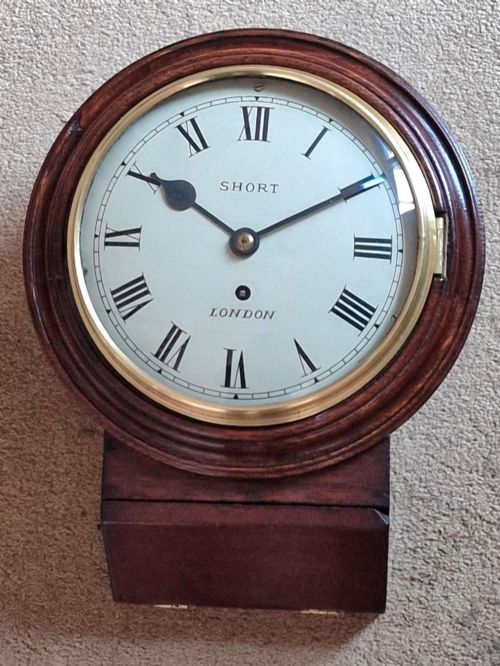
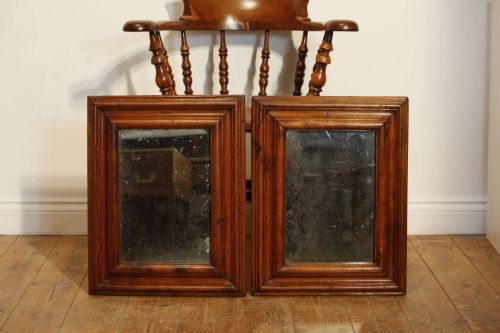
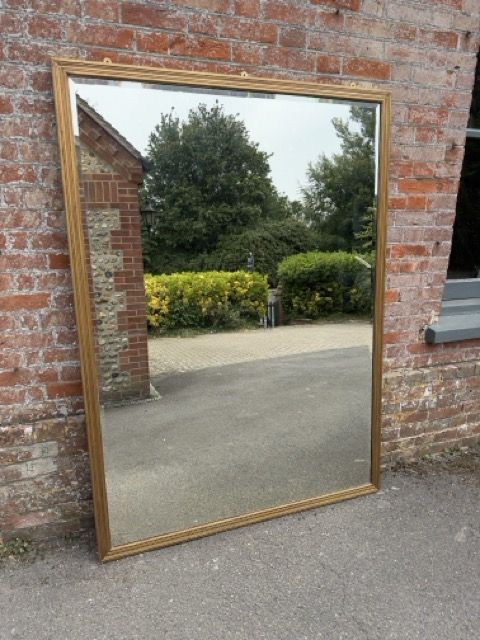
An English wooden frame supports much of what we collect, holding together everything from country maps to heavy overmantel mirrors.
English Wooden Frame
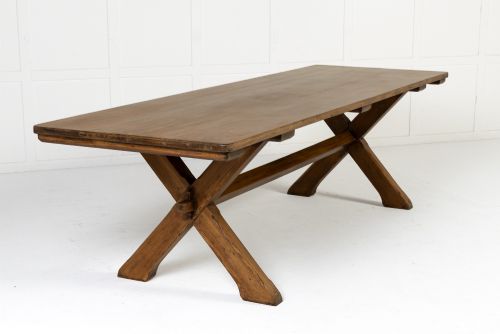
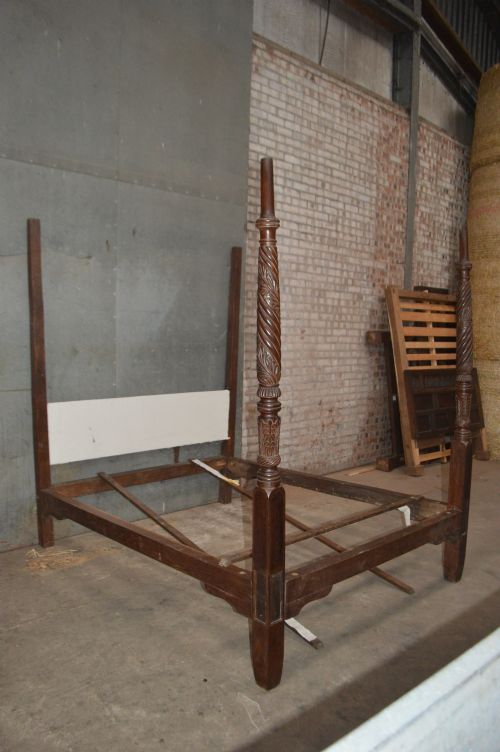
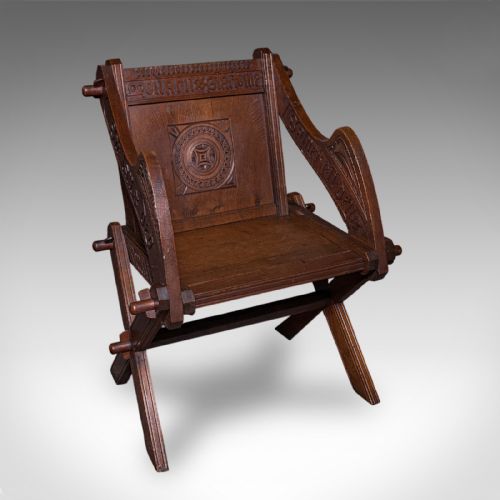
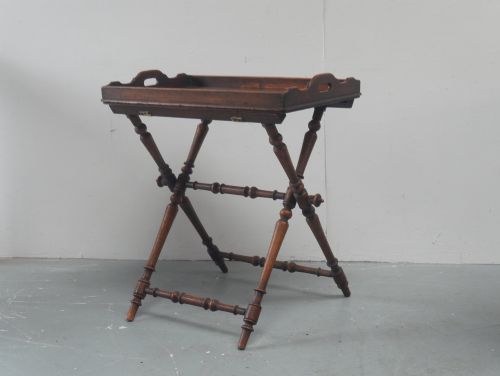
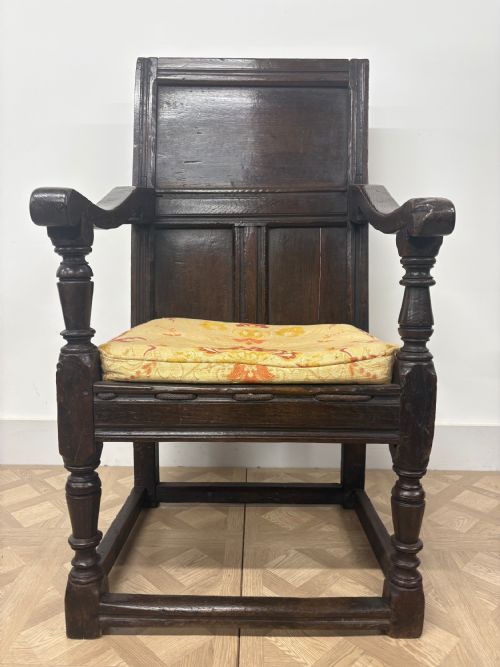
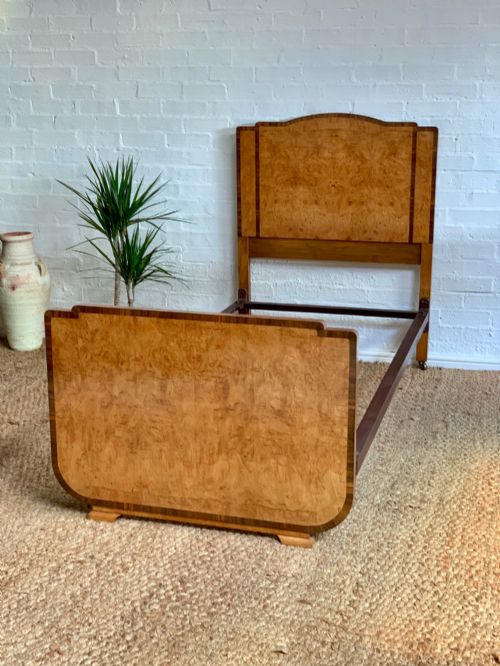
When searching for an english wooden frame, a buyer encounters a diverse group of objects spanning centuries, from heavy oak wainscot armchairs to delicate wall mirrors and four-poster bed structures. The pieces recorded here range across the 17th, 18th, 19th, and 20th centuries, reflecting shifts in domestic utility and decorative ambition.
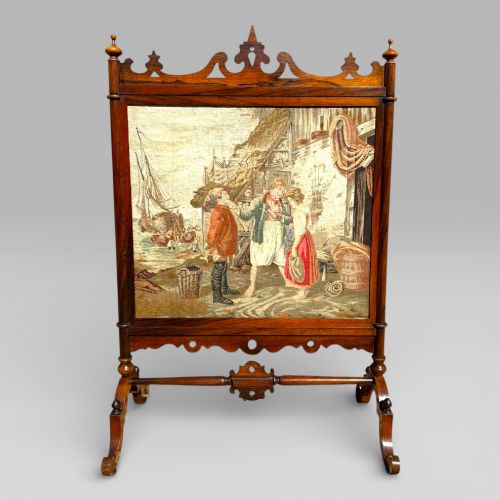
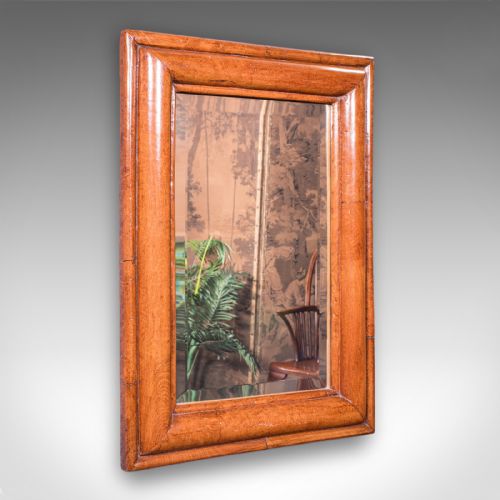
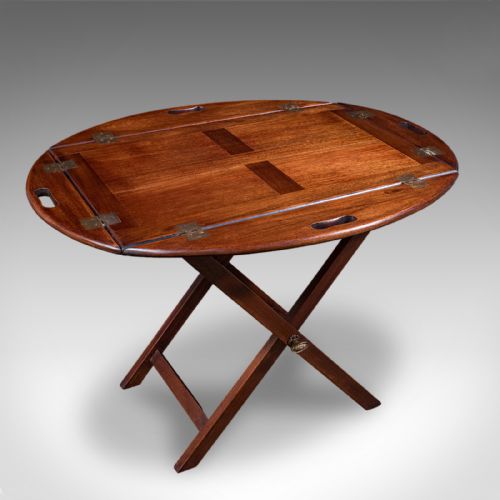
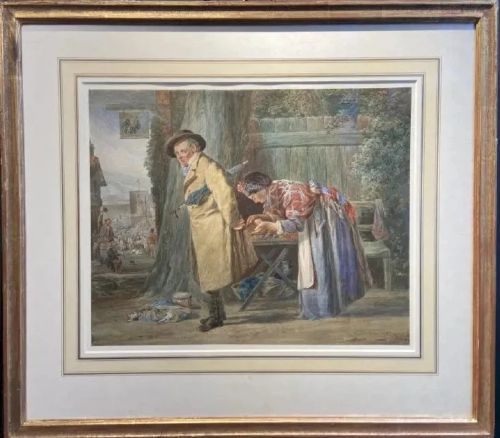
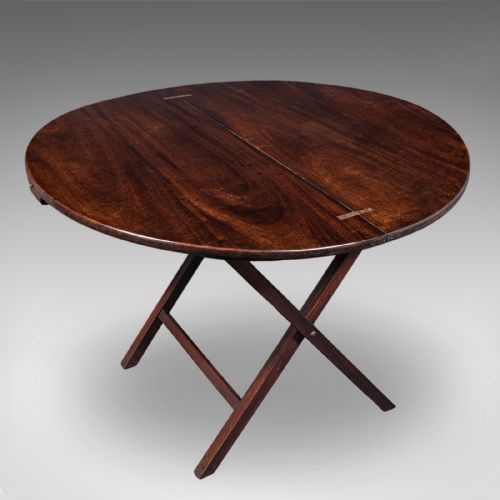
The most common formats meeting this description are mirrors, seating furniture, and structural surrounds for paintings or cartography. Overmantel mirrors and wall mirrors dominate the selections, alongside functional items such as tapestries, beds, and serving tables.
Origins stretch across English workshops and country houses, taking shape in styles from Gothic Revival and Jacobean to Edwardian and Art Deco. These items show how wood served as both the primary structural skeleton and the decorative boundary for domestic life.
Materials and construction
Makers relied predominantly on native and imported hardwoods like mahogany, oak, walnut, rosewood, ash, and pine, shaping them with hand tools to build sturdy armchairs, refectory tables, and mirror surrounds. Carved wood and gesso provided ornate relief work on gilt column frames and overmantel pieces.
Joinery techniques varied by period, utilising pegged mortise and tenon joints in 17th-century oak seating alongside later Victorian ebonised finishes and Edwardian turning. Glass, brass hardware, needlework panels, and canvas paintings were then fitted into these structural housings.
English Wooden Frame Retail Price Guide 2026
Typical asking prices for english wooden frame among the pieces listed under this phrase on Sellingantiques today, from the lower quarter to the upper quarter. They describe what is for sale here now, not the wider market.
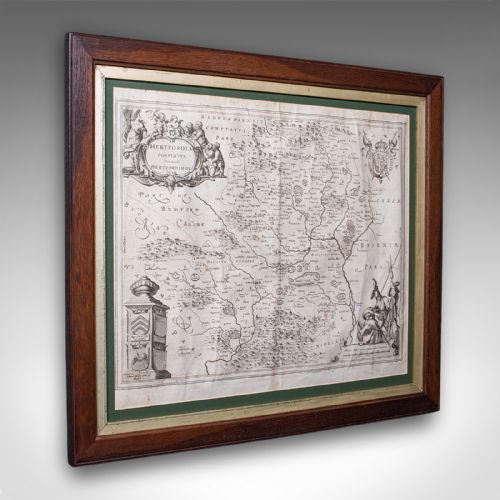
Even a map of Hertfordshire needs good joinery.
Judging the work
Distinction across these pieces rests in the sharpness of the timber carving, the integrity of the original joints, and the depth of the finish. Subtle hand-tool marks and thoughtful grain selection separate simpler vernacular items from ambitious cabinet work.
Preservation of original surfaces dictates the standing of a piece. Retaining untouched patination on walnut, mahogany, or oak elevates the object far beyond later refinishing efforts.
Waring and Gillow England·Robert Morden·Blaeu
The English Wooden Frame Glossary
- Gesso
- A plaster-based compound applied to wood frames before gilding or painting, providing a smooth base for intricate carved detail.
- Wainscot
- An early form of sturdy wooden armchair constructed with panelled backrests, typical of 17th-century craftsmanship.
- Overmantel mirror
- A large wall mirror specifically designed to hang above a fireplace mantel, frequently featuring elaborate wooden and gilt surrounds.
- Refectory table
- A long, narrow dining table traditionally used in communal halls, constructed here from heavy English pine or oak.
- Cartography
- The science or practice of drawing maps, represented in these listings by framed antique county maps.
English Wooden Frame: Frequently Asked Questions
How do I date an English wooden frame?
Dating relies on identifying the underlying timber species, construction joinery, and stylistic markers such as Gothic Revival carving or Edwardian turning. Examining the reverse of panels and mirrors often reveals period tool marks and fixings.
Changes in proportion and decorative motifs across the 17th, 18th, and 19th centuries provide clear chronological boundaries for each piece.
Were these frames always used for mirrors?
Wooden frames served multiple purposes across domestic spaces, housing oil paintings, topographical prints, Dutch cartography, and textile needlework alongside looking glasses. Many items functioned as structural supports for beds, chairs, and tapestries rather than wall hangings.
Mirrors represent only one category among many functional and decorative objects utilising wooden surrounds.
How should I care for antique wood?
Maintaining antique timber requires stable indoor humidity and protection from direct sunlight to prevent the wood from drying out or splitting. Gentle dusting with a dry, soft cloth preserves the historic patination without stripping the surface.
Avoid applying modern silicone polishes, which can permanently alter the historic finish of oak, mahogany, and walnut.
What distinguishes oak furniture from mahogany pieces?
Oak defines earlier periods, particularly the 17th century, featuring prominent open grain and heavy, robust construction suitable for wainscot chairs and refectory tables. Mahogany gained favour in later Georgian and Victorian eras, offering a denser, finer grain that allowed for sharper carving and richer polish.
Each timber reflects the prevailing cabinet-making techniques and aesthetic priorities of its specific era.