



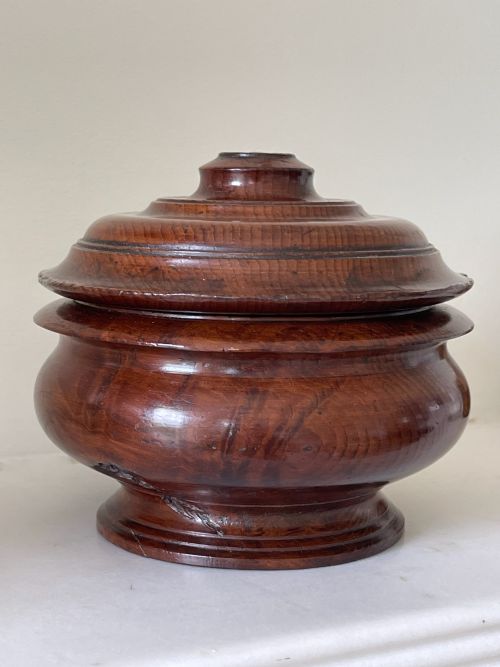
English Wooden Bowl
An English wooden bowl brings the tactile warmth of turned sycamore, yew, and laburnum directly into a modern room.
English Wooden Bowl
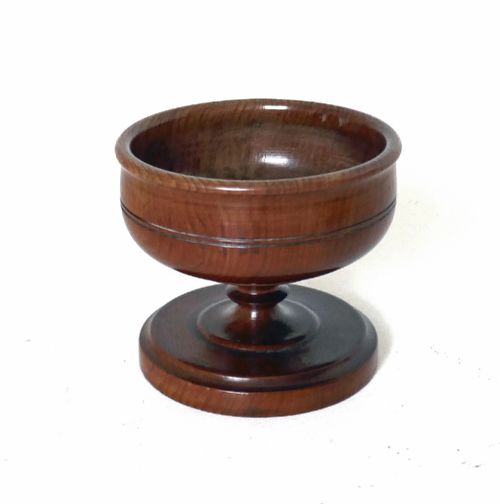
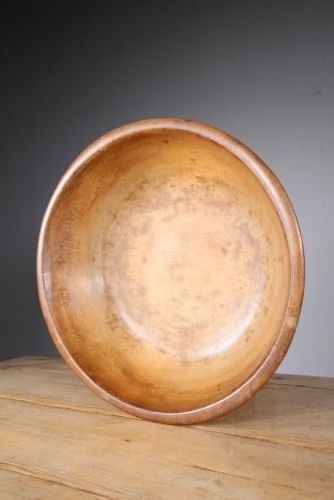
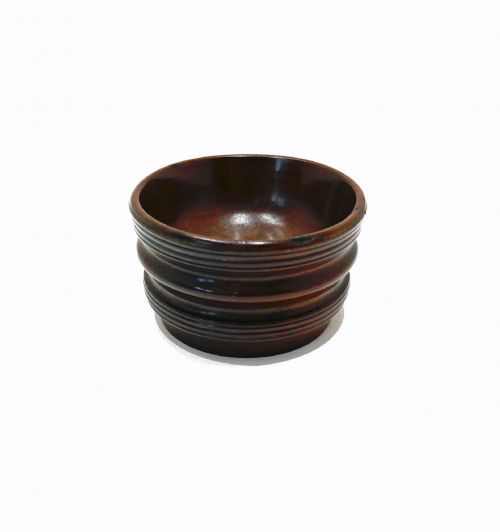
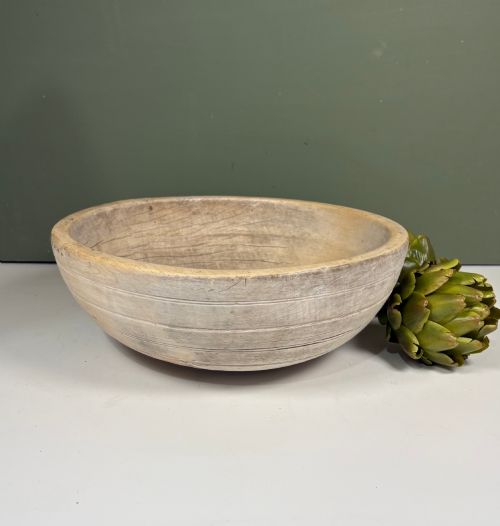
The most common forms on this page are large sycamore dairy bowls alongside smaller turned items in yew and laburnum. Georgian and Victorian examples dominate, showing the practical domestic origins of these turned objects.
Beyond standard bowls, the category encompasses ash platters and specialised items such as spice pots and presentation prize bowls. Each piece reflects the traditional woodworking methods of English makers.
Materials and construction
Makers utilised native English hardwoods including sycamore, yew, laburnum, and ash for their distinct grain patterns and durability. Sycamore remained the preferred choice for dairy bowls due to its clean surface and stability.
Turning on a lathe formed the primary method for shaping bowls and salts from green or seasoned timber. Artisans also produced platters and presentation pieces using hand-shaping and finishing techniques.
English Wooden Bowl Retail Price Guide 2026
Typical asking prices for english wooden bowl among the pieces listed under this phrase on Sellingantiques today, from the lower quarter to the upper quarter. They describe what is for sale here now, not the wider market.
Current listings feature sycamore, yew, laburnum, and oak across Georgian, Victorian, and Edwardian periods.
Factors of quality
Quality rests upon the crispness of the turning and the preservation of the original surface. Depth of tone and natural patina earned through decades of use distinguish superior examples from plain ones.
The integrity of the timber, including the absence of excessive shrinkage cracks or inappropriate repairs, dictates the desirability of a piece. Well-proportioned rims and balanced wall thickness mark the work of skilled turners.
The English Wooden Bowl Glossary
- Treen
- Small wooden domestic objects made before the widespread use of ceramics and plastics. These include items such as bowls, spoons, and salts.
- Dairy bowl
- A large, shallow wooden vessel utilised in traditional dairies for setting milk and skimming cream. Sycamore was standard for this purpose.
- Patina
- The surface sheen and warm depth developed on wood through handling, cleaning, and ageing over many decades.
- Salt cellar
- A small container for holding salt at the dining table, often turned from dense hardwoods like yew or laburnum on a raised base.
English Wooden Bowl: Frequently Asked Questions
What were wooden dairy bowls used for?
These large vessels held freshly milked cow's milk so the cream could rise to the top and be skimmed off easily.
Sycamore timber was chosen because it did not impart flavours to the dairy produce and resisted splitting when wet.
How can I tell an 18th-century bowl from a 19th-century one?
Earlier pieces often display tool marks from pole lathes and deeper hand-turned profiles that differ from later Victorian production methods.
Timber choice and the character of the surface wear also provide clues to the approximate age of the turning.
Can I use an old wooden bowl for food today?
Most antique bowls are best reserved for display or holding dry items like fruit rather than wet foods. Historic cleaning methods and dry timber make modern culinary use impractical for fragile pieces.