

English Wooden Armchair
An english wooden armchair brings warmth and solid construction to a room, turning practical seating into a tactile piece of history.
English Wooden Armchair
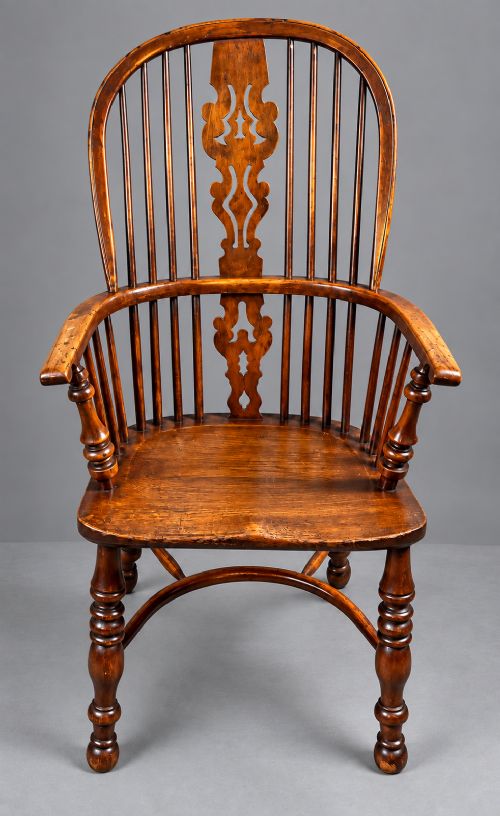
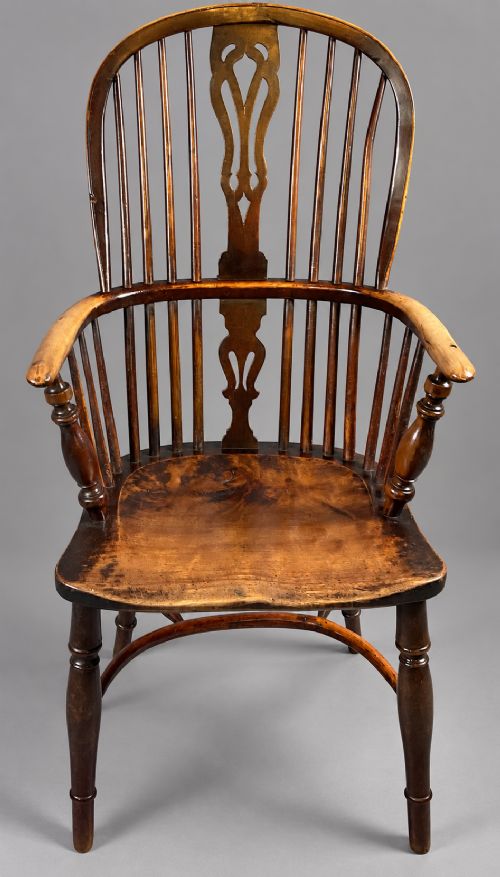
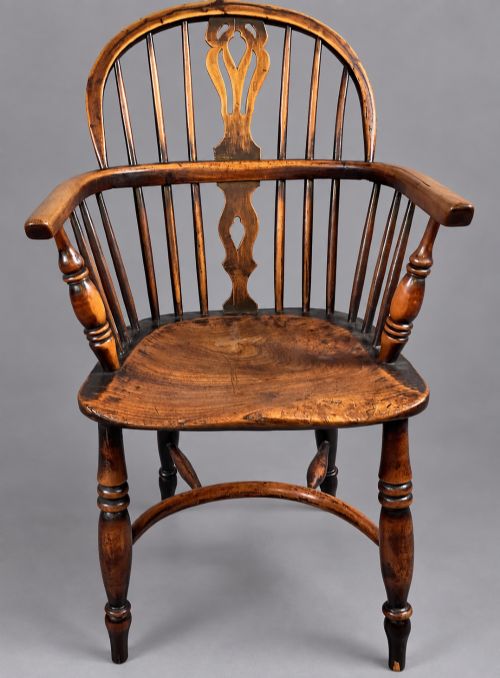
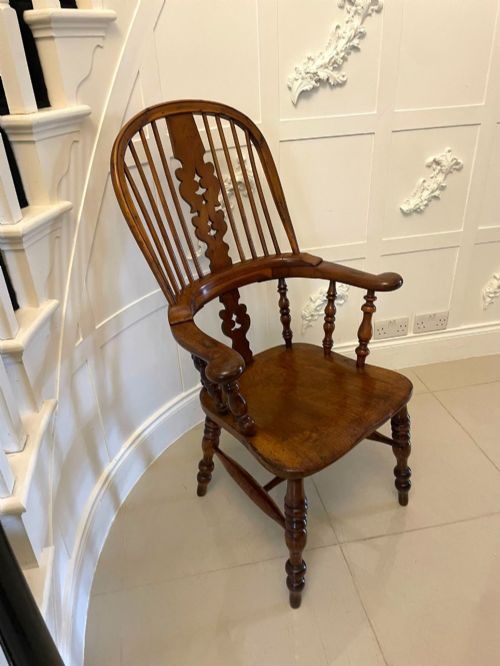
An english wooden armchair encompasses a rich variety of historic seating forms, ranging from sturdy 17th-century wainscot chairs to provincial country Windsors. Buyers seeking these pieces encounter robust timbers shaped for everyday domestic utility across multiple centuries.
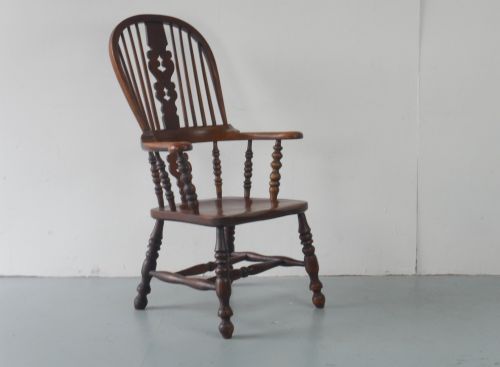
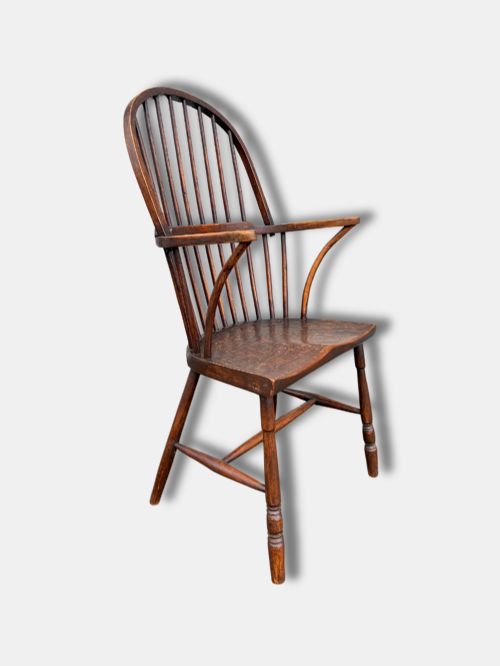
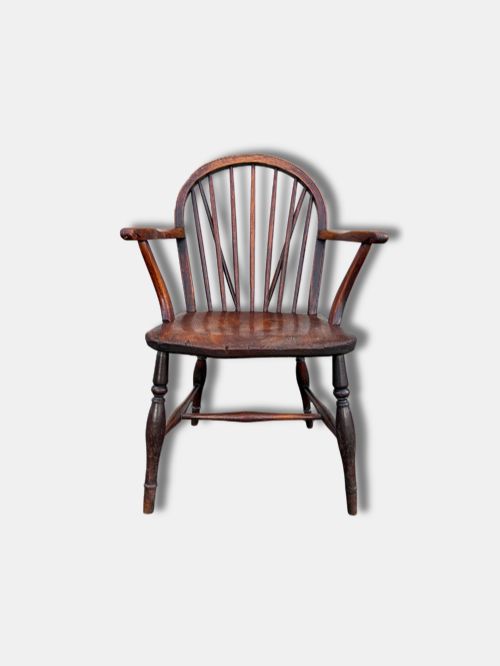
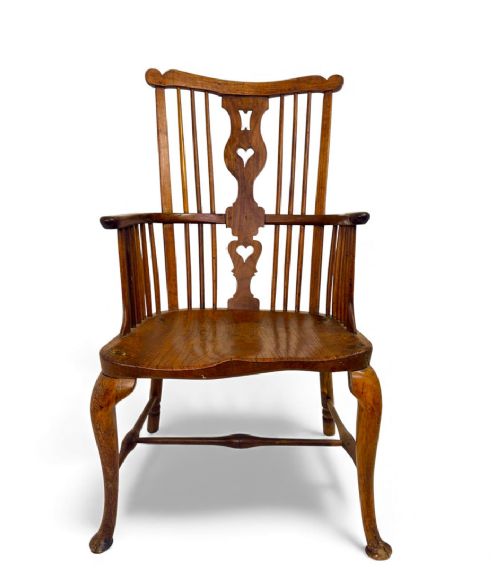
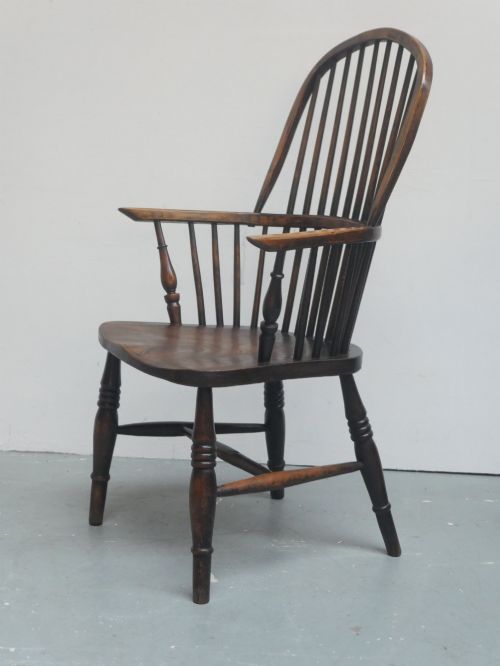
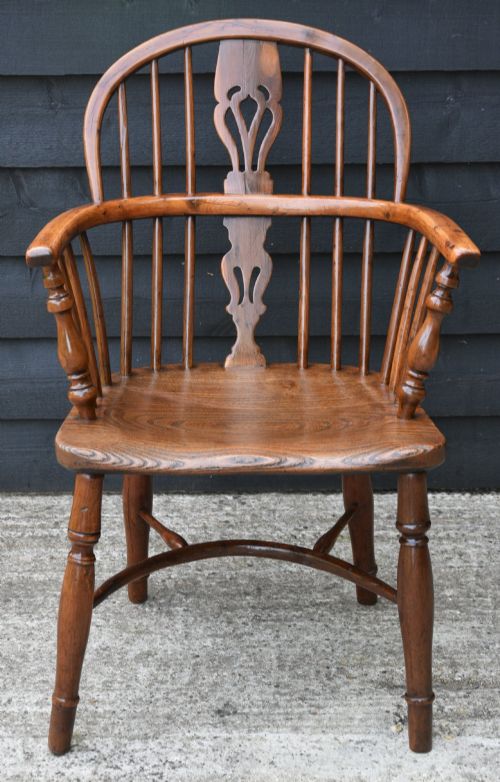
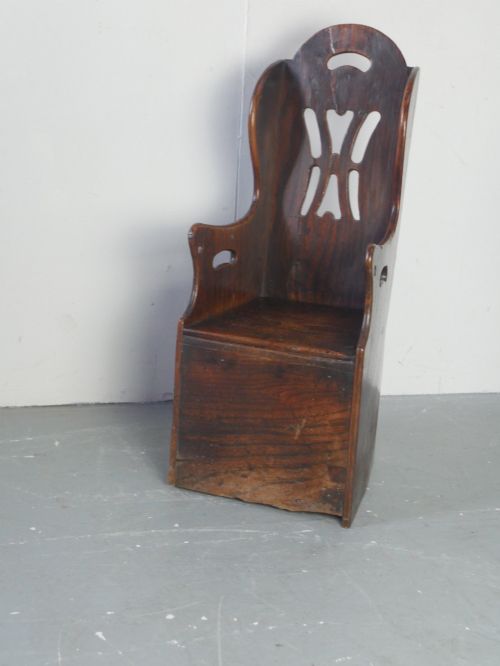
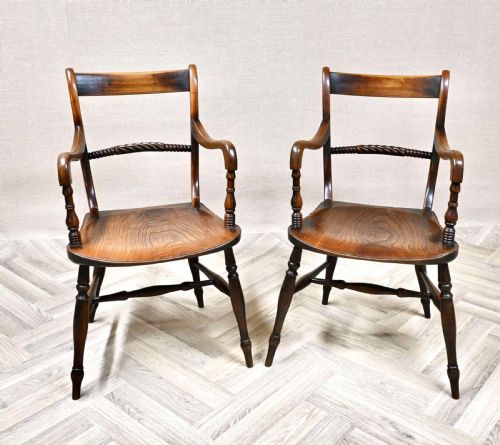
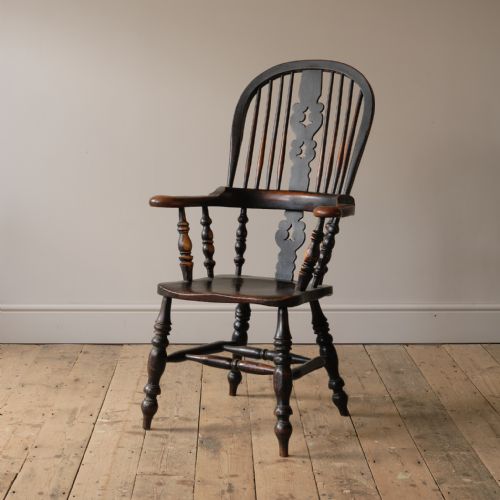
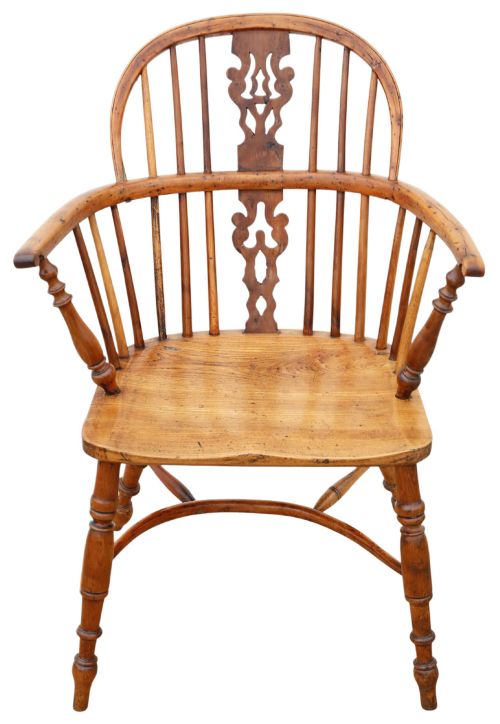
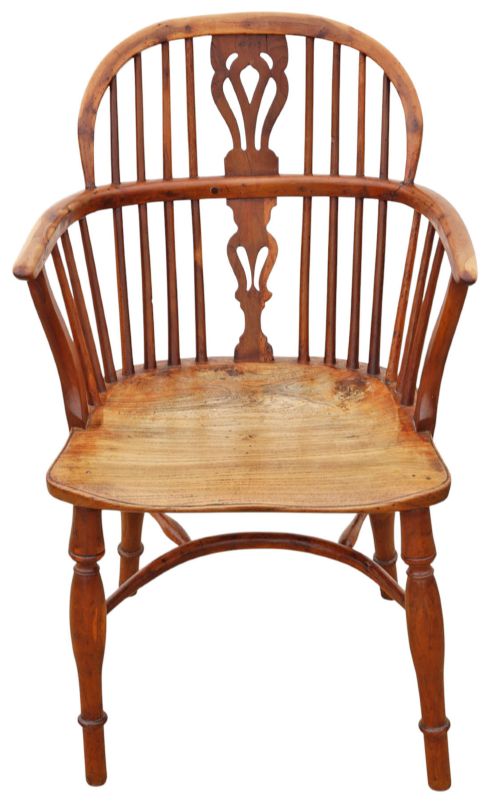
The most common examples on this page are Windsor armchairs, alongside vernacular farmhouse carvers and occasional smoking chairs. These designs originate from regional workshops and rural households, often combining different native woods in a single frame.
The selection spans periods from the 17th century through the Victorian era, showing shifts from heavy joined oak to lighter steam-bent ash and elm. Each form reflects the practical demands of its original setting, whether a farmhouse kitchen or a country house morning room.
What Varies in Quality
Quality rests in the harmony of the timber selection and the integrity of the original construction. Chairs built with richly figured yew wood or well-matched ash and elm combinations show superior material selection by the maker.
Proportion and comfort distinguish finer examples, where spindles are delicately turned and comb backs retain balanced sweeps. Retained surface patination and minimal structural alteration mark the difference between a preserved vernacular piece and a heavily repaired one.
Several armchairs retain ink inscriptions and well-worn arm rails, recording generations of hands resting in the exact same spot.
Gabbitass of Worksop·Philip Clissett·J Spencer·Maple and Co
The English Wooden Armchair Glossary
- Windsor
- A traditional wooden chair featuring a solid carved seat into which the legs and back spindles are directly fitted. This form developed numerous regional variations including low backs, high backs and wheelbacks.
- Wainscot
- An early heavy armchair constructed from joined oak panels with solid panelled backs and substantial arm supports. These pieces date predominantly to the seventeenth century.
- Smoker's Bow
- A low-backed Windsor variant with a continuous curved arm rail and turned spindles, popular in Victorian public houses and farmhouse kitchens. It provides a compact and sturdy seat.
- Splaterback
- A chair back featuring a central vertical wooden slat, often pierced or shaped for decorative effect. This element appears frequently in eighteenth-century and regional vernacular seating.
- Rush Seat
- A woven seating surface made from dried marsh grasses twisted into cords and intertwined across the chair frame. It offers a flexible and textured alternative to solid wood.
English Wooden Armchair: Frequently Asked Questions
What is a Windsor armchair?
A Windsor armchair is a traditional wooden seat built around a thick solid plank rather than a constructed frame. The legs and back sticks fit directly into bored holes in this central seat.
These chairs evolved into distinct regional styles during the 18th and 19th centuries, incorporating woods like yew, elm, and ash.
How do I identify a yew wood chair?
Yew wood displays a distinctive warm reddish-brown tone with prominent grain patterns and small knots. Makers reserved this timber for finer country chairs due to its density and decorative appeal.
Many high-back Windsor armchairs utilise yew for the upper bow and spindles while pairing it with an elm seat.
Where were farmhouse armchairs used?
Farmhouse armchairs served practical roles in kitchens, parlours, and vernacular homesteads. Their durable construction suited daily domestic life and demanding household tasks.
Over time, these functional seats acquired a rich patina from constant handling and proximity to hearth fires.
How do I care for antique wooden chairs?
Keep wooden armchairs away from direct heat sources and rapid humidity shifts to prevent the timber from splitting. Regular dusting with a soft cloth maintains the surface finish without moisture damage.
Applying a traditional beeswax polish occasionally helps nourish dry historic timber and preserves the natural surface sheen.