


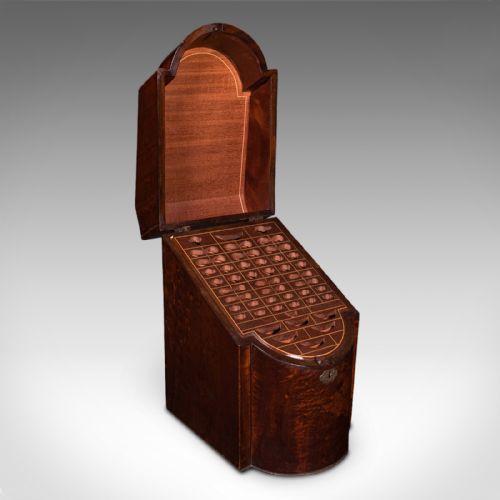


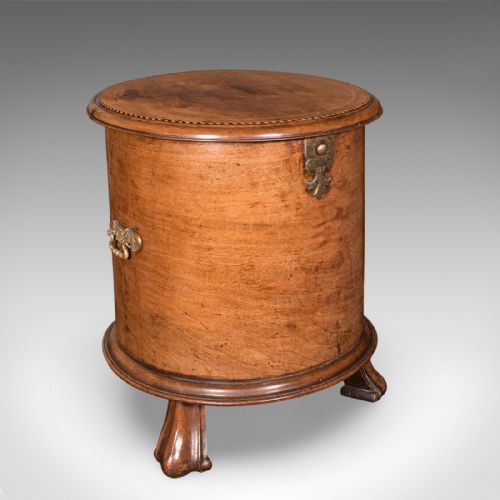


English Wood Inlay Box
An english wood inlay box carries centuries of domestic history in its patterned surfaces, offering practical storage disguised as miniature art.
English Wood Inlay Box
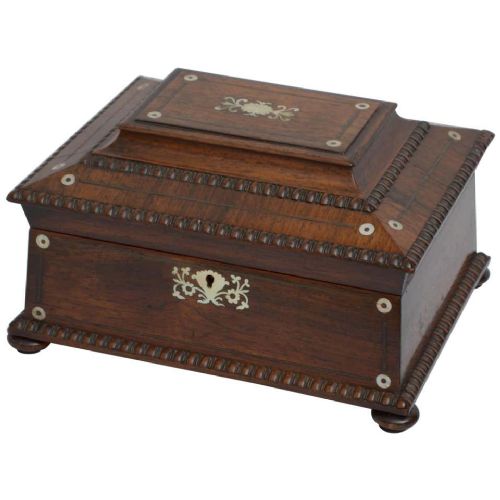
An english wood inlay box encompasses a wide variety of functional containers spanning the Georgian, Regency, and Victorian periods.
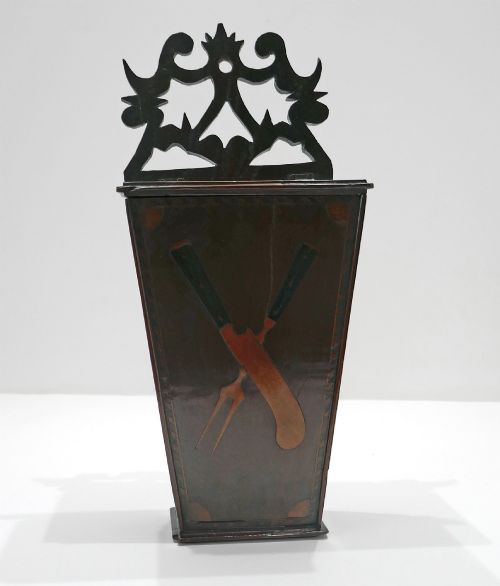
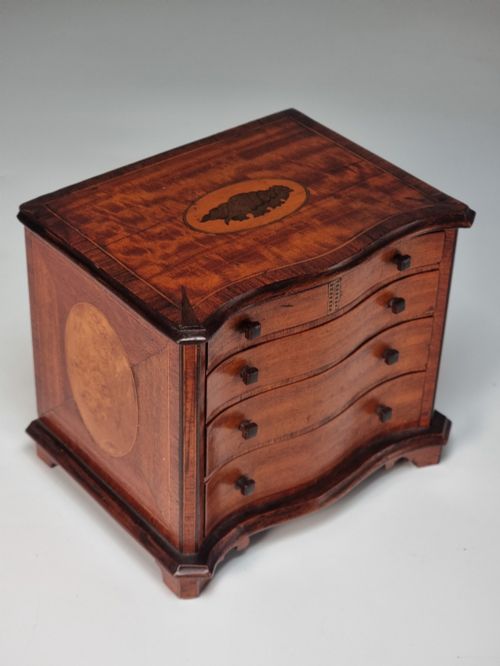
Buyers will also encounter specialised pieces like glove boxes, cutlery storage, and miniature furniture, each displaying characteristic period joinery.
How they were made
Cabinet makers utilised dense foundation timbers such as rosewood, walnut, and mahogany to build sturdy carcasses.
Surfaces were ornamented using contrasting woods like boxwood, holly, and sycamore, often combined with inlaid brass or marquetry patterns.
English Wood Inlay Box Retail Price Guide 2026
Typical asking prices for english wood inlay box among the pieces listed under this phrase on Sellingantiques today, from the lower quarter to the upper quarter. They describe what is for sale here now, not the wider market.
What varies in quality
The precision of the wood inlay work distinguishes standard utility pieces from exceptional examples of period craftsmanship.
Subtlety in grain selection and the complexity of geometric or pictorial mosaics dictate the overall calibre of the box.
A. F. Lloyd·Edmund Nye·Henry Hollamby·Waring & Gillow
The English Wood Inlay Box Glossary
- Tunbridge Ware
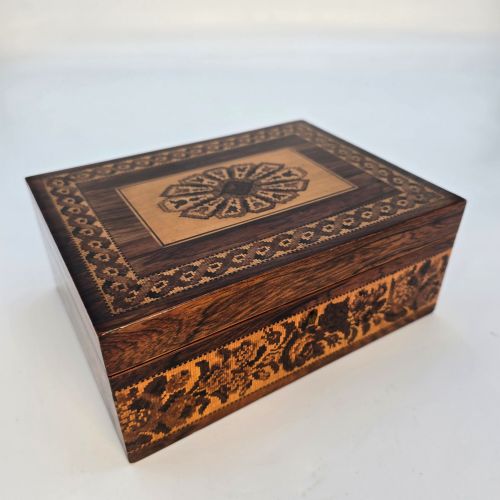
- A distinct form of British woodwork characterised by mosaic tile patterns built from thousands of tiny wood blocks to form pictorial scenes.
- Tea Caddy
- A lidded container originally designed to store expensive loose tea leaves safely under lock and key.
- Marquetry
- The art of applying thin decorative veneers of various woods onto a structural carcass to create elaborate patterns.
English Wood Inlay Box: Frequently Asked Questions
What were tea caddies used for?
Tea caddies served as secure storage containers for precious tea leaves during periods when tea was an expensive commodity.
Many examples feature internal lidded compartments and integrated locks to protect the contents from household staff.
How do I identify Tunbridge Ware?
Tunbridge Ware is recognised by its characteristic mosaic decoration, constructed from countless tiny sections of natural wood to form precise geometric or pictorial motifs.
These pieces often depict local castles, butterflies, or floral arrangements on rosewood or sycamore foundations.
What is the difference between a tea caddy and a trinket box?
Tea caddies were built specifically for leaf storage, frequently including mixing bowls or internal lidded canisters.
Trinket boxes and keepsake cases generally feature open interiors designed for jewellery, gloves, or correspondence.
How should I care for antique inlaid wood?
Protect antique wood boxes from direct sunlight and dramatic fluctuations in relative humidity to prevent veneer lifting.
Apply a light application of appropriate wax polish occasionally to nourish the historic timber surfaces.