




English Walnut Pendulum Clock
An english walnut pendulum clock brings architectural timber and precise horology together, offering both steady domestic rhythm and rich period character.
English Walnut Pendulum Clock
When you search for an english walnut pendulum clock, you encounter tall longcase clocks, hooded wall clocks, and table bracket clocks built across several centuries. These timepieces range from elaborate late seventeenth-century London productions to later provincial variations and twentieth-century interpretations.
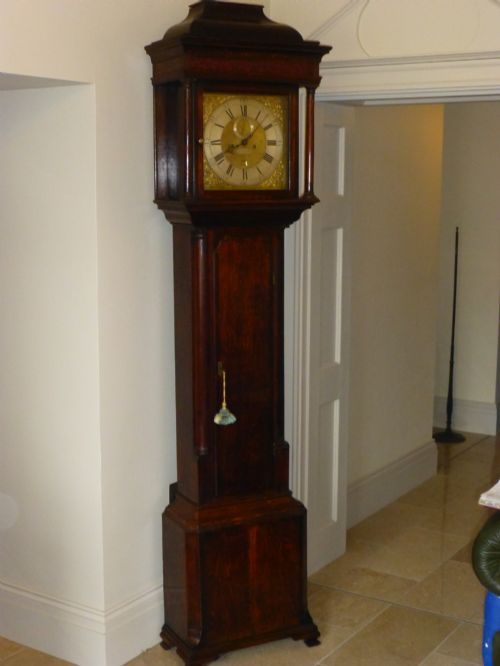
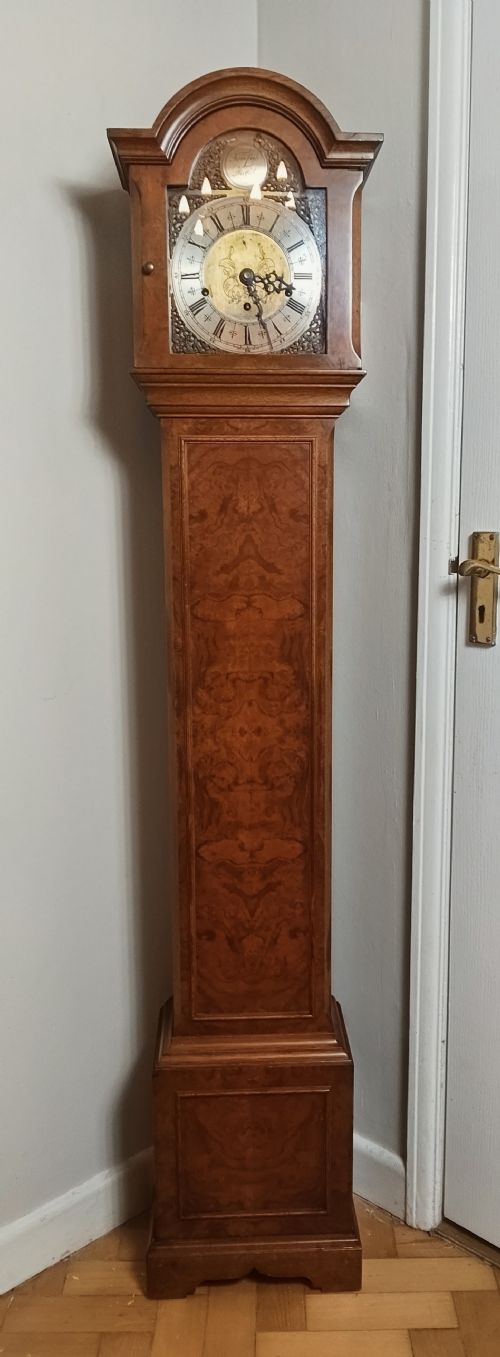
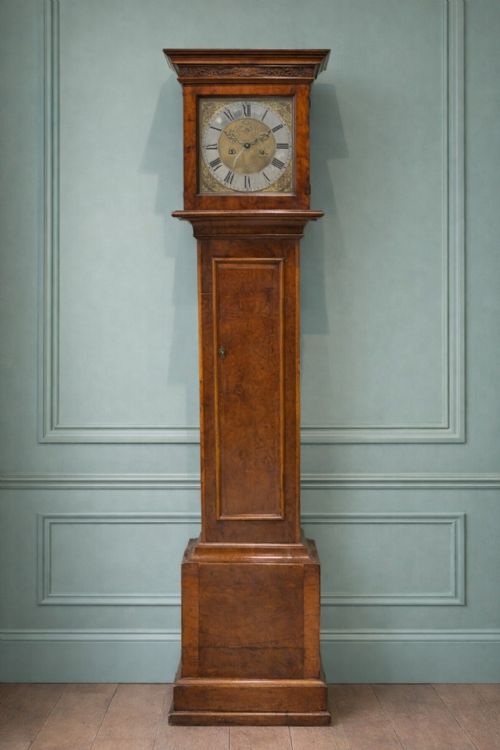
The version you are most likely to meet on this page is the longcase clock, frequently configured with an eight-day movement and a brass dial. These tall examples showcase rich timber surfaces, rising from modest country workshops and celebrated metropolitan makers alike.
Alongside the tall floor-standing examples, the selection includes compact wall clocks and bell-top bracket clocks driven by fusee movements. Each form utilises pendulum regulation to track time, housed within timber cases spanning the William and Mary, Queen Anne, Georgian, and Victorian eras.
Distinctions in craftsmanship and preservation
The division between standard examples and superior pieces rests on the depth of the veneer figure and the crispness of the brass dial engraving. Master makers employed highly figured burr walnut and delicate marquetry or seaweed inlay that elevated the visual presence of the timber case.
Movement fidelity and original component survival separate high-tier horology from heavily restored pieces. Clocks retaining their early dial signatures, original brass work, and untouched movement train demonstrate the highest standard of period workshop production.
English Walnut Pendulum Clock Retail Price Guide 2026
Typical asking prices for english walnut pendulum clock among the pieces listed under this phrase on Sellingantiques today, from the lower quarter to the upper quarter. They describe what is for sale here now, not the wider market.
The listings span longcases, wall clocks, and bracket clocks across the seventeenth, eighteenth, nineteenth, and twentieth centuries, utilising oak, walnut, burr elm, and brass.
Richard Corless of Stockport·Edin Burgis of London·Henry Deykin Worcester·Edward Upjohn Exon·Edward East·Joseph Knibb·Payne of Tunbridge Wells·Joseph Saer of London·Jonathan Marsh London·John Taylor of London·James Drury of London
The English Walnut Pendulum Clock Glossary
- Longcase clock
- A tall pendulum clock enclosed in a wooden case standing directly on the floor, commonly called a grandfather clock. These housing structures protect the weighted movement and swinging pendulum.
- Bracket clock
- A portable spring-driven clock originally designed to sit on a wall bracket or table. They frequently feature carrying handles and glazed side panels.
- Fusee
- A conical pulley used with a cord or chain to maintain even driving power as the mainspring unwinds. This mechanism ensures consistent force is delivered to the pendulum escapement.
- Dial
- The face of the clock where hours and minutes are displayed, constructed from brass or painted metal. Master horologers signed these plates with their name and town of origin.
- Escapement
- The mechanical linkage that controls the release of gear train power to keep the pendulum swinging. Common period variants include anchor and tic tac mechanisms.
English Walnut Pendulum Clock: Frequently Asked Questions
How do I wind an eight-day longcase clock?
Winding requires using a small crank key to pull up the hanging weights inside the trunk, turning each arbour clockwise until the weights reach their upper limit.
Care must be taken not to overwind the movement, stopping as soon as resistance increases firmly at the top of the drop.
Where should I place a walnut pendulum clock?
Position the clock against an interior wall away from direct sunlight, heating vents, and damp exterior stone surfaces. Walnut veneer reacts poorly to extreme humidity fluctuations and thermal shock.
Ensure the floor is entirely level so the pendulum swings symmetrically and the beat remains even.
How can I distinguish seventeenth-century styles from Georgian periods?
Seventeenth-century examples often display rich burr walnut or seaweed marquetry with restrained architectural hood mouldings and square dial proportions. Later Georgian pieces frequently incorporate arched brass dials and red walnut veneers.
Cabinet proportions also evolved, moving from narrower trunk doors to broader, more robust case silhouettes.
What is the function of a bell top on a bracket clock?
The bell top houses a cast metal bell struck by an internal hammer to signal the passing hours. This domed or inverted bell shape defines the upper silhouette of eighteenth-century table clocks.
It allowed the sound to resonate clearly across the room while providing a decorative termination to the timber case.