



English Walnut Occasional Table
An English walnut occasional table serves as a versatile accent piece, bringing rich wood grain and compact utility to any room.
English Walnut Occasional Table
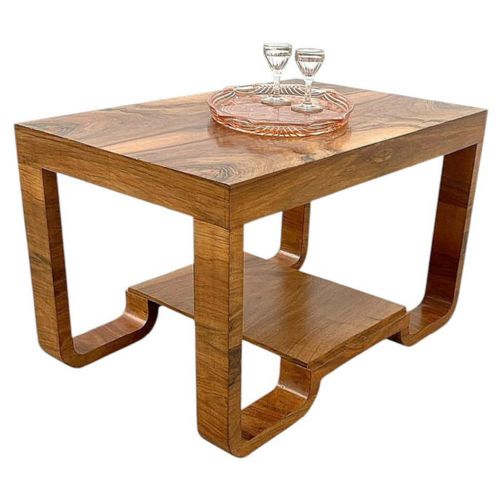
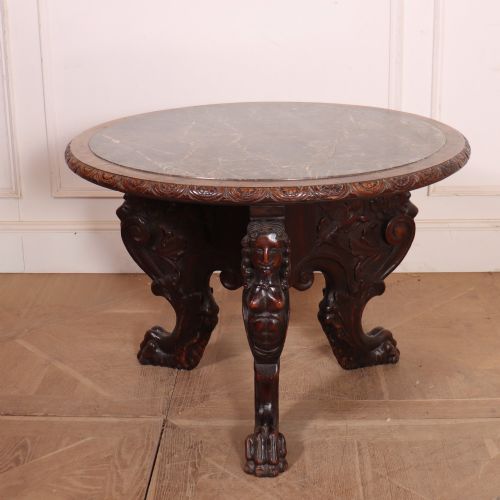
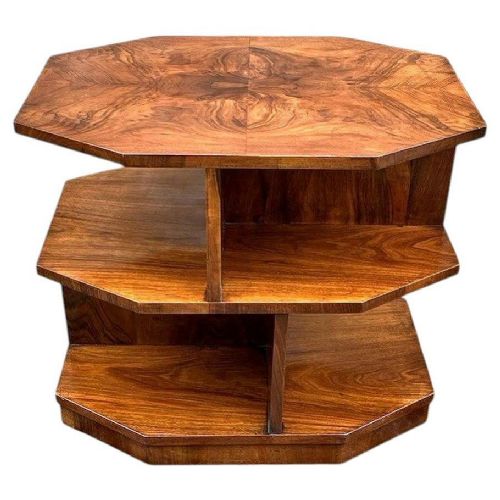
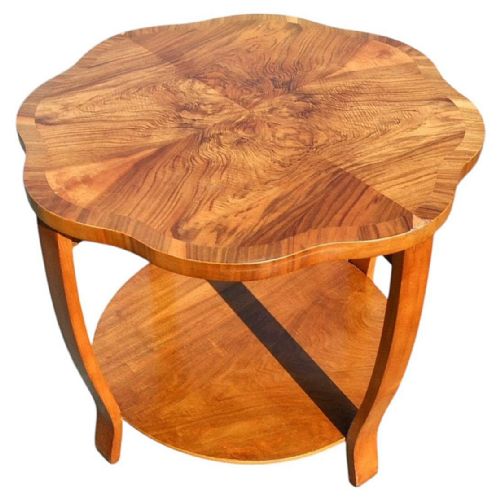
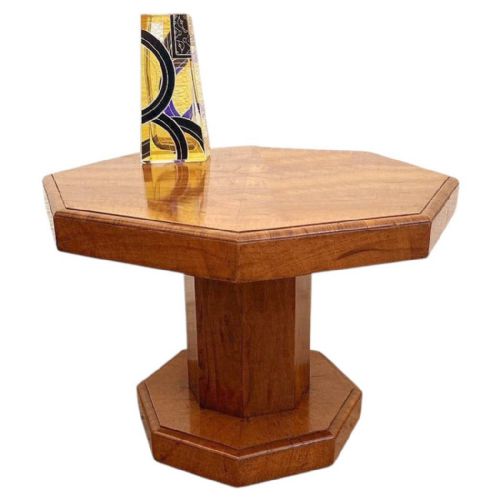
An english walnut occasional table encompasses a wide variety of small scale stands, from Victorian wine tables to Art Deco coffee tiers.
The selections span centuries of design, reflecting shifts from Georgian proportion and Victorian intricacy to modernist 1930s lines.
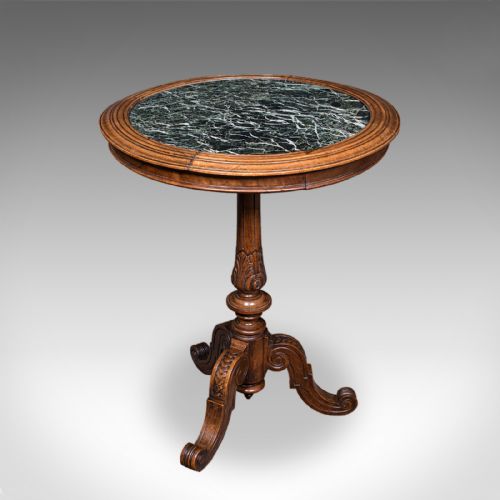
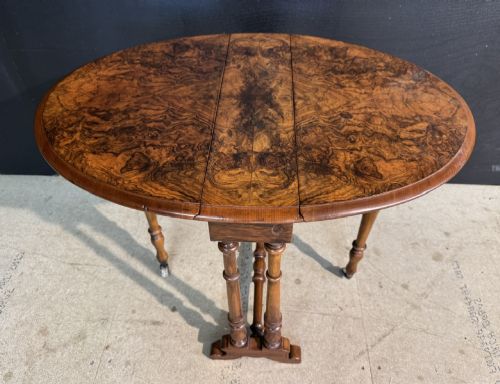
Buyers frequently encounter compact tripod wine tables, drop leaf Sutherland designs, and low coffee forms finished in rich walnut veneers.
How they were made
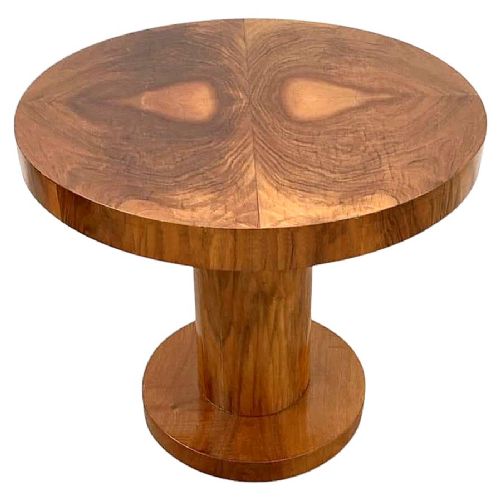
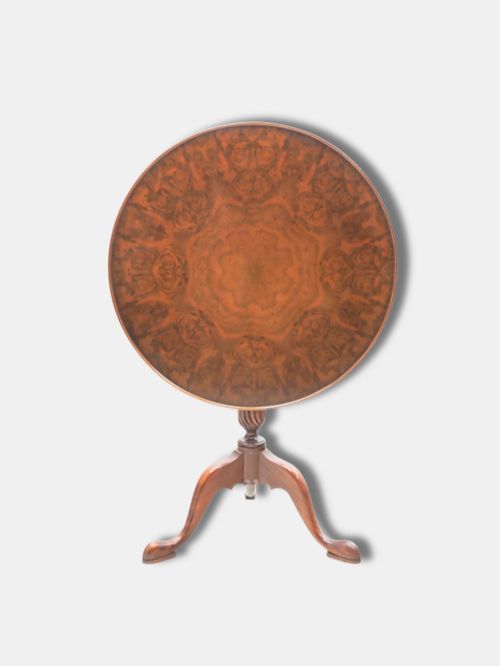
Cabinet makers utilised solid timber alongside decorative veneers like burr and figured walnut to create striking top surfaces.
Inlay, marquetry, and contrasting secondary woods such as mahogany or beech frequently augmented the primary walnut construction.
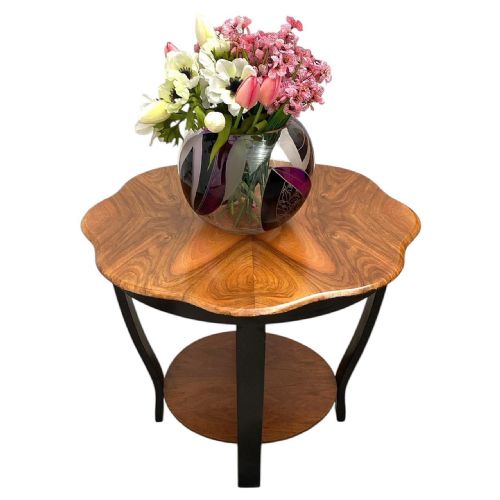
Later modernist examples integrated materials like chrome, glass, and mirror tops alongside traditional wood joinery.
English Walnut Occasional Table Retail Price Guide 2026
Typical asking prices for english walnut occasional table among the pieces listed under this phrase on Sellingantiques today, from the lower quarter to the upper quarter. They describe what is for sale here now, not the wider market.
Listings feature pieces spanning from the 18th century through to 1940, incorporating Edwardian, Victorian, and Art Deco eras.
What varies in quality
The selection of the walnut veneer dictates the visual depth of the surface, with tightly patterned burr figures marking higher ambition.
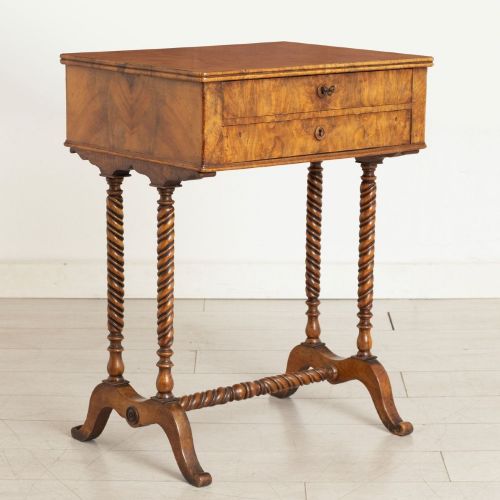
Joinery methods reveal the diligence of the workshop, from hand cut dovetails on drawers to stable pedestal base constructions.
The integration of secondary elements, such as fine brass fittings or precise marquetry inlays, elevates the refinement of the piece.
Hille·Waring and Gillow·James Shoolbred
The English Walnut Occasional Table Glossary
- Burr walnut
- A prized veneer taken from the growth excrescences of the walnut tree, showing swirling, highly decorative grain patterns. It requires skilled cutting to prevent splitting across the complex fibres.
- Sutherland table
- A narrow drop leaf table featuring swing legs that support the folding flaps when raised. Victorian examples often utilise slender gate leg frames for compact storage.
- Lowboy
- A small Georgian style table featuring one or more drawers beneath the frieze, originally used for grooming or writing. These early forms rest on graceful cabriole or straight legs.
- Tilt top
- A mechanism allowing the table surface to pivot upright on the pedestal when not in use. This clever space saving design gained popularity during the Georgian and Victorian periods.
- Pie crust
- A raised, carved edge moulded into a circular tabletop to resemble pastry work. Cabinet makers shaped these borders meticulously from solid timber rims.
- Marquetry
- The art of applying small pieces of veneer to form decorative pictures or geometric patterns. Artisans combined various tinted woods to achieve tonal contrast.
English Walnut Occasional Table: Frequently Asked Questions
What is a Sutherland table?
A Sutherland table is a narrow drop leaf design featuring folding flaps supported by pivoting gate legs.
This clever construction allows the piece to fold flat for storage against a wall when not in use.
How do I identify burr walnut?
Burr walnut displays dense, swirling grain patterns filled with small knots and intricate figures.
This decorative veneer comes from gnarled growths on the tree rather than straight timber boards.
What is a lowboy used for?
A lowboy functions as a compact side table equipped with one or more drawers beneath the surface.
Historically utilised for storage in bedrooms or hallways, it adapts easily to modern living spaces.
How do tilt top tables work?
Tilt top tables feature a clever hinge mechanism allowing the circular surface to pivot into a vertical position.
This traditional feature enabled owners to tuck the furniture neatly against room perimeters to save floor space.