


English Walnut Mirror
When you search for an english walnut mirror, you are looking at centuries of timber framing, from early oyster veneers to art deco geometry.
English Walnut Mirror
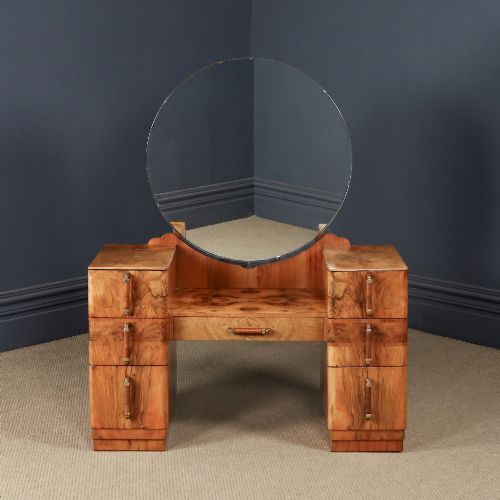
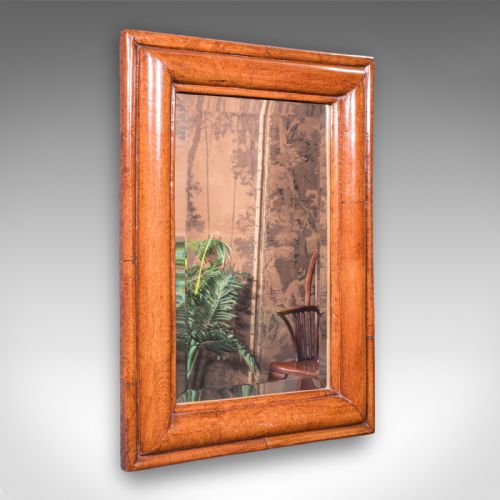
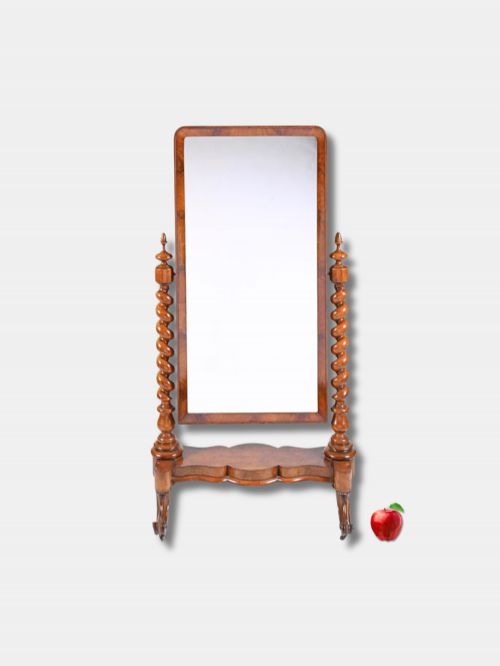
An english walnut mirror covers a wide span of forms, appearing as small wall-hanging dressing pieces, overmantels, and large floor-standing cheval frames. The selections range from early seventeenth-century examples through to later Victorian and art deco interpretations.
Buyers frequently encounter wall mirrors alongside cheval formats designed for bedrooms and hallways. Pieces also emerge combined with dressing tables, vanity units, and bureau bookcases.
How they were made
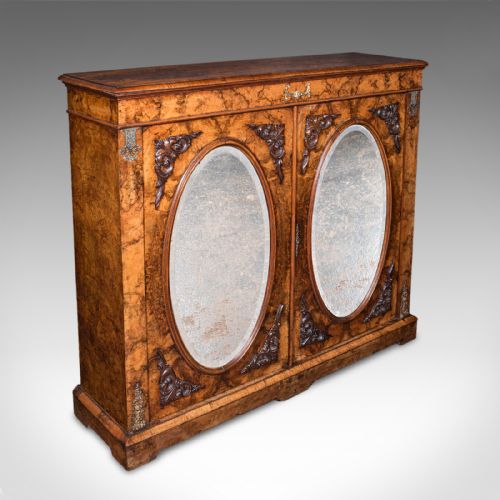
Construction relies heavily on walnut timber, often utilising burr walnut veneers to create striking grain patterns across the surface. Cabinetmakers incorporated glass mirror plates, sometimes complemented by brass fittings, marquetry inlay, and parcel-gilt details.
Earlier pieces frequently employ intricate oyster veneer techniques, whilst later nineteenth and twentieth-century examples lean towards shaped frames and pedestal supports.
Listings feature walnut, burr walnut, and mirror glass across periods spanning the seventeenth century to art deco.
What varies in quality
The standard of an english walnut mirror depends largely on the selection of timber veneers and the intricacy of the underlying cabinet work. Richness of grain figure and the preservation of original mirror glass separate standard utilitarian items from finer examples.
Proportion and execution of decorative elements, such as marquetry or parcel-gilt accents, dictate the standing of a piece within its period.
Epstein
The English Walnut Mirror Glossary
- Oyster veneer
- Cutting small branches obliquely to produce circular or oval motifs resembling oyster shells. This technique defines many pieces from the seventeenth century.
- Cheval mirror
- A full-length glass plate suspended in a freestanding frame that tilts on pivots. These tall designs are typically found in bedrooms and dressing rooms.
- Burr walnut
- Timber taken from a tree growth that yields highly figured, swirling grain patterns. It was prized by cabinetmakers for decorative surface veneers.
- Parcel-gilt
- Partially gilded woodwork where gold leaf highlights specific carved or moulded details. It often contrasts with the dark tone of walnut timber.
- Overmantel mirror
- A large glass frame designed to sit directly above a fireplace mantel. These pieces frequently span significant widths to anchor a room.
English Walnut Mirror: Frequently Asked Questions
How do I date an english walnut mirror?
Dating relies on identifying construction methods, edge profiles, and the type of mirror glass used. Early examples show distinct timber framing techniques that differ markedly from Victorian or art deco production.
Examining the reverse of the frame and the fixings often provides further clues to the period of manufacture.
Where were these mirrors placed historically?
Smaller hanging versions were typically mounted in reception halls, morning rooms, and boudoirs for final adjustments to attire. Larger cheval and overmantel formats anchored bedroom suites and principal living spaces.
Their placement depended entirely on the availability of natural light within the room.
Are mirror plates usually original?
Many older pieces retain their original glass, which often exhibits characteristic minor oxidation and soft foxing. Replacement glass does occur on pieces that saw heavy domestic use over the centuries.
Inspecting the silvering behind the glass helps determine whether the plate dates to the same era as the timber frame.
How should I care for walnut frames?
Walnut timber benefits from minimal intervention, requiring only occasional dusting with a dry, soft cloth. Avoiding direct sunlight and maintaining stable room humidity protects both the wood and any delicate veneer work.
Excessive moisture or modern chemical polishes can damage the historic surface finish over time.