
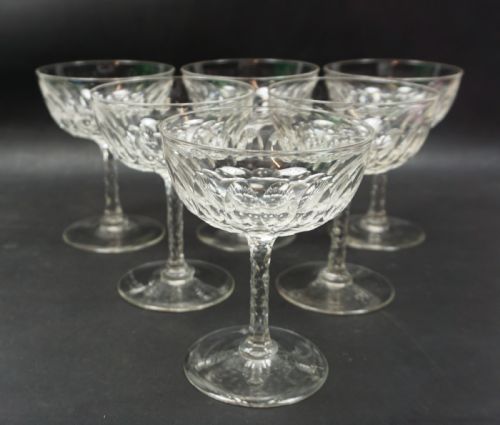


English Victorian Glassware
English Victorian glassware brings rich colours and heavy lead crystal forms to the table, offering tangible craftsmanship from the nineteenth century.
English Victorian Glassware
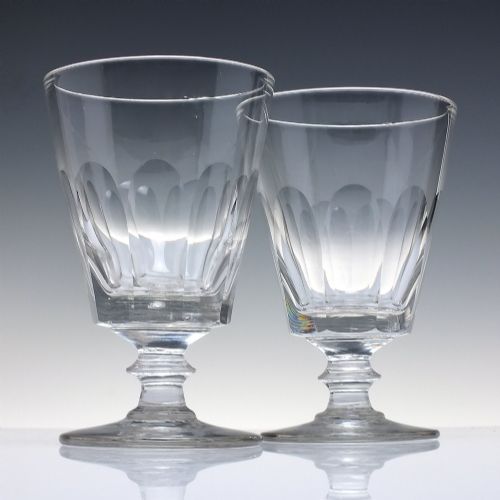
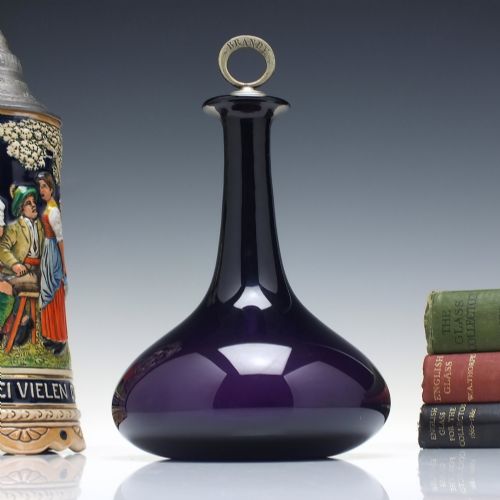
When you search for English Victorian glassware, you encounter a diverse array of tablewares and decorative objects spanning the decades from eighteen fifty to nineteen hundred. These pieces encompass everything from functional decanters and wine glasses to ornamental vases and ice plates.
The objects on this page reflect the distinct periods and styles of the nineteenth century, including the Arts and Crafts movement alongside standard Victorian production. Table service items such as rummers, champagne coupes, and carafes appear frequently among the listings.
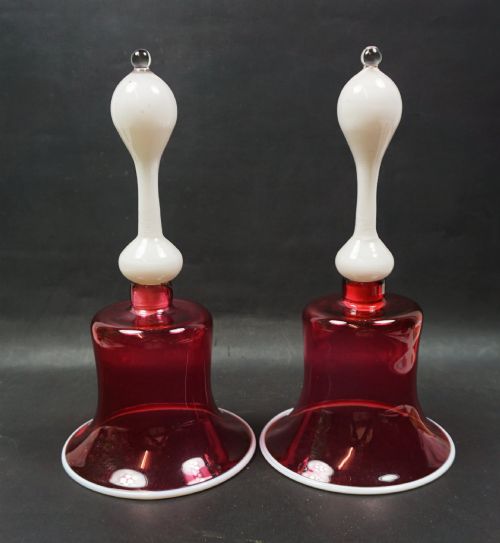
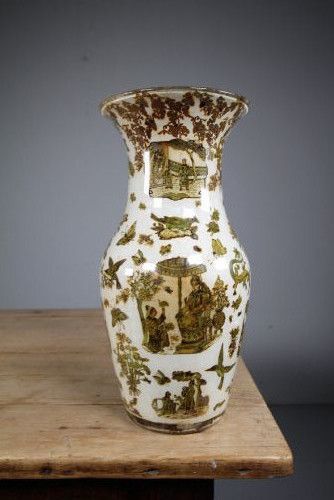
Decorative glassware takes many forms, notably cranberry glass bells, decalcomania vases, and Nailsea pipes. Buyers frequently meet colourful vessels featuring overlay techniques and intaglio engraving.
Evaluating quality and execution
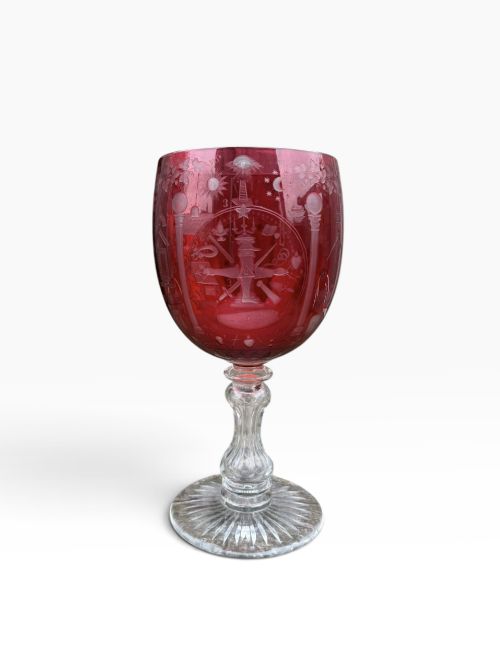
Quality rests in the crispness of the cutting, the depth of the intaglio or acid cameo engraving, and the purity of the metal. Superior pieces display precise facet cuts on stems and balanced proportions in blown forms.
The skill involved in overlay work and applied details such as white glass handles and rims distinguishes standard production from finer examples. Uniformity across sets of wine glasses or champagne coupes also indicates higher workshop standards.
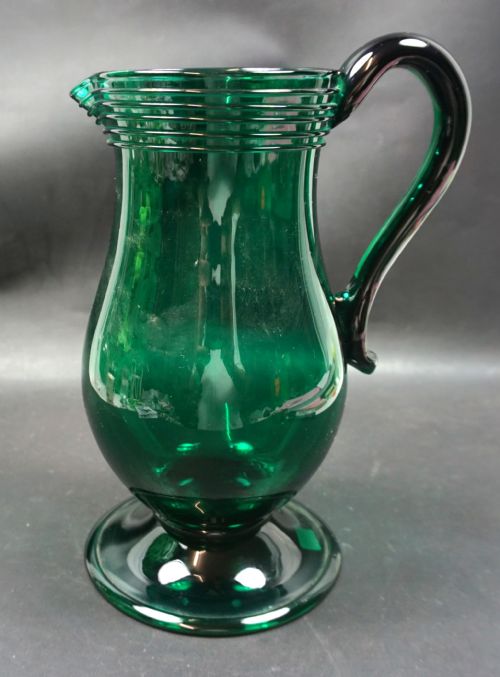
Listings feature lead crystal alongside coloured variations including cranberry, amethyst, and green glass from the nineteenth century.
Stevens & Williams·Stuart for Liberty
The English Victorian Glassware Glossary
- Cranberry glass
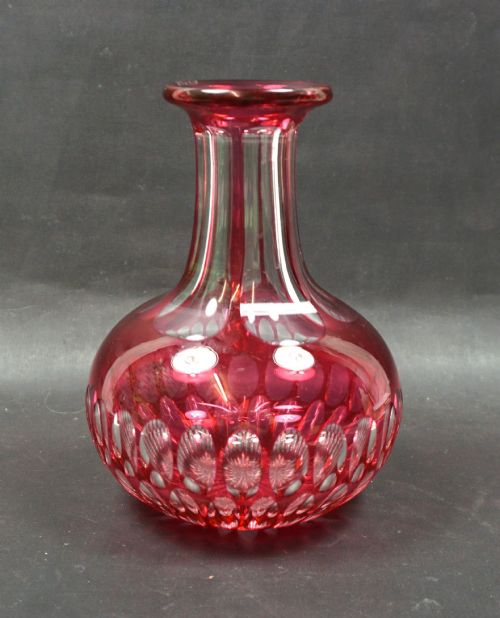
- A transparent pinkish-red glass coloured with gold chloride. It became immensely popular during the nineteenth century for tableware and decorative novelties.
- Intaglio
- A technique where the design is incised beneath the surface of the glass rather than carved in relief. This creates subtle, detailed motifs on goblets and decanters.
- Overlay
- A method of casing one layer of coloured glass over a base layer of clear crystal. Cutting through the top layer exposes the clear crystal beneath.
- Nailsea
- A style of nineteenth-century glass featuring white combed or looped designs trailing through the body. The technique originated in the Somerset glassworks.
English Victorian Glassware: Frequently Asked Questions
What is cranberry glass?
Cranberry glass is a distinctive transparent red or pink material produced by adding gold to the molten batch. It gained widespread popularity in the Victorian era for decorative items and tableware.
Craftsmen shaped this glass into bells, jugs, and vases, often combining it with clear crystal layers or white glass handles to heighten the visual contrast.
Were these pieces used daily?
Many items were made for practical dining and entertaining, including wine glasses, rummers, decanters, and ice plates. Sets served functional roles in nineteenth-century households.
Other objects, such as decorative vases and Nailsea pipes, served primarily ornamental purposes on mantelpieces and sideboards rather than dining tables.
What is lead crystal?
Lead crystal contains a high proportion of lead oxide, which increases the weight, refractive index, and clarity of the glass. This formulation allowed makers to execute deep, sharp cuts.
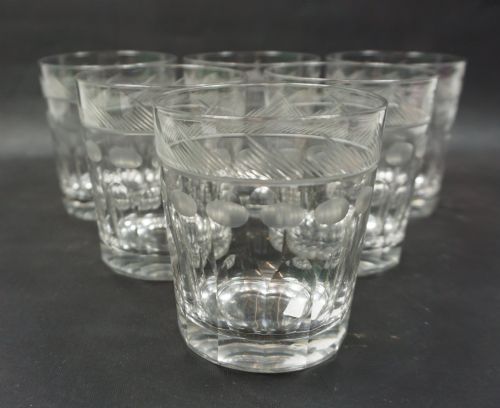
Victorian makers utilised lead crystal for rummers, tumblers, and decanters to achieve a brilliant sparkle and substantial feel in the hand.