


English Upholstered Stool
An English upholstered stool brings useful low seating and timeless craftsmanship to any interior.
English Upholstered Stool
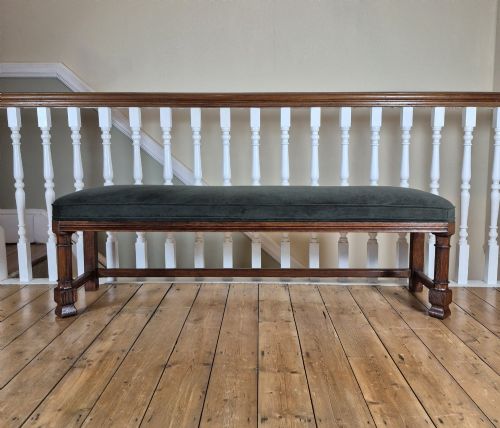
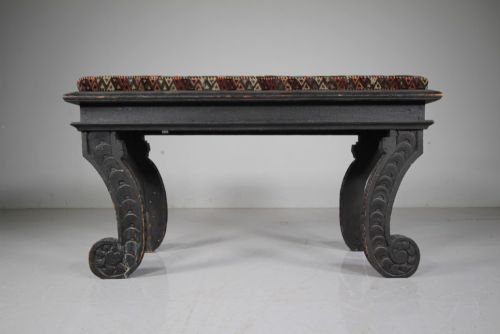
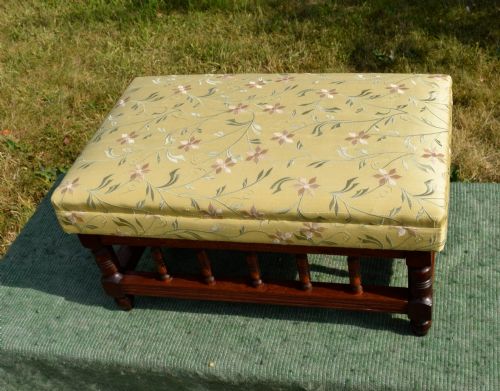
An english upholstered stool serves multiple domestic purposes, ranging from compact fireside rests to long window seats and dressing table companions.
The selections span distinct eras, with Victorian walnut footstools and Edwardian examples appearing frequently alongside earlier Georgian and later Art Deco designs.
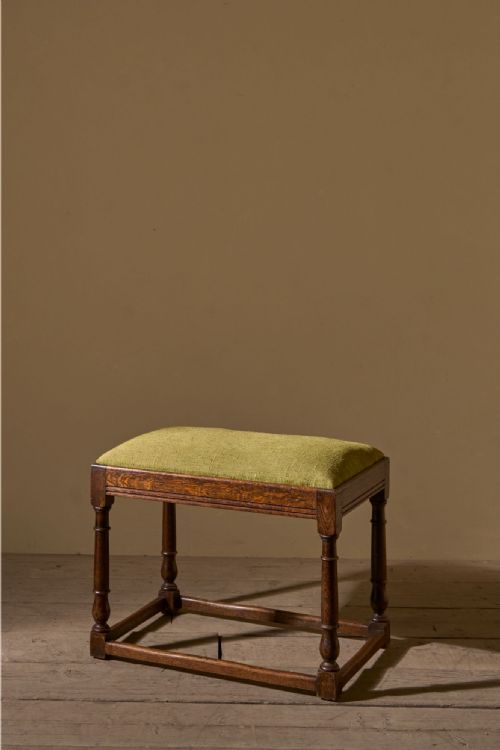
Buyers encounter diverse formats, including piano stools with storage, low footstools on castors, and robust oak joint stools.
Materials and Construction
Frames rely on sturdy timbers such as walnut, mahogany, and oak, occasionally featuring specialised woods like goncalo alves, yew, or sycamore.
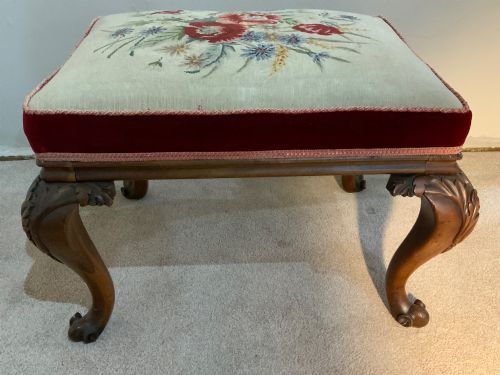
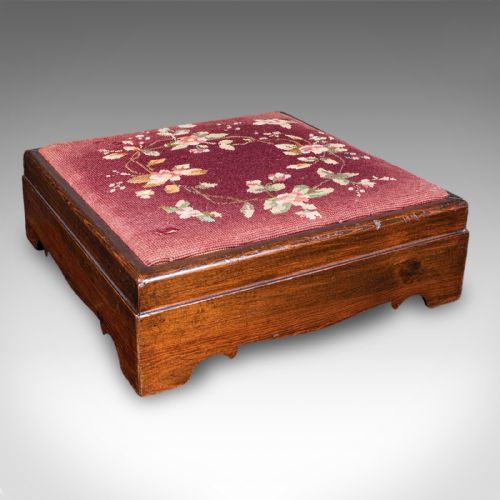
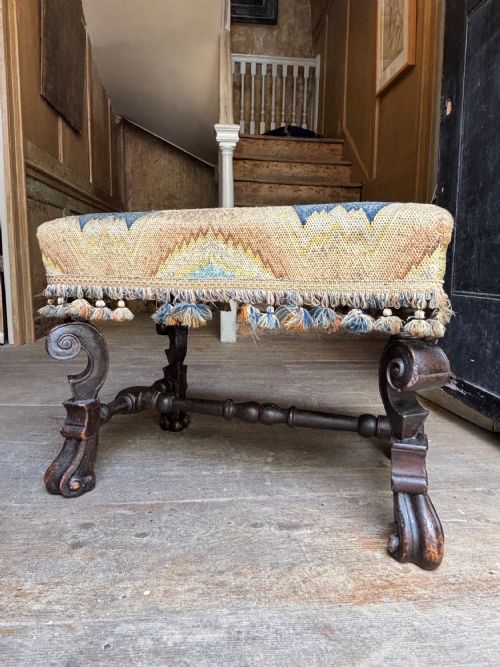
Traditional upholstery techniques incorporate supportive internal padding finished with textiles like wool needlepoint, crewel work, velvet, leather, or linen.
Listings feature walnut and mahogany predominantly among nineteenth century pieces, alongside tactile surfaces in needlepoint and leather.
Evaluating Craftsmanship
Superior examples display precise joinery in the wooden frame, maintaining rigidity without structural looseness in the legs or joints.
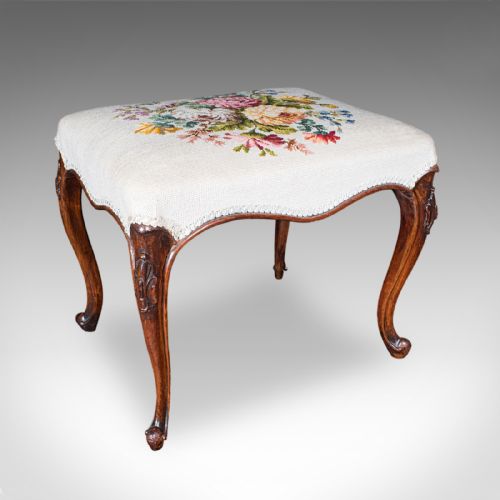
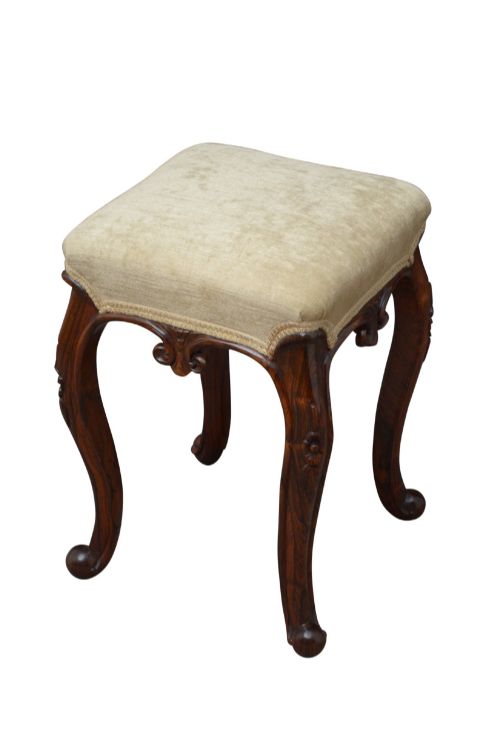
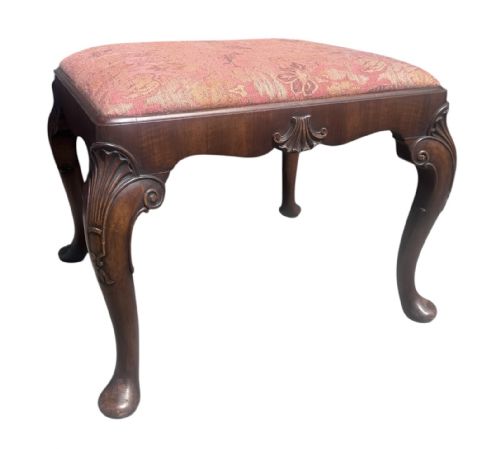
The grade of timber selection and the fidelity of period decorative details, such as carved cabriole legs or brass castors, separate standard pieces from finer works.
Howard and Sons·Harry and Lou Epstein·James Shoolbred·Rushworth and Dreaper
The English Upholstered Stool Glossary
- Cabriole leg
- A furniture leg that curves outward at the knee and tapers inward to an ankle, common on finer seating from the eighteenth and nineteenth centuries.
- Joint stool
- A sturdy wooden stool constructed with mortise and tenon joints rather than turned legs, originating in the seventeenth century.
- Gout stool
- An adjustable or angled footrest designed to elevate the feet for comfort, frequently padded in leather or textile.
- Needlepoint
- Hand-stitched canvas embroidery utilising wool yarn, frequently seen on Victorian and Georgian footstool tops.
- Ottoman box
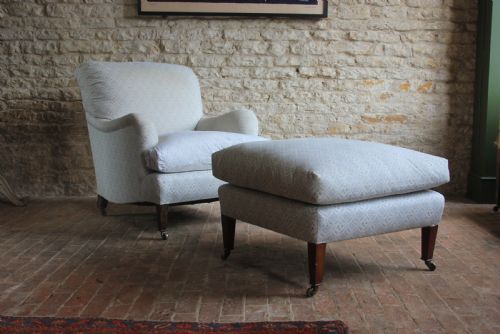
- A large upholstered stool featuring an internal storage compartment beneath a hinged seat.
English Upholstered Stool: Frequently Asked Questions
How do I date an antique stool?
Dating relies on examining the secondary timbers, the style of the legs, and the construction methods used in the frame. Secondary woods and fastener types often provide definitive clues to the decade of manufacture.
Design motifs such as Victorian buttoning, Regency curves, or Art Deco geometry further align the piece with its original period of production.
Were these stools used for music rooms?
Many surviving examples served specifically at the piano, often equipped with rise and fall mechanisms or duet proportions. These pieces provided adjustable height for musicians during long practice sessions.
Storage compartments beneath the seats also held sheet music and songbooks within easy reach.
Are replacement covers acceptable?
Re-upholstery is common on antique seating due to the natural wear of historic textiles over centuries of use. Many pieces feature fresh covers while retaining their original frames and padding structures.
Selecting appropriate period fabrics ensures the stool maintains its visual integrity within a traditional setting.
How do I care for wooden frames?
Maintenance requires keeping wooden frames away from direct heat sources and strong sunlight to prevent timber shrinkage and finish cracking. Occasional application of appropriate wax polish preserves the sheen of walnut and mahogany.
Checking joint stability periodically prevents structural loosening from daily use as low seating.