


English Sterling Tea Caddy
When you handle an english sterling tea caddy, you touch a small masterwork of domestic silver designed to keep leaf tea secure and dry.
English Sterling Tea Caddy
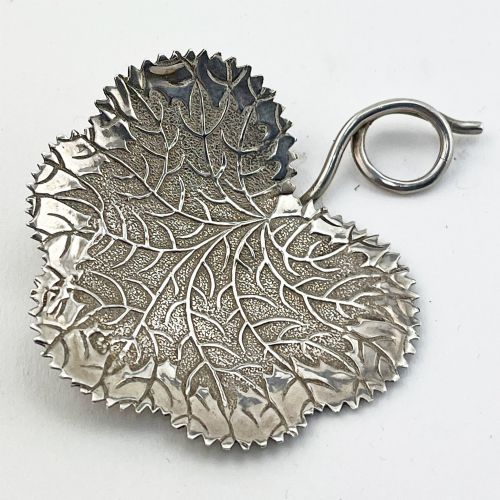
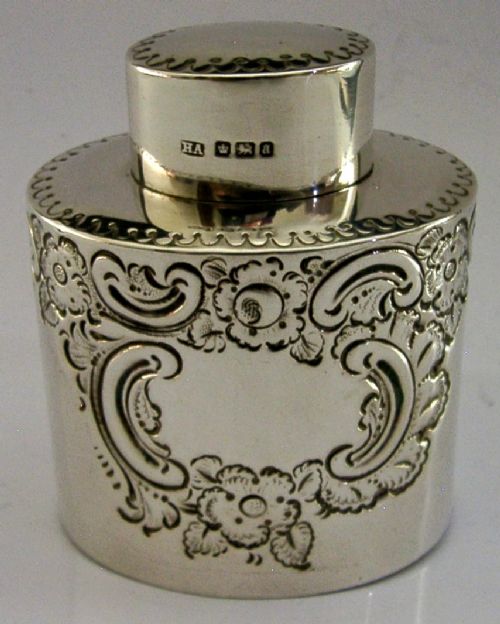
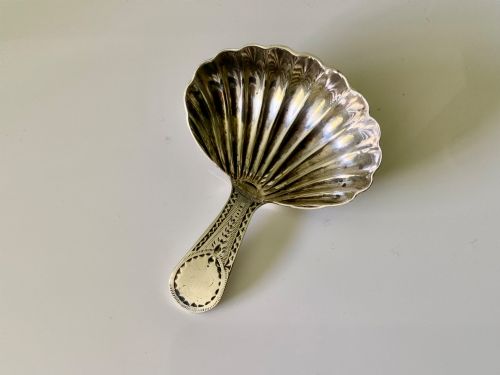
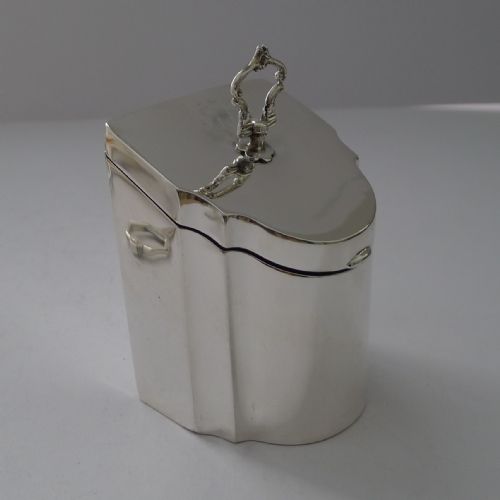
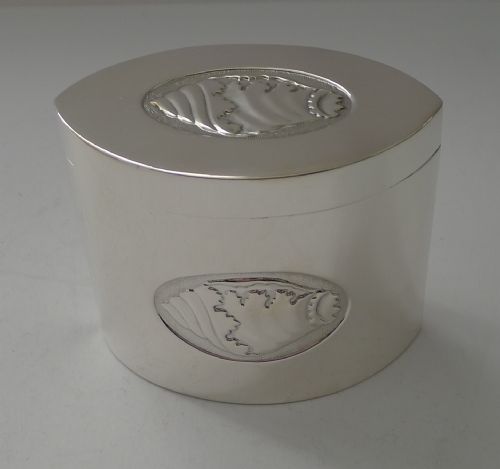
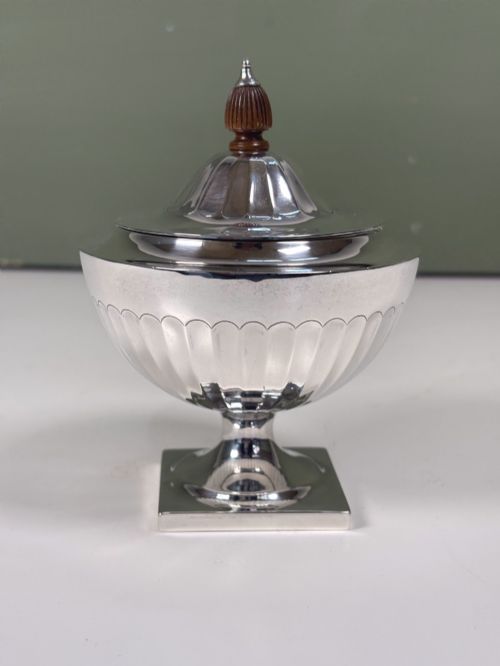
An english sterling tea caddy takes many shapes, from Georgian boxes to Edwardian cylinders and Art Deco canisters, alongside smaller caddy spoons designed to measure the leaf. You will frequently meet Edwardian and Victorian lidded boxes on this page, often stamped with hallmarks from London, Sheffield, or Chester. These vessels originally stood on tea tables or inside larger mahogany tea chests to protect expensive imported leaves from damp and pilfering.
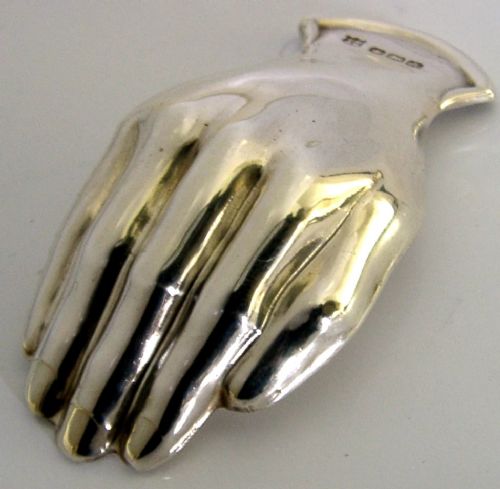
Makers also produced novelty pieces shaped like hands, paint tins, or knife boxes, alongside functional biscuit boxes and infusers. Whether plain, fluted, or embossed with cherubs, each object reflects the changing tastes of Georgian, Regency, Victorian, and later periods without losing its core purpose as a dry container.
Materials and Construction
Silversmiths constructed these pieces primarily from solid sterling silver, occasionally incorporating wood, ebony accents, or mother-of-pearl in associated spoons. Metalsmiths shaped the bodies through hammering, spinning, or casting, then applied chased, engraved, or plain polished finishes.
Integral lids, tight-fitting caps, and hinged doors required precise joining to maintain an airtight seal for the tea leaves. Assay office punches stamped directly into the silver guaranteed the metal standard and recorded the year of production.
Silversmiths occasionally shaped silver tea caddies to resemble miniature paint tins or human hands.
Judging Quality
The distinction between ordinary and exceptional examples rests on gauge of metal, crispness of ornament, and structural integrity. Heavy gauge silver provides a reassuring weight in the hand and resists denting, whereas thin walls bend easily under daily use.
Maker marks from prominent silversmiths elevate an item's standing, as do well-preserved hallmarks and tight hinges that shut firmly without lateral play. Hand-chased detailing executed with deep relief and sharp lines separates workshop masterpieces from routine commercial production.
Mappin and Webb·Ernest Druiff and Co·Goldsmiths and Silversmiths Co·Asprey and Co·Atkin Brothers·Walker and Hall
The English Sterling Tea Caddy Glossary
- Hallmark
- A series of official marks stamped on precious metals indicating the maker, assay office, standard of purity, and year of production.
- Caddy spoon
- A short-handled spoon specifically proportioned to scoop tea leaves from a caddy into a teapot.
- Sterling silver
- An alloy of silver containing ninety-two point five percent pure silver and seven point five percent other metals, usually copper.
- Assay office
- An official body that tested precious metals and stamped items to verify their metallic standard.
- Double struck
- A spoon or silver piece struck twice in the die to produce a sharper, deeper pattern on the metal surface.
English Sterling Tea Caddy: Frequently Asked Questions
What is an english sterling tea caddy?
It is a small silver container made to hold loose leaf tea securely on the dining table or sideboard.
These pieces range from plain Georgian boxes to ornate Edwardian cylinders and novelty shapes.
How were caddy spoons used?
They were designed to measure exact quantities of dry tea leaves from the caddy into the teapot.
Their shallow bowls and short handles allowed them to sit neatly inside or beside the storage vessel.
How do I date a silver caddy?
You read the date letter and assay office marks stamped into the metal alongside the lion passant.
Matching these punch marks against official hallmarking tables reveals the exact year and town of testing.
Can I use an antique caddy for tea today?
Yes, provided the interior is clean and the lid fits snugly enough to keep modern leaf tea dry.
Many collectors continue to use them for their original purpose alongside modern tea ware.